
Anúncios
Modern Training Methods That Transform Your Pet’s Behavior
Start Training Today
Training pets doesn’t have to feel like a chore anymore. Gone are the days when strict commands and rigid routines were the only options for teaching our furry friends how to behave. Today’s approach to pet education is lighter, more compassionate, and surprisingly more effective than traditional methods that focused primarily on obedience through discipline.
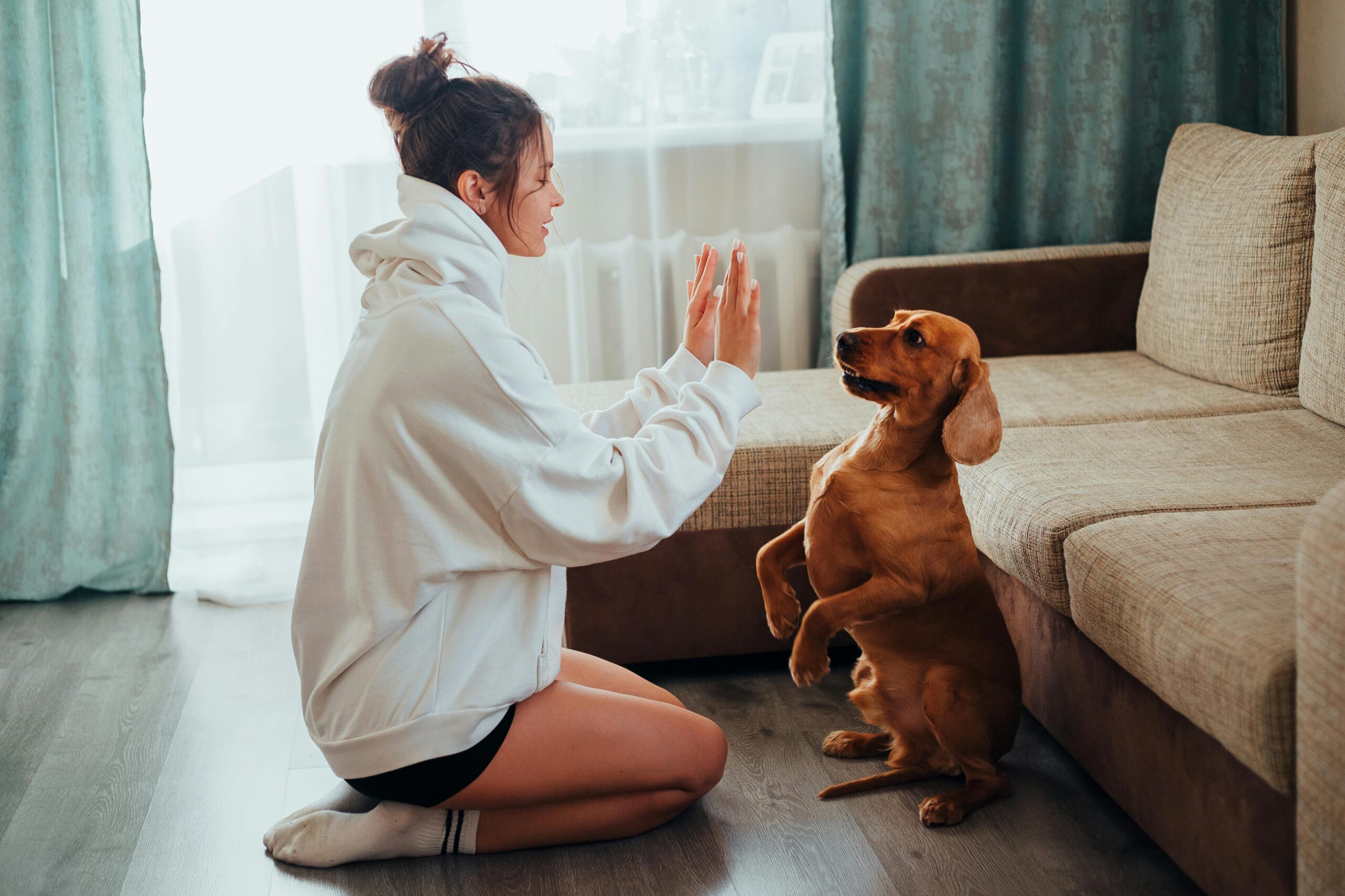
The modern pet parent understands that building a relationship based on trust, communication, and mutual understanding creates happier pets and stronger bonds. This shift in perspective has opened doors to creative, engaging, and fun training methods that fit seamlessly into daily life—no boot camps or intensive sessions required. 🐾
Understanding Your Pet’s Learning Style
Just like humans, every pet has a unique personality and preferred way of learning. Some dogs thrive on food rewards, while others are motivated by playtime or verbal praise. Cats might respond better to clicker training paired with treats, while birds enjoy interactive games that challenge their intelligence.
Observing your pet’s natural behaviors and preferences is the first step in creating an educational approach that resonates with them. Does your dog get excited when you pick up a toy? That’s your cue to incorporate play into training. Does your cat perk up at the sound of a treat bag? Food-based positive reinforcement might be your best tool.
Recognizing Individual Temperaments
Shy pets need gentle encouragement and patience, while confident animals might enjoy more challenging tasks. Energetic pets benefit from training sessions that include physical activity, whereas calm pets might prefer mental stimulation through puzzle games and problem-solving exercises.
The beauty of modern pet training is its flexibility. There’s no one-size-fits-all solution, and that’s perfectly okay. Customizing your approach based on your pet’s personality creates a more enjoyable experience for both of you.
Incorporating Training Into Daily Routines
The most effective training happens naturally throughout the day rather than during isolated sessions. When you integrate learning opportunities into regular activities, your pet develops skills without the stress of formal training periods.
Morning walks become chances to practice loose-leash walking and greeting other dogs politely. Mealtime transforms into an opportunity for impulse control exercises. Even playtime can reinforce recall commands and boundary respect. ✨
Making Everyday Moments Educational
Instead of setting aside specific training times that feel like work, sprinkle mini-lessons throughout your day. Ask for a sit before opening the door, practice a down-stay while you prepare dinner, or work on “leave it” during your evening walk when you pass something tempting.
These micro-training sessions last only seconds but accumulate into significant learning over time. Your pet barely notices they’re being trained because the exercises blend seamlessly with activities they already enjoy.
The Power of Positive Reinforcement
Positive reinforcement has revolutionized how we approach pet education. This method focuses on rewarding desired behaviors rather than punishing unwanted ones, creating a learning environment based on enthusiasm rather than fear.
When your pet associates good behavior with pleasant outcomes—whether treats, praise, toys, or affection—they naturally want to repeat those behaviors. This creates a positive feedback loop that accelerates learning while strengthening your bond.
Beyond Treats: Diverse Reward Systems
While food rewards are popular and effective, diversifying your reinforcement toolkit prevents your pet from becoming overly food-dependent. Consider these alternatives:
- Verbal praise delivered with genuine enthusiasm and a happy tone
- Physical affection like petting, scratching favorite spots, or gentle massage
- Play sessions with beloved toys or games
- Access to desired activities like going outside or exploring new areas
- Social rewards such as greeting other pets or people they like
Rotating between different types of rewards keeps training interesting and prevents your pet from becoming desensitized to any single motivator. This variety also helps in situations where certain rewards aren’t available.
Games That Teach Important Skills
Learning through play is perhaps the most enjoyable training method for both pets and their humans. Games naturally engage your pet’s mind and body while teaching valuable skills disguised as fun activities. 🎮
Hide-and-seek improves recall and strengthens your bond. Puzzle toys develop problem-solving abilities and patience. Fetch teaches impulse control and drop-it commands. Tug-of-war can reinforce “take it” and “leave it” cues when played with rules.
Brain Games for Mental Stimulation
Mental exhaustion is just as valuable as physical exercise for many pets. Scent work games where you hide treats around the house tap into natural hunting instincts while teaching focus. Shell games with cups hiding treats develop concentration and decision-making skills.
Interactive toys that dispense treats when manipulated correctly teach persistence and problem-solving. Training your pet to identify different toys by name creates impressive cognitive development while providing entertainment.
Using Technology to Enhance Training
Modern pet parents have access to incredible technological tools that make training more accessible and effective than ever before. Mobile apps provide step-by-step guidance, training reminders, and progress tracking that helps you stay consistent.
Video tutorials allow you to see proper technique demonstrated before attempting new exercises with your pet. Some apps even use your phone’s camera to analyze your pet’s behavior and provide personalized recommendations.
Digital Resources for Continuous Learning
Online communities connect you with trainers and other pet parents facing similar challenges. This support network offers encouragement, troubleshooting advice, and inspiration when you encounter obstacles.
Virtual training sessions with professional behaviorists have made expert guidance affordable and convenient, eliminating geographical barriers that previously limited access to specialized help.
Socialization as Ongoing Education
Exposing your pet to diverse experiences, environments, people, and animals throughout their life is a form of continuous education that builds confidence and adaptability. Socialization isn’t just for puppies and kittens—it benefits adult and senior pets too. 🌟
Regular exposure to new situations in a controlled, positive manner teaches your pet that the world is generally safe and interesting rather than threatening. This reduces anxiety, prevents fear-based behaviors, and creates a well-adjusted companion.
Safe Socialization Strategies
Start with low-stress environments and gradually increase complexity. A quiet park visit might precede exposure to busier areas. Meeting one calm, friendly dog prepares your pet for larger group interactions later.
Always monitor your pet’s body language and respect their comfort levels. Forcing interactions creates negative associations, while allowing them to approach new experiences at their own pace builds positive ones.
Communication Beyond Commands
Training isn’t just about teaching your pet to follow instructions—it’s about developing a two-way communication system where you understand each other’s signals and needs.
Learning to read your pet’s body language helps you recognize stress, excitement, fear, or contentment before situations escalate. A wagging tail doesn’t always mean happiness; understanding the nuances of tail position, ear placement, and overall posture creates deeper understanding.
Teaching Your Pet to “Talk” to You
Some forward-thinking trainers teach pets to use communication buttons that play recorded words when pressed, allowing dogs and cats to “tell” their humans when they want to go outside, play, or eat. While controversial in scientific circles, many pet parents report these tools enhance understanding.
Even without fancy technology, you can establish simple communication systems. Teaching your dog to ring a bell when they need to go out, or training your cat to sit by their food bowl rather than meow excessively, creates clear communication that reduces frustration on both sides.
Addressing Unwanted Behaviors Gently
Modern training approaches view problematic behaviors as communication rather than defiance. When your pet acts out, they’re often expressing an unmet need, boredom, anxiety, or confusion rather than deliberately misbehaving.
Instead of punishment, effective training redirects unwanted behaviors toward acceptable alternatives. A dog who chews furniture might need appropriate chew toys and more mental stimulation. A cat who scratches the sofa needs attractive scratching posts and positive reinforcement for using them. 💡
The Replacement Behavior Approach
This gentle method involves identifying what need the unwanted behavior fulfills, then teaching an acceptable behavior that meets the same need. A dog who jumps on guests seeking attention can be taught to sit for greetings instead—they still get attention, just through a politer behavior.
This approach is more effective than simply trying to suppress unwanted actions because it addresses the underlying motivation rather than just the symptom.
Consistency Without Rigidity
While consistency in expectations and consequences is important for effective learning, modern training recognizes that flexibility is equally valuable. Life happens—sometimes you’re tired, sometimes circumstances change, and that’s okay.
The key is maintaining consistent core rules while allowing flexibility in how and when training occurs. Your pet should always understand that jumping on people isn’t allowed, but whether you practice polite greetings daily or three times weekly can vary based on your schedule.
Family-Wide Agreement
Consistency becomes easier when everyone in the household uses the same cues and enforces the same rules. A family meeting to establish which behaviors are allowed, what commands you’ll use, and who’s responsible for different training aspects creates unified messaging for your pet.
Written guidelines posted somewhere visible help everyone remember the plan, especially when implementing new rules or working on specific behaviors.
Age-Appropriate Training Adjustments
Puppies and kittens need different approaches than adult or senior pets. Young animals have shorter attention spans but absorb information quickly. Training sessions should be brief—just five to ten minutes—but can occur multiple times daily.
Senior pets might move slower and have physical limitations, but their minds often remain sharp. Adapting exercises to accommodate arthritis or reduced mobility while continuing mental challenges keeps older pets engaged and happy. 🐕
Lifelong Learning Benefits
Continuing to teach new tricks and skills throughout your pet’s life provides cognitive stimulation that may slow age-related mental decline. The process of learning itself—not just what’s learned—benefits brain health.
Even simple new behaviors like learning to target your hand with their nose or weaving between your legs provides valuable mental exercise for senior pets.
Creating a Supportive Training Environment
Your home environment significantly impacts training success. Minimizing distractions during learning sessions helps your pet focus. As they master skills, gradually adding distractions teaches them to perform behaviors reliably regardless of what’s happening around them.
Designated training areas can help your pet recognize when it’s time to focus, though practicing in various locations ensures skills generalize to different contexts.
Managing the Learning Space
Start training in quiet, familiar areas with minimal distractions. As your pet progresses, practice in increasingly challenging environments—first the backyard, then a quiet street, eventually busier locations.
This gradual exposure builds confidence and reliability rather than overwhelming your pet by expecting perfect performance in chaotic environments before they’re ready.
Celebrating Small Victories
Progress in pet training isn’t always linear. Some days bring breakthroughs; others feel like setbacks. Celebrating small improvements maintains motivation and recognizes that learning is a journey rather than a destination.
Did your dog hold a sit-stay for three seconds when yesterday they could only manage one? That’s progress worth celebrating! Did your cat use the scratching post once today? Success! These small wins accumulate into significant behavioral changes over time. 🎉
Tracking Progress Meaningfully
Keeping a simple training journal or using an app to note achievements helps you recognize progress that might otherwise go unnoticed. When you feel frustrated, looking back at where you started often reveals how far you’ve actually come.
Photos and videos serve as wonderful progress markers too, especially for physical skills like agility exercises or trick training.
When to Seek Professional Help
While many training challenges can be addressed with patience and consistent application of positive methods, some situations benefit from professional expertise. Aggression, severe anxiety, or behaviors that pose safety risks warrant consultation with a certified professional trainer or veterinary behaviorist.
There’s no shame in seeking help—in fact, recognizing when you need support demonstrates responsible pet parenting. Professional trainers bring experience, objective perspectives, and specialized knowledge that can resolve issues more quickly and effectively than trial-and-error approaches.
Building Lasting Bonds Through Education
The most beautiful aspect of modern, positive training methods is how they strengthen the relationship between pets and their humans. When education is based on trust, communication, and mutual respect rather than dominance and control, both parties enjoy the process.
Your pet learns to see you as a source of guidance and good things rather than someone to fear or avoid. You develop deeper understanding of their unique personality, needs, and capabilities. This foundation creates a partnership that enriches both your lives immeasurably.
Training your pet with kindness, creativity, and consistency transforms daily interactions into opportunities for connection and growth. Whether you’re teaching basic manners or advanced tricks, the journey itself becomes a joyful experience that enhances your life together. The goal isn’t perfection—it’s communication, understanding, and a relationship built on love and respect. 💕
