
Anúncios
Transforming your pet’s behavior doesn’t have to be overwhelming. With the right strategies and consistent effort, you can create a harmonious relationship with your furry companion.


Every pet owner has experienced moments of frustration when their beloved companion displays unwanted behaviors. Whether it’s excessive barking, furniture destruction, or difficulty with basic commands, these challenges can strain the bond between you and your pet. The good news is that behavioral issues are rarely permanent, and most can be addressed through practical, compassionate approaches.
Understanding that behavior modification takes time and patience is the first step toward success. Your pet isn’t being difficult on purpose—they’re simply responding to their environment, instincts, and past experiences. By implementing proven techniques and maintaining consistency, you’ll see remarkable improvements that strengthen your relationship and create a peaceful home environment. 🐾
Understanding the Root Causes of Behavioral Issues

Before jumping into solutions, it’s essential to identify what’s driving your pet’s behavior. Many problematic actions stem from underlying needs that aren’t being met. Dogs and cats communicate through behavior, and what appears as misbehavior is often their way of expressing discomfort, boredom, or anxiety.
Common triggers include insufficient physical exercise, lack of mental stimulation, separation anxiety, fear-based responses, or even medical conditions. A dog that destroys furniture might be suffering from anxiety rather than spite. A cat scratching walls could be marking territory due to stress from environmental changes. Taking time to observe patterns in your pet’s behavior helps you address the real issue rather than just the symptoms.
Consulting with a veterinarian should be your first step when behavior changes suddenly. Health problems like thyroid imbalances, pain, or neurological issues can manifest as behavioral changes. Once medical causes are ruled out, you can confidently move forward with behavioral modification techniques.
Establishing a Consistent Daily Routine
Pets thrive on predictability. Establishing a structured daily routine provides security and reduces anxiety-driven behaviors. When your pet knows what to expect and when, they’re less likely to develop problematic coping mechanisms.
Create a schedule that includes specific times for feeding, walks, play sessions, training, and rest. Dogs especially benefit from knowing when their next walk will happen, which can reduce anxious behaviors like pacing or whining. Cats appreciate regular feeding times and designated play periods that satisfy their hunting instincts.
Consistency extends beyond timing—it applies to rules and boundaries too. If your pet isn’t allowed on the couch, this rule should apply always, not just when it’s convenient. Mixed messages confuse pets and slow behavioral progress. Everyone in your household should enforce the same rules using the same commands and expectations.
The Power of Positive Reinforcement Training
Positive reinforcement remains the most effective and humane training method available. This approach rewards desired behaviors, making them more likely to be repeated, while ignoring or redirecting unwanted actions. Unlike punishment-based methods, positive reinforcement builds trust and strengthens your bond.
Start by identifying what motivates your pet most—treats, toys, praise, or play. Use these rewards immediately when your pet displays good behavior, creating a clear connection between the action and the reward. Timing is crucial; rewards given even a few seconds late may reinforce the wrong behavior.
Break complex behaviors into smaller, achievable steps. Teaching a dog to stay begins with rewarding them for sitting, then for remaining seated for one second, then two seconds, gradually increasing duration. This incremental approach prevents frustration and creates numerous opportunities for success and positive reinforcement. ✨
Clicker Training as a Precision Tool
Clicker training offers exceptional precision in marking exact moments of desired behavior. The distinct click sound communicates to your pet the precise action that earned a reward, even if the treat delivery takes a moment. This clarity accelerates learning and reduces confusion.
Begin by “charging” the clicker—clicking and immediately offering a treat repeatedly until your pet associates the sound with rewards. Then use the clicker to mark desired behaviors the instant they occur. The click essentially says “that exact thing you just did is what I want,” followed by the reward.
Meeting Physical Exercise Requirements
Insufficient physical activity ranks among the top contributors to behavioral problems. A tired pet is generally a well-behaved pet. Dogs bred for working roles—herding, hunting, or guarding—require substantial daily exercise to prevent destructive behaviors born from pent-up energy.
Tailor exercise to your pet’s breed, age, and health status. High-energy breeds like Border Collies or Belgian Malinois may need two hours or more of vigorous activity daily, while brachycephalic breeds like Bulldogs require gentler, shorter sessions. Senior pets still need movement but at appropriate intensity levels.
Variety enhances exercise effectiveness. Mix walking with running, swimming, fetch, agility courses, or hiking. Different activities engage different muscle groups and provide novel sensory experiences that tire both body and mind. Even cats benefit from interactive play sessions that mimic hunting sequences—stalking, chasing, pouncing, and “capturing” toys.
Providing Essential Mental Stimulation
Mental exhaustion can be as effective as physical tiredness for managing behavior. Intelligent pets require cognitive challenges to prevent boredom-related destructive behaviors. A mentally stimulated pet is less likely to create their own “entertainment” through unwanted activities.
Puzzle feeders transform mealtime into an engaging challenge that extends eating duration and provides problem-solving opportunities. These range from simple wobbler toys that dispense kibble to complex multi-step puzzles requiring sequential actions. Start with easier puzzles and gradually increase difficulty as your pet masters each level.
Training sessions themselves provide excellent mental stimulation. Teaching new tricks, practicing obedience commands, or working on scent detection games all engage your pet’s brain. Even five to ten minutes of focused training can mentally tire a pet significantly, contributing to calmer behavior throughout the day. 🧠
Enrichment Activities for Indoor Pets
Indoor pets especially need environmental enrichment to compensate for limited natural stimulation. Create vertical spaces for cats with shelves, cat trees, or wall-mounted perches that allow them to survey their territory from various heights. Window perches with bird feeders outside provide hours of “cat TV” entertainment.
Rotate toys regularly to maintain novelty. Instead of leaving all toys available constantly, keep some stored and rotate them weekly. This simple strategy makes “old” toys feel new again, maintaining interest without constant purchases.
Hide-and-seek games with treats or favorite toys encourage natural foraging behaviors. Scatter feeding—spreading kibble across a room or yard rather than serving in a bowl—transforms eating into an engaging activity that satisfies searching instincts and slows consumption.
Addressing Separation Anxiety Effectively
Separation anxiety manifests through destructive behavior, excessive vocalization, elimination indoors, or self-harm when left alone. This condition causes genuine distress and requires compassionate, gradual intervention rather than punishment.
Desensitization training helps pets become comfortable with alone time. Start with very brief separations—literally seconds—while remaining calm and unemotional during departures and arrivals. Gradually extend duration as your pet remains relaxed. Dramatic departures and arrivals increase anxiety, so keep these transitions low-key.
Create positive associations with your departure cues. If your pet becomes anxious when you pick up keys, practice picking them up frequently without leaving. Give special treats or toys that appear only when you leave and disappear upon return, making your absence predict something wonderful.
Consider calming aids like adaptil diffusers for dogs or feliway for cats, which release synthetic pheromones that promote relaxation. Background noise from radio or television can reduce silence that heightens isolation feelings. For severe cases, consult a veterinary behaviorist who may recommend anti-anxiety medication alongside behavior modification.
Socialization for Confident, Well-Adjusted Pets
Proper socialization during critical developmental periods prevents many fear-based behavioral issues. While puppies and kittens have optimal socialization windows (roughly 3-14 weeks for puppies, 2-7 weeks for kittens), adult pets can still benefit from careful, positive exposure to new experiences.
Introduce your pet to diverse people, animals, environments, sounds, and surfaces in controlled, positive contexts. Each new experience should be associated with rewards and reassurance, never forced or overwhelming. A puppy meeting friendly, vaccinated dogs in controlled settings learns that other dogs are friends, not threats.
Watch for stress signals—yawning, lip licking, whale eye (showing whites), tucked tail, or attempts to retreat. These indicate your pet needs more space or slower progression. Pushing past stress thresholds can create fear rather than confidence, counteracting socialization goals. Take breaks and end sessions on positive notes. 🤝
Controlled Exposure to Fear Triggers
For pets with existing fears, systematic desensitization paired with counter-conditioning can reduce reactivity. This involves exposing your pet to fear triggers at intensity levels low enough not to provoke fear responses, while simultaneously creating positive associations.
If your dog fears thunderstorms, play quiet recordings of storm sounds while engaging in enjoyable activities like feeding favorite treats or playing with beloved toys. Gradually increase volume over weeks or months as your pet remains comfortable. The goal is changing the emotional response from fear to neutrality or positivity.
Redirecting Unwanted Behaviors Constructively
Rather than simply saying “no” to unwanted behaviors, teach acceptable alternatives. Redirection acknowledges your pet’s needs while channeling them appropriately. A puppy chewing furniture needs to chew—redirect them to appropriate chew toys rather than expecting them to suppress the natural urge entirely.
When you catch your pet engaging in unwanted behavior, calmly interrupt and redirect to the desired action, then reward the appropriate behavior generously. If your dog jumps on guests, teach them that sitting earns attention while jumping results in ignored turned backs. The sitting becomes the rewarded alternative to jumping.
Provide appropriate outlets for natural behaviors. Cats need to scratch—rather than punishing scratching, provide attractive scratching posts and reward their use. Dogs need to sniff and explore—instead of constantly pulling them along on walks, incorporate “sniff breaks” where they can investigate to their heart’s content within reasonable boundaries.
Managing Environmental Triggers
Sometimes the simplest solution involves modifying your pet’s environment to prevent problem behaviors. Management isn’t training, but it prevents rehearsal of unwanted behaviors while you work on training solutions.
If your dog raids the trash, use a secure lid or store trash where they can’t access it. If your cat scratches a particular furniture piece, cover it temporarily with unappealing textures like aluminum foil or double-sided tape while making scratching posts more attractive with catnip.
Baby gates, crates, and closed doors create boundaries that prevent access to trouble areas. These management tools aren’t punishment—when introduced properly, crates become comfortable dens, and boundaries simply prevent opportunities for mistakes during the learning process.
The Importance of Patience and Realistic Expectations
Behavioral change doesn’t happen overnight. Depending on the behavior’s severity and how long it’s been established, modification may take weeks or months. Patience prevents frustration that can undermine your efforts and damage your relationship with your pet.
Set realistic, measurable goals rather than expecting perfection immediately. If your dog barks at passersby for five minutes currently, reducing that to three minutes represents significant progress worth celebrating. Small improvements accumulate into major transformations over time.
Regression is normal and doesn’t mean failure. Stress, environmental changes, or simply forgetting can cause temporary backsliding. When this happens, return to basics without frustration, reinforcing foundational behaviors before progressing again. Consistency through setbacks determines long-term success. 💪
When to Seek Professional Help
Some behavioral issues require professional expertise beyond what books or articles can provide. Aggression toward people or animals, severe separation anxiety, compulsive behaviors, or issues that haven’t improved despite consistent effort warrant professional assessment.
Certified professional dog trainers (CPDT), veterinary behaviorists, or applied animal behaviorists bring specialized knowledge and experience. They can identify subtle factors you might miss and create customized behavior modification plans for your specific situation.
Choose professionals who use force-free, science-based methods aligned with positive reinforcement principles. Avoid trainers who rely heavily on punishment, dominance theory, or aversive tools like shock collars, which can worsen behavioral issues and damage the human-animal bond.
Building a Stronger Bond Through Training
Behavior modification isn’t just about stopping unwanted actions—it’s an opportunity to deepen your connection with your pet. Training sessions become quality time that builds trust, communication, and mutual understanding.
Approach training as a collaborative activity rather than a battle of wills. Your pet wants to succeed and please you; they simply need clear communication about expectations. When you celebrate their successes and support them through challenges, you create a partnership based on trust rather than fear or coercion.
The effort you invest in improving your pet’s behavior pays dividends in a more harmonious household, reduced stress for both of you, and a relationship characterized by mutual respect and affection. Every training session, every redirected behavior, and every moment of patience contributes to the well-behaved, happy companion you both deserve to be.
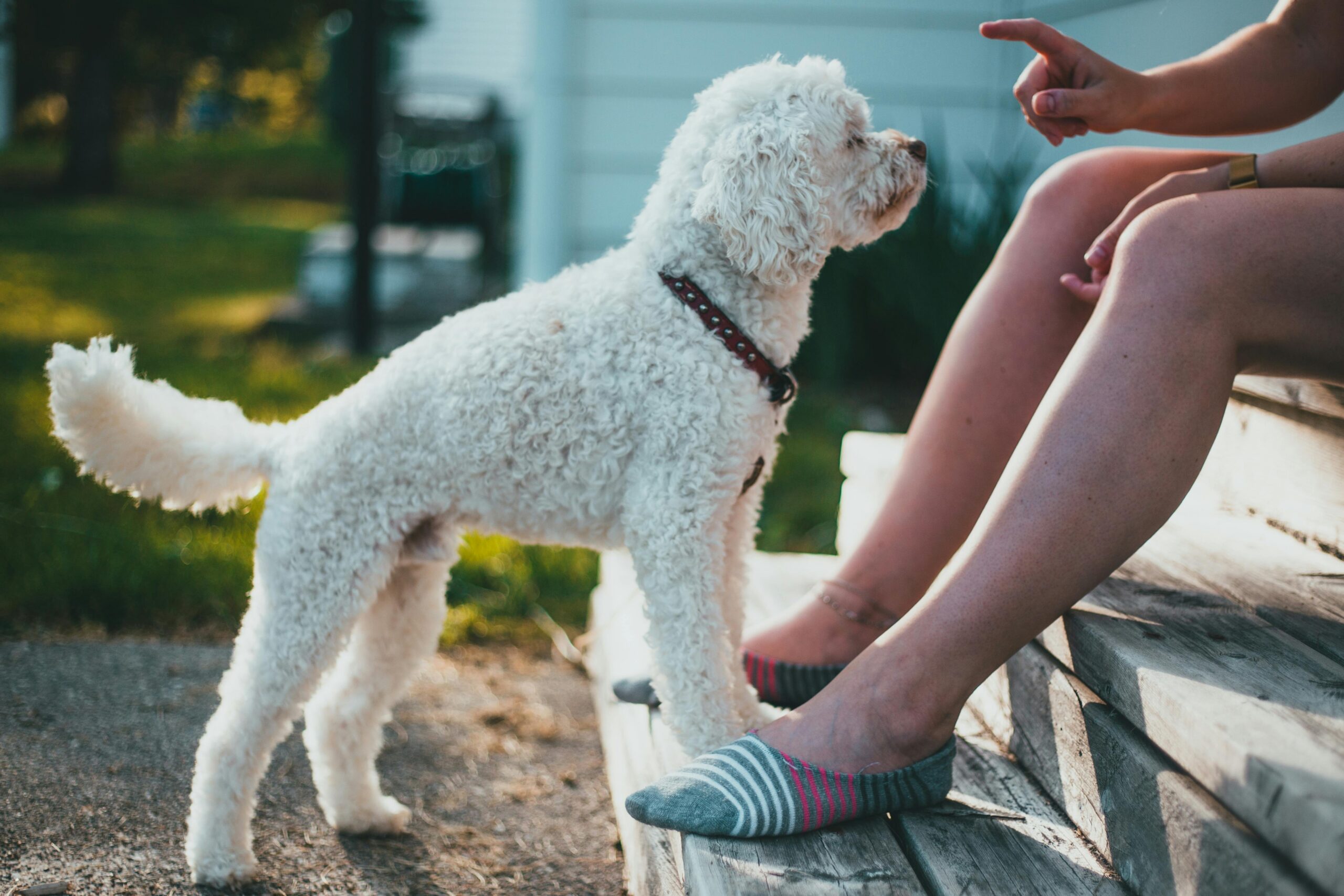
Creating Lasting Behavioral Change
Sustainable behavior improvement requires integrating these strategies into your daily lifestyle rather than treating them as temporary fixes. The habits you establish now—consistent routines, regular exercise, mental stimulation, and positive reinforcement—should become permanent parts of your pet care approach.
As your pet matures and circumstances change, their needs will evolve. A young, energetic dog will eventually become a senior with different exercise requirements. Remaining attentive and adapting your approach maintains good behavior throughout your pet’s life stages.
Remember that the goal isn’t creating a robot that never makes mistakes, but rather a well-adjusted companion whose natural behaviors are appropriately channeled. Your pet’s personality should shine through training, not be suppressed by it. The most successful behavior modification preserves what makes your pet uniquely themselves while teaching them to navigate the human world successfully.
With commitment, compassion, and the practical strategies outlined here, you have everything needed to transform challenging behaviors into opportunities for growth. Your journey toward a better-behaved pet strengthens the incredible bond you share, creating years of joy, companionship, and mutual understanding. 🐕❤️
