Anúncios
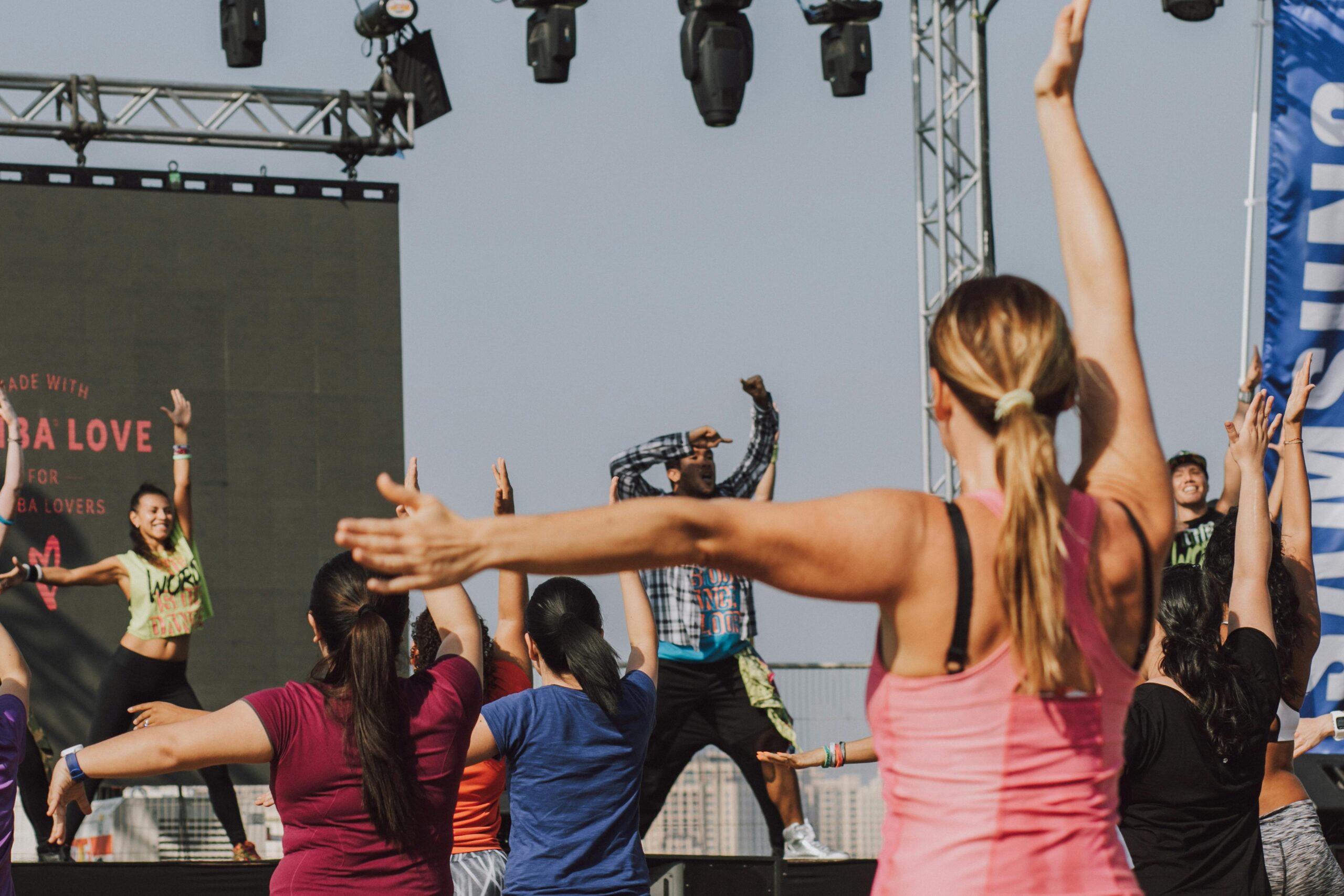
Zumba is more than just a workout—it’s a celebration of movement, music, and health that transforms exercise into an exhilarating experience you can enjoy anywhere, anytime.
Whether you’re dancing solo in your living room or joining friends for a vibrant session, Zumba offers a unique blend of fitness and fun that keeps you motivated and energized. This Latin-inspired dance workout has captured hearts worldwide, making millions smile while they sweat.
The beauty of Zumba lies in its accessibility and versatility. You don’t need expensive equipment, a gym membership, or even prior dance experience. All you need is enthusiasm, some space to move, and the willingness to let the rhythm guide your body toward better health. 💃
🎵 What Makes Zumba Different from Traditional Workouts
Unlike monotonous treadmill sessions or repetitive weight training, Zumba disguises exercise as a party. The program combines high-energy music with easy-to-follow choreography inspired by salsa, merengue, cumbia, reggaeton, and other Latin dance styles.
Each session feels less like work and more like celebration. Your brain focuses on following the instructor’s moves and matching the beat, distracting you from the physical effort your body exerts. Before you realize it, you’ve completed an intense cardiovascular workout without watching the clock.
This psychological advantage keeps participants coming back. Traditional exercise often requires willpower and discipline, but Zumba creates genuine anticipation. People actually look forward to their next class, which dramatically improves consistency—the most critical factor in achieving fitness goals.
🏠 Bringing the Zumba Experience Home
Home workouts have revolutionized fitness accessibility, and Zumba adapts perfectly to this format. You don’t need a large studio or professional sound system. A small cleared area in your living room, bedroom, or even backyard provides adequate space.
Modern technology makes home Zumba sessions incredibly convenient. Streaming platforms, dedicated apps, and online classes connect you with certified instructors worldwide. You can choose session lengths, difficulty levels, and music styles that match your preferences and schedule.
The privacy of home practice removes self-consciousness that sometimes inhibits newcomers. You can learn moves at your own pace, repeat challenging sections, and gradually build confidence before joining group classes if desired.


Creating Your Perfect Home Zumba Setup
Transforming your space into a Zumba studio requires minimal investment. Start with these essentials:
- Proper footwear: Choose cross-training shoes with pivot points that allow smooth turns without excessive grip that might strain knees
- Comfortable clothing: Breathable, moisture-wicking fabrics that allow full range of motion
- Audio system: Quality speakers or headphones that deliver clear, energizing sound
- Water bottle: Hydration is crucial during high-energy dance sessions
- Towel: You’ll definitely work up a sweat
- Mirror (optional): Helps you check form and enjoy watching your progress
Clear enough floor space to move freely in all directions. Remove furniture edges, decorative items, and anything you might accidentally hit while moving enthusiastically to the beat.
👯 Zumba with Friends: Multiplying the Joy
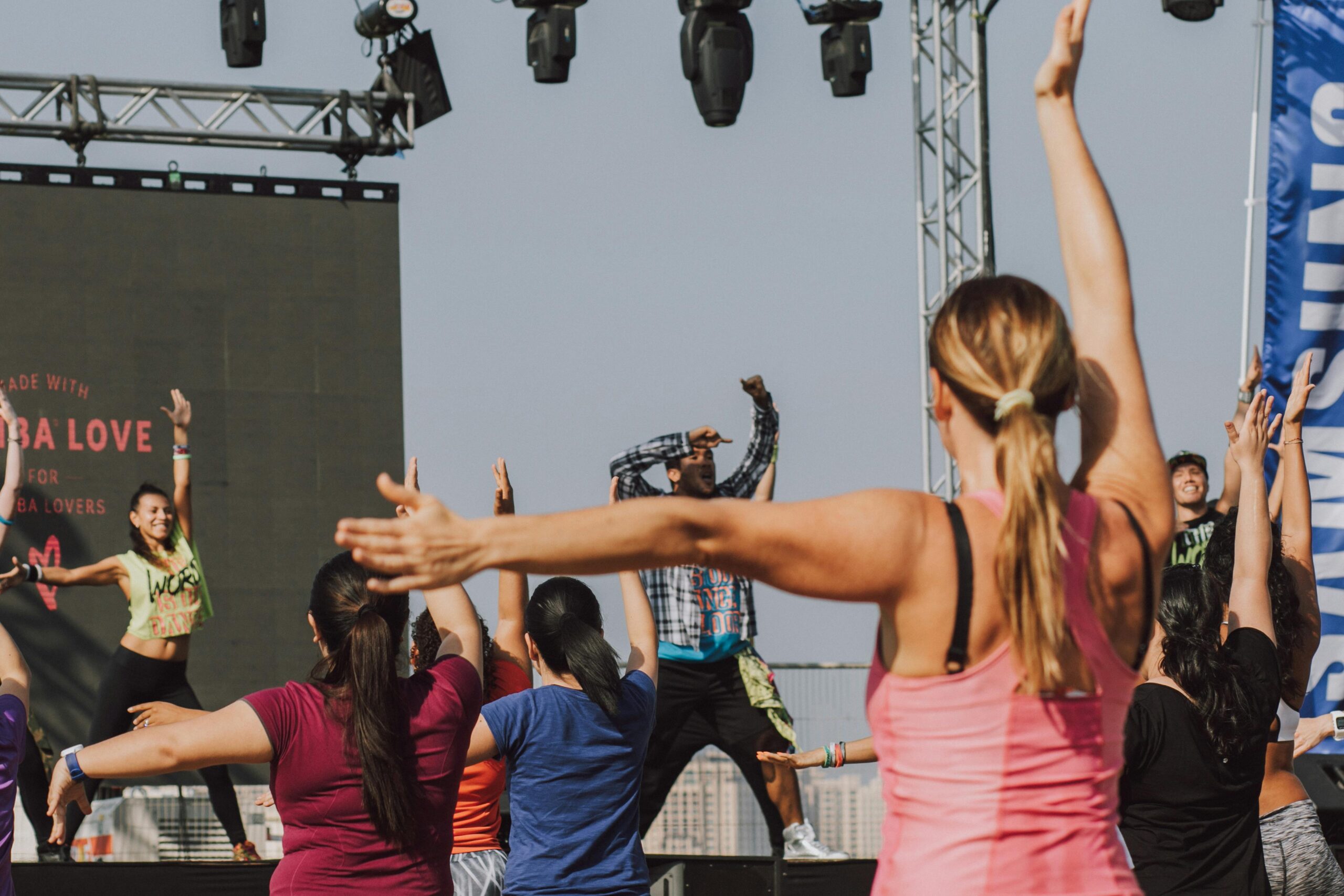
While solo Zumba delivers fantastic benefits, gathering friends transforms the experience into something extraordinary. Group energy amplifies motivation, creating an atmosphere where everyone feeds off each other’s enthusiasm.
Organizing regular Zumba sessions with friends establishes accountability. When others expect you to show up, you’re far less likely to skip. These gatherings become social events you anticipate rather than obligations you dread.
The shared experience strengthens friendships through laughter, mutual encouragement, and collective achievement. You’ll create inside jokes about challenging moves, celebrate each other’s progress, and build memories while building health.
Planning a Successful Group Zumba Session
Hosting friends for Zumba requires thoughtful preparation. Consider these practical tips:
- Schedule consistently: Choose a regular day and time that works for everyone
- Rotate locations: Share hosting responsibilities to distribute effort fairly
- Welcome all levels: Encourage newcomers and emphasize fun over perfection
- Create playlists together: Let everyone contribute favorite songs
- Plan post-workout socializing: Healthy snacks and conversation extend the positive experience
Start with shorter sessions when introducing friends who haven’t exercised regularly. Thirty-minute classes prevent overwhelming beginners while still delivering health benefits. Gradually increase duration as everyone’s fitness improves.
💪 Comprehensive Health Benefits of Regular Zumba Practice
Zumba’s popularity stems from genuine, research-supported health advantages. This isn’t just trendy fitness marketing—medical professionals recognize Zumba as legitimate exercise that delivers measurable results.
Cardiovascular Improvements
Your heart health receives tremendous benefits from Zumba’s sustained aerobic activity. The continuous movement maintains elevated heart rates in optimal training zones, strengthening cardiac muscle and improving circulation efficiency.
Regular participants often experience reduced blood pressure, improved cholesterol profiles, and decreased cardiovascular disease risk. The interval-style format—alternating between high-intensity segments and moderate recovery periods—mirrors proven heart-healthy training protocols.
Studies show that consistent Zumba practice can burn 400-600 calories per hour, depending on intensity and individual factors. This caloric expenditure supports weight management and metabolic health when combined with balanced nutrition.
Muscular Strength and Endurance
While Zumba emphasizes cardiovascular fitness, the movements engage muscles throughout your entire body. Squats, lunges, and hip movements target lower body strength. Arm styling and upper body choreography tone shoulders, arms, and back muscles.
Core muscles work constantly to maintain balance, control movements, and stabilize your body through direction changes. This functional core training translates into better posture, reduced back pain, and improved daily movement efficiency.
The repetitive nature of choreography builds muscular endurance—your muscles’ ability to perform repeatedly without fatigue. This endurance proves valuable in everyday activities beyond the dance floor.
Enhanced Flexibility and Mobility
Zumba choreography requires dynamic stretching and full range-of-motion movements. Regular practice gradually increases joint flexibility and muscle elasticity, reducing injury risk and improving overall movement quality.
The varied movements prevent the repetitive strain injuries sometimes associated with single-motion exercises. Your body moves in multiple planes of motion, maintaining balanced development and functional mobility.
Improved flexibility particularly benefits aging adults, helping maintain independence and reducing fall risk by enhancing balance and coordination.
🧠 Mental Health and Emotional Wellness Benefits
Physical transformation represents only part of Zumba’s value. The mental and emotional benefits often prove equally transformative, sometimes even more significantly impacting quality of life.
Stress Reduction and Anxiety Management
Dancing to energizing music provides powerful stress relief. Physical activity releases endorphins—natural mood elevators that create feelings of happiness and well-being. The rhythmic movement and musical engagement offer meditative qualities that quiet anxious thoughts.
Zumba sessions create temporary mental vacation from daily worries. When you’re concentrating on matching choreography and enjoying music, your brain takes a break from ruminating on problems. This mental reset helps you return to challenges with fresh perspective.
Regular participants report better sleep quality, reduced anxiety symptoms, and improved stress management skills that extend beyond workout sessions.
Boosted Self-Confidence and Body Positivity
Mastering new movements and observing your physical progress builds genuine self-confidence. Each class where you successfully follow choreography or notice improved stamina reinforces your capabilities.
Zumba’s non-competitive, judgment-free atmosphere cultivates body acceptance. The focus remains on personal enjoyment and progress rather than comparison with others. This environment helps participants develop healthier relationships with their bodies.
The visible physical changes—increased strength, improved posture, better coordination—provide tangible evidence of your commitment and ability to achieve goals, strengthening self-efficacy across life areas.
Social Connection and Community
Humans are inherently social creatures who thrive on connection. Zumba classes create instant communities united by shared interests and positive energy. These connections combat loneliness and provide social support networks.
Even home practice with friends strengthens social bonds through shared experiences. The laughter, encouragement, and collective achievement create positive memories and deepen relationships.
Online Zumba communities extend these benefits globally, connecting practitioners across geographical boundaries through shared passion for dance fitness.
🎯 Getting Started: Tips for Zumba Beginners
Starting any new fitness routine feels intimidating, but Zumba’s welcoming nature makes beginning easier than you might expect. These practical suggestions will smooth your introduction to this energizing practice.
Abandon Perfection, Embrace Enjoyment
The most important beginner tip: nobody expects perfection. Experienced Zumba enthusiasts emphasize feeling the music and having fun over executing flawless choreography. If you miss a step, laugh and jump back in.
Instructors design routines with repetition that helps newcomers catch on quickly. Movements repeat throughout songs, giving you multiple opportunities to learn each sequence. Within a few sessions, you’ll recognize common patterns.
Focus on large movements before worrying about detailed styling. Get your feet and arms moving in generally the right direction, then gradually add nuance as movements become familiar.
Start Gradually and Listen to Your Body
Enthusiasm sometimes tempts beginners to overdo initial sessions. While excitement is wonderful, respect your current fitness level to prevent injury and burnout. Start with shorter classes or take breaks when needed.
Modify movements to match your abilities. Good instructors demonstrate variations for different fitness levels. Choose versions that challenge you appropriately without causing pain or excessive fatigue.
Pay attention to your body’s signals. Muscle fatigue during exercise is normal and beneficial. Sharp pain, dizziness, or extreme breathlessness indicate you should reduce intensity or rest.
Consistency Matters More Than Intensity
Three moderate 30-minute sessions weekly deliver better long-term results than one exhausting 90-minute class followed by week-long recovery. Build sustainable habits rather than unsustainable intensity.
Schedule Zumba sessions like important appointments. Consistency transforms sporadic activity into genuine lifestyle change that produces lasting health improvements.
Track your practice to maintain motivation. Simple calendars marking completed sessions provide visual proof of commitment and help identify patterns that support or hinder consistency.
🌟 Specialized Zumba Formats for Different Goals
The Zumba brand has evolved beyond the original program, creating specialized formats targeting specific populations and fitness goals. Exploring these variations helps you find the perfect match for your needs.
Zumba Gold: Gentle Movement for Active Older Adults
This modified program maintains Zumba’s fun atmosphere while reducing impact and intensity. Designed for older adults, beginners, or those with physical limitations, Zumba Gold proves that age doesn’t limit participation in joyful movement.
Zumba Toning: Adding Resistance for Muscle Definition
This variation incorporates lightweight toning sticks during choreography, adding resistance that enhances muscle sculpting. The weights increase caloric burn while targeting specific muscle groups more intensively than standard Zumba.
Aqua Zumba: Low-Impact Water Workouts
Taking the party to the pool, Aqua Zumba provides the same energizing choreography in a supportive aquatic environment. Water resistance intensifies the workout while reducing joint stress, making this format ideal for injury recovery or arthritis management.
Zumba Kids: Cultivating Healthy Habits Early
Age-appropriate classes introduce children to fitness through game-based choreography and kid-friendly music. These programs combat childhood obesity while establishing positive relationships with physical activity that support lifelong health.
🍎 Maximizing Results Through Complementary Healthy Habits
While Zumba alone delivers impressive benefits, combining dance practice with other healthy habits amplifies results and creates comprehensive wellness transformation.
Nutrition That Fuels Your Dance
Exercise and nutrition work synergistically. Balanced eating provides energy for enthusiastic dancing while supporting recovery and muscle development. Focus on whole foods—vegetables, fruits, lean proteins, whole grains, and healthy fats.
Stay properly hydrated before, during, and after sessions. Even mild dehydration impairs performance and recovery. Water remains the best choice for sessions under an hour; longer workouts may benefit from electrolyte-containing beverages.
Time meals thoughtfully around workouts. Light snacks 30-60 minutes before dancing provide energy without causing digestive discomfort. Post-workout nutrition within two hours supports optimal recovery.
Rest and Recovery
Your body improves during rest periods between workouts, not during the workouts themselves. Adequate sleep—typically 7-9 hours for adults—enables physical recovery and mental restoration.
Schedule rest days into your weekly routine. Active recovery like gentle walking or stretching maintains movement while allowing muscular repair. This balanced approach prevents overtraining and maintains long-term enthusiasm.
Mindfulness and Stress Management
Complement physical practice with mental wellness techniques. Meditation, deep breathing, or journaling enhance the stress-reduction benefits you’re already receiving from Zumba.
This holistic approach addresses health from multiple angles, creating sustainable lifestyle changes rather than temporary fitness phases.
🌈 Embracing the Zumba Lifestyle: Your Path Forward
Zumba offers something increasingly rare in modern fitness culture: genuine joy combined with serious health benefits. This unique combination explains why millions worldwide have embraced it not as temporary diet-and-exercise trend but as lasting lifestyle component.
Whether you’re dancing alone in your bedroom, sweating with friends in your living room, or joining classes at local studios, you’re participating in a global movement that celebrates health, happiness, and human connection through dance.
The investment required is minimal—comfortable clothes, music, and willingness to move. The returns prove immeasurable: stronger heart, toned muscles, reduced stress, improved mood, enhanced confidence, and potentially transformative social connections.
Your fitness journey doesn’t require suffering through activities you hate. Zumba proves that exercise can feel like celebration, that health improvement can happen through laughter and music, and that taking care of yourself can be the highlight of your day rather than a dreaded obligation.
So clear some floor space, queue up your favorite energizing music, and let your body move. Don’t worry about perfect form or matching every step. Just feel the rhythm, enjoy the moment, and trust that your body and mind are receiving exactly what they need to thrive. 🎉
The dance floor is calling, whether it’s in your home, at a studio, or anywhere you choose to celebrate movement. Your healthier, happier self is waiting on the other side of that first step. Take it today.
