
Anúncios
Staying active after 50 isn’t just beneficial—it’s essential for maintaining independence, preventing falls, and enjoying everyday moments with energy and confidence.
Many people over 50 believe that slowing down is a natural part of aging. While rest is important, gentle, consistent movement can actually reverse some age-related decline. You don’t need a gym membership or complicated equipment—just the willingness to start.
This guide will walk you through simple, effective exercises designed specifically for those in their golden years. These activities improve balance, strengthen muscles, and make daily tasks like climbing stairs or carrying groceries significantly easier. 🌟
Why Exercise Becomes Even More Important After 50
As we age, our bodies naturally lose muscle mass, bone density decreases, and joints may become stiffer. Without regular movement, these changes accelerate, leading to reduced mobility and increased risk of injury.
Physical activity counteracts these effects by strengthening muscles that support your joints, improving circulation, and maintaining flexibility. Regular exercise also boosts mood, sharpens cognitive function, and helps manage chronic conditions like diabetes and arthritis.
The good news? You don’t need intense workouts to see results. Gentle, consistent movement tailored to your current fitness level delivers remarkable benefits without overwhelming your body.
Understanding Mobility and Why It Matters Daily
Mobility refers to your ability to move freely and easily through everyday activities. It’s what allows you to bend down to tie your shoes, reach for items on high shelves, or walk through the grocery store without discomfort.
Limited mobility doesn’t just affect physical tasks—it impacts independence and quality of life. When simple movements become challenging, people often avoid activities they once enjoyed, leading to social isolation and decreased mental wellbeing.
Targeted exercises restore and maintain mobility by addressing the specific areas that commonly stiffen with age: hips, shoulders, ankles, and spine. With improved mobility, you’ll notice everyday tasks becoming easier and less tiring.
Simple Exercises That Transform Your Daily Routine 💪
Let’s explore practical movements you can incorporate into your day without needing special equipment or extensive time commitments.
Chair Stands for Leg Strength
This exercise mimics the motion of standing up from a seated position—something you do multiple times daily. Strengthening the muscles involved makes this movement smoother and safer.
Sit in a sturdy chair with your feet flat on the floor, hip-width apart. Without using your hands for support, slowly stand up, pause briefly, then lower yourself back down with control. Start with 5 repetitions and gradually increase as you build strength.
This simple movement strengthens your quadriceps, glutes, and core muscles, all essential for maintaining independence and preventing falls.
Wall Push-Ups for Upper Body Strength
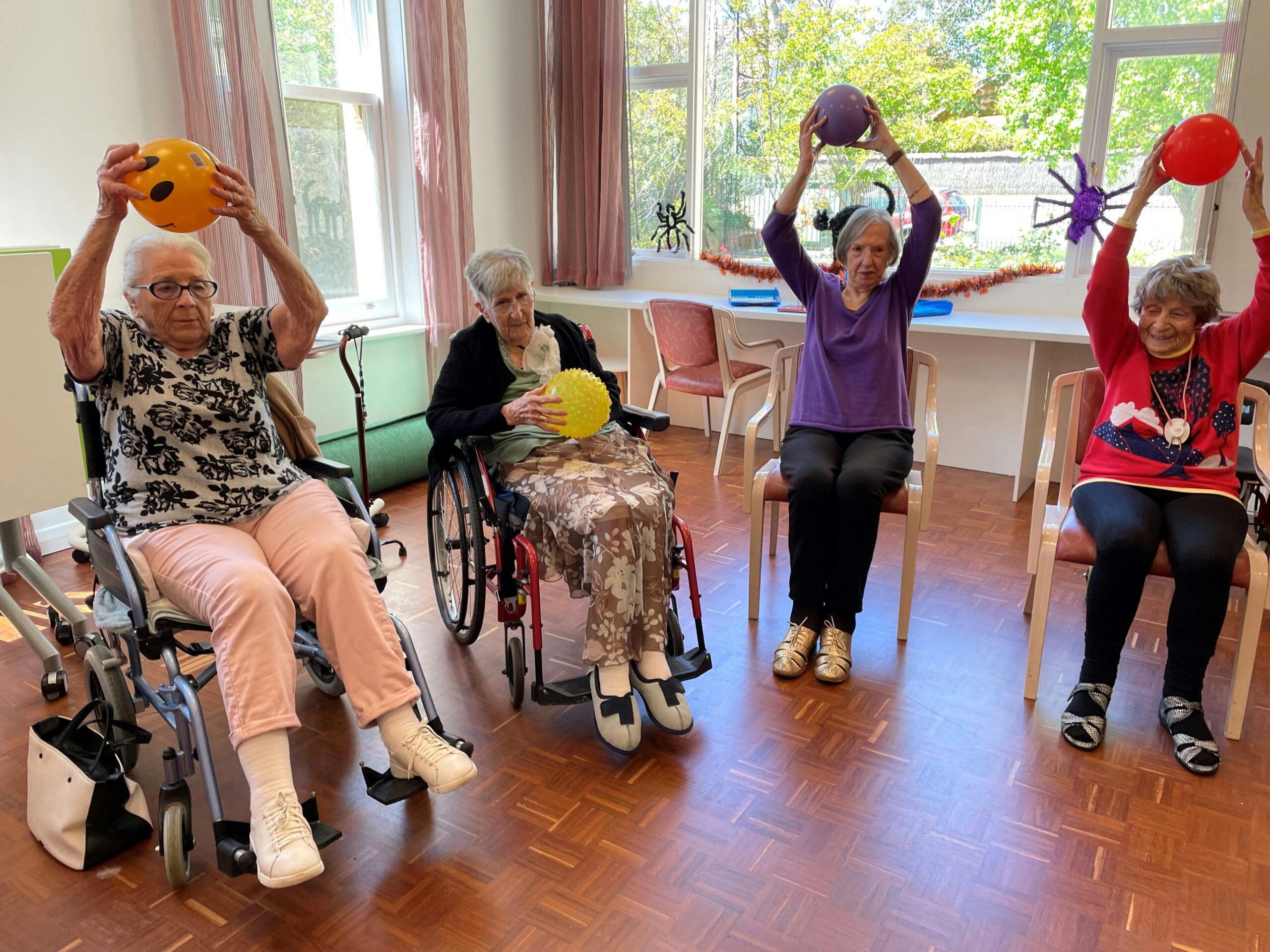


Traditional push-ups can be challenging, but wall push-ups provide similar benefits with less strain. They strengthen your chest, shoulders, and arms—muscles you use when pushing shopping carts, opening doors, or lifting objects.
Stand about arm’s length from a wall. Place your palms flat against the wall at shoulder height. Slowly bend your elbows, bringing your chest toward the wall, then push back to the starting position. Aim for 10-12 repetitions.
As you grow stronger, you can increase difficulty by standing further from the wall, creating a greater angle and requiring more effort.
Heel-to-Toe Walking for Balance
Balance deteriorates naturally with age, but it can be dramatically improved through practice. This exercise challenges your stability and coordination in a safe, controlled manner.
Find a clear hallway or open space. Walk forward by placing the heel of one foot directly in front of the toes of the other foot, as if walking on a tightrope. Take 20 steps forward, then turn and return. Use a wall for support if needed initially.
Practicing this regularly significantly reduces fall risk and builds confidence in your ability to navigate uneven surfaces or crowded spaces.
Seated Marching for Cardiovascular Health
Cardiovascular exercise doesn’t require running or high-impact movements. Seated marching elevates your heart rate gently while being completely safe for those with joint concerns.
Sit upright in a chair with your feet flat on the floor. Lift one knee as high as comfortably possible, lower it, then lift the other. Continue alternating legs at a steady pace for 1-2 minutes. Swing your arms naturally to engage your upper body.
This low-impact activity improves circulation, builds endurance, and can be done while watching television or listening to music.
Stretching Exercises That Ease Daily Movements 🌿
Flexibility exercises reduce stiffness, increase range of motion, and make movements feel more fluid and comfortable.
Seated Spinal Twist
This gentle twist relieves back tension and improves rotational mobility—helpful when reaching for your seatbelt or looking over your shoulder while driving.
Sit upright in a chair with both feet flat. Place your right hand on the outside of your left knee. Gently twist your torso to the left, looking over your left shoulder. Hold for 15-20 seconds, breathing deeply, then repeat on the other side.
Ankle Circles
Ankle mobility is crucial for walking stability and preventing trips. This simple exercise can be done anywhere, even while sitting and reading.
Extend one leg slightly off the ground. Slowly rotate your ankle in clockwise circles 10 times, then counterclockwise 10 times. Repeat with the other ankle. This improves circulation and maintains joint health.
Shoulder Rolls
Shoulder stiffness makes reaching overhead or behind your back difficult. Regular shoulder rolls maintain flexibility and reduce tension.
Sit or stand with good posture. Slowly roll your shoulders forward in large circles 10 times, then backward 10 times. This simple movement keeps shoulder joints mobile and relieves upper back tension.
Creating a Sustainable Exercise Routine
Consistency matters more than intensity. A gentle routine performed regularly delivers far better results than sporadic intense workouts that leave you exhausted or injured.
Start with just 10-15 minutes daily, choosing 3-4 exercises from this guide. Perform them at the same time each day—perhaps after breakfast or before your evening television programs—to build a lasting habit.
Listen to your body. Mild muscle fatigue is normal, but sharp pain signals you should stop and consult a healthcare professional. Progress gradually, adding repetitions or new exercises only when current ones feel comfortable.
Overcoming Common Barriers to Exercise
Many people over 50 face obstacles that prevent them from starting or maintaining an exercise routine. Recognizing these barriers helps you develop strategies to overcome them.
“I Don’t Have Time”
The exercises described here require minimal time investment. Even 10 minutes daily creates positive changes. Consider breaking your routine into smaller segments—5 minutes in the morning and 5 in the evening—to fit your schedule.
“I’m Afraid of Getting Hurt”
Starting with gentle, controlled movements significantly reduces injury risk. Using a chair for support during balance exercises and working within your comfortable range of motion keeps you safe while building strength and confidence.
“I’m Too Out of Shape to Start”
These exercises are specifically designed for people at all fitness levels, including those who haven’t exercised in years. Begin where you are, not where you think you should be. Every small movement counts toward improvement.
The Connection Between Physical and Mental Wellbeing 🧠
Exercise benefits extend far beyond physical health. Regular movement significantly impacts mood, cognitive function, and emotional resilience.
Physical activity releases endorphins—natural mood elevators that reduce feelings of depression and anxiety. Many people report feeling more optimistic and energized after establishing a consistent exercise routine.
Studies show that regular exercise improves memory, enhances focus, and may reduce the risk of cognitive decline. The combination of increased blood flow to the brain and the mental challenge of learning and performing movements creates powerful protective effects.
Additionally, maintaining physical independence through exercise preserves self-esteem and provides a sense of accomplishment that positively impacts overall life satisfaction.
Nutrition Tips to Support Your Active Lifestyle
Exercise and nutrition work together to maximize health benefits. Proper fueling helps your body recover from activity and build strength more effectively.
Prioritize protein intake to support muscle maintenance and repair. Include lean meats, fish, eggs, beans, and dairy products in your daily meals. Aim for protein at each meal rather than concentrating it all at dinner.
Stay well-hydrated, as dehydration affects energy levels and can increase injury risk. Water needs increase with activity, even gentle exercise. Keep a water bottle nearby and sip throughout the day.
Don’t neglect calcium and vitamin D, which support bone health—especially important as bone density naturally decreases with age. Dairy products, leafy greens, and fortified foods provide these essential nutrients.
Tracking Progress Without Obsessing Over Numbers ✨
Measuring improvement helps maintain motivation, but avoid becoming fixated on numbers that might not reflect your true progress.
Notice functional improvements: Are stairs easier to climb? Can you carry groceries with less effort? Do you feel less stiff when getting out of bed? These real-world changes matter more than abstract measurements.
Keep a simple journal noting how you feel after exercise, which movements are becoming easier, and any activities you can now do that were previously challenging. This qualitative feedback often provides more meaningful motivation than quantitative data.
Celebrate small victories. Successfully completing your routine for a full week deserves recognition. Being able to add an extra repetition or hold a stretch longer represents genuine progress worth acknowledging.
When to Seek Professional Guidance
While these exercises are generally safe, certain situations warrant consultation with healthcare professionals before beginning a new routine.
If you have existing health conditions like heart disease, uncontrolled diabetes, severe arthritis, or balance disorders, speak with your doctor first. They can provide personalized recommendations and identify any movements to avoid.
Physical therapists specialize in creating exercise programs for people with specific limitations or recovery needs. A few sessions can provide valuable guidance tailored to your unique situation.
Personal trainers certified in senior fitness understand age-related physical changes and can design progressive routines that challenge you appropriately while maintaining safety.
Building a Supportive Environment for Success
Your physical environment and social connections significantly influence your ability to maintain an exercise routine.
Designate a specific space in your home for exercise, even if it’s just a corner of your living room. Having a dedicated area signals your brain that this activity is important and reduces the friction of getting started.
Consider exercising with a friend or joining a class designed for older adults. Social connection adds enjoyment and accountability, making you more likely to stick with your routine consistently.
Share your goals with family members who can offer encouragement. Sometimes simply knowing someone is interested in your progress provides the motivation needed to continue on difficult days.
The Long-Term Benefits Worth the Effort 🌈
The exercises outlined here might seem simple, but their cumulative impact over weeks and months is profound.
Improved strength and balance directly reduce fall risk—one of the most significant health threats facing older adults. Falls often lead to serious injuries that dramatically impact independence and quality of life.
Enhanced mobility means you can continue enjoying activities that bring you joy, whether that’s gardening, playing with grandchildren, traveling, or pursuing hobbies that require physical capability.
Maintaining physical independence preserves dignity and autonomy. Being able to care for yourself without assistance supports mental health and allows you to live life on your own terms.
Regular exercise also helps manage chronic conditions, potentially reducing medication needs and healthcare costs while extending your healthy, active years.
Starting Today Makes Tomorrow Easier
The best time to begin exercising was years ago. The second-best time is right now. Waiting for the “perfect moment” or until you “feel ready” only delays the benefits you could be experiencing.
Choose just one or two exercises from this guide and perform them today. Don’t worry about doing everything perfectly or completing a full routine. Taking the first small step matters more than planning an elaborate program you never start.
Tomorrow, do the same exercises again. Then repeat the next day. Within a week, these movements will begin feeling more natural. Within a month, you’ll likely notice tangible improvements in how your body feels and functions.
Your 50s, 60s, 70s, and beyond can be vibrant, active, energetic years filled with movement and independence. The choice to make that vision reality starts with the simple decision to move your body today. 💪
Remember, you’re not exercising to turn back time—you’re moving to make the most of the time ahead. Every repetition, every stretch, every moment of movement is an investment in your future self. Start small, stay consistent, and watch as these simple exercises transform your daily life in ways both big and small.
