
Anúncios
Modern IQ testing has evolved from simple puzzles to sophisticated digital assessments that analyze cognitive abilities with unprecedented precision and speed.
The journey from Alfred Binet’s original intelligence scales to today’s algorithmically-powered assessments represents one of psychology’s most fascinating technological transformations. What once required trained psychologists administering physical tests in controlled environments can now happen on your smartphone during your morning commute.
This technological revolution hasn’t just made testing more accessible—it’s fundamentally changed how we understand, measure, and interpret human intelligence. Today’s digital assessments combine neuroscience, psychometrics, machine learning, and big data to create experiences that are simultaneously more engaging and more scientifically rigorous than ever before. 🧠
The Foundation: What Modern IQ Tests Actually Measure
Contemporary intelligence assessments move far beyond the outdated notion of a single “intelligence number.” Modern psychometric theory recognizes multiple cognitive domains that contribute to overall intellectual functioning.
Digital IQ tests typically evaluate several core cognitive abilities simultaneously. Fluid reasoning measures your capacity to solve novel problems without relying on previously learned knowledge. Working memory assessments examine how well you can hold and manipulate information temporarily. Processing speed evaluates how quickly you can perform simple cognitive tasks accurately.
Visual-spatial reasoning tests your ability to mentally manipulate objects and understand spatial relationships. Crystallized intelligence measures accumulated knowledge and vocabulary. Quantitative reasoning assesses mathematical thinking and logical problem-solving capabilities.
The technology behind these assessments uses Item Response Theory (IRT), a sophisticated mathematical framework that adapts question difficulty based on your performance. Unlike traditional tests where everyone receives identical questions, modern adaptive testing becomes progressively harder or easier depending on your responses.
Adaptive Algorithms: Your Personalized Intelligence Journey


The true innovation in modern IQ testing lies in adaptive algorithms that create unique experiences for each test-taker. These systems function like intelligent tutors, constantly adjusting to provide the most informative questions possible.
When you answer a question correctly, the algorithm immediately increases difficulty. Answer incorrectly, and subsequent questions become slightly easier. This dynamic adjustment accomplishes something remarkable: it can estimate your abilities with far fewer questions than traditional fixed-form tests.
Computer Adaptive Testing (CAT) systems analyze thousands of data points during your assessment. Response time matters almost as much as accuracy. Hesitation patterns reveal confidence levels. Even the sequence of eliminated answer choices provides valuable cognitive information.
Machine learning models trained on millions of previous responses can predict with remarkable accuracy which questions will be most diagnostic for someone with your emerging ability profile. This means you’re never wasting time on questions that are too easy or impossibly difficult—every item contributes maximum information about your cognitive capabilities. ⚡
Neuropsychological Principles in Digital Design
Effective digital IQ tests aren’t simply paper assessments converted to screens. They leverage neuroscientific understanding of how brains process different types of information and challenges.
Visual processing tests might use animated sequences that traditional paper tests cannot replicate. Pattern recognition exercises can incorporate color, movement, and interactive elements that engage different neural pathways than static images.
Timing mechanisms have become incredibly precise. Where human administrators might introduce half-second variations, digital tests measure response latencies to the millisecond. This precision reveals subtle processing speed differences that correlate with various aspects of cognitive efficiency.
The presentation order of test elements follows carefully researched cognitive loading principles. Easier warm-up questions activate relevant neural networks. Strategic breaks prevent fatigue from distorting results. Question types are sequenced to minimize interference effects where one task negatively impacts performance on the next.
The Role of Attention Tracking Technology
Cutting-edge digital assessments now incorporate attention monitoring to ensure test validity. Some platforms use front-facing cameras with eye-tracking capabilities to verify focused engagement throughout the assessment.
This technology addresses a major validity concern with unsupervised digital testing: distraction. If the system detects that you’re looking away from the screen during timed questions, it can flag those responses or adjust scoring accordingly.
Attention metrics also provide additional cognitive data. Patterns of visual scanning on complex visual problems reveal problem-solving strategies. Time spent reviewing answer choices before selection indicates decision-making approaches.
Big Data and Normative Comparisons
Traditional IQ tests established norms through relatively small standardization samples—often just a few thousand people carefully selected to represent broader populations. Digital testing has revolutionized this process entirely.
Modern platforms collect data from hundreds of thousands or even millions of test-takers globally. This massive dataset enables unprecedented precision in understanding how cognitive abilities distribute across populations.
More importantly, these large samples allow for highly specific normative comparisons. Rather than comparing you to a generic “general population,” sophisticated systems can compare your performance to demographically similar individuals—same age range, educational background, or even geographic region.
The statistical power of big data also reveals patterns invisible in smaller samples. Researchers have identified subtle cognitive profile variations across cultures, age groups, and educational experiences that help refine what “average” truly means for different populations. 📊
Real-Time Score Calibration
Unlike static paper tests with fixed scoring schemes, digital platforms continuously recalibrate their scoring algorithms as new data accumulates. If a particular question proves unexpectedly difficult for thousands of test-takers, the system automatically adjusts its difficulty rating and scoring weight.
This dynamic calibration means that tests become more accurate over time. Early versions might have minor imperfections in difficulty estimates, but these self-correct as the system gathers more response data.
Some platforms update normative comparisons quarterly or even monthly, ensuring that your score reflects the most current understanding of population-level performance rather than outdated norms from years ago.
Gamification Without Compromising Validity
One of technology’s most intriguing contributions to IQ testing is the integration of game-like elements that maintain engagement without sacrificing psychometric rigor.
Traditional intelligence tests could be tedious experiences—repetitive tasks with minimal feedback, often lasting over an hour. Modern digital assessments incorporate progress indicators, achievement unlocks, and varied question formats that feel more like brain-training apps than clinical evaluations.
This gamification serves important psychological purposes. Sustained motivation throughout the test ensures that your final score reflects genuine ability rather than fatigue-induced decline. Varied formats maintain attention and reduce practice effects where you simply get better at a repeated task type.
Researchers have carefully studied how to implement these engaging elements without introducing confounding variables. Visual rewards appear between sections, not during active problem-solving. Progress bars show advancement without revealing performance quality. The experience feels rewarding while the underlying measurement remains scientifically sound. 🎮
Mobile Technology and Accessibility
Smartphone-based IQ testing represents perhaps the most democratizing development in the field’s history. Assessments that once required appointments with licensed psychologists and significant financial investment are now available instantly to anyone with a mobile device.
Mobile platforms have introduced unique measurement opportunities. Touch-based interfaces enable novel question types impossible with paper or even traditional computers. Drag-and-drop sequencing tasks, multi-touch pattern matching, and gesture-based spatial reasoning exercises leverage smartphone capabilities for richer cognitive assessment.
The portability of mobile testing also reduces situational anxiety. Taking an assessment in a familiar environment rather than a clinical setting can produce results more representative of everyday cognitive functioning.
However, mobile testing introduces challenges too. Screen size variations affect visual processing tasks. Interruptions from notifications or environmental distractions can compromise validity. Sophisticated mobile IQ apps address these issues through responsive design that adapts to different devices and distraction-detection algorithms that identify potentially compromised test sessions.
Cross-Platform Consistency Challenges
Ensuring measurement equivalence across devices requires extensive validation research. A pattern recognition task might function differently on a 6-inch phone screen versus a 10-inch tablet versus a desktop monitor.
Leading digital assessment platforms conduct device-specific validation studies, comparing scores across platforms to ensure measurement consistency. Some adjust difficulty ratings for specific question types based on the device being used, recognizing that certain tasks become genuinely harder or easier with different interfaces.
Artificial Intelligence in Result Interpretation
Beyond administering tests, AI systems now provide sophisticated interpretation of results that goes well beyond a simple numerical score. Machine learning algorithms identify cognitive strength and weakness patterns, generating personalized insights about your intellectual profile.
These interpretive AI systems analyze your response patterns across hundreds of variables. Which question types did you excel at? Where did you struggle? Did processing speed limit your performance on complex reasoning tasks? Were visual-spatial abilities a relative strength compared to verbal reasoning?
Natural language generation systems convert these analytical insights into readable feedback that’s both psychologically informed and accessible to non-experts. You receive not just a number but a narrative about your cognitive characteristics, potential applications, and even suggestions for further development. 🤖
Predictive Analytics and Future Applications
Advanced platforms now incorporate predictive modeling that extends beyond current cognitive assessment. By analyzing your performance patterns alongside vast databases of longitudinal outcomes, AI systems can identify potential career fits, learning strategies likely to work well for your cognitive profile, and even areas of untapped potential.
These predictive capabilities raise important ethical questions about privacy, determinism, and the appropriate use of cognitive data—considerations that responsible platforms address through transparent data practices and careful limitation of claims.
Validation and Scientific Rigor in Digital Assessment
Despite technological sophistication, the credibility of any IQ test ultimately rests on psychometric validation—demonstrating that it actually measures what it claims to measure.
Reputable digital IQ tests undergo extensive validation studies comparing their results to established gold-standard assessments like the WAIS or Stanford-Binet. Correlation coefficients above 0.80 suggest strong measurement agreement, indicating the digital version captures similar cognitive constructs as traditional tests.
Reliability testing examines consistency—do people receive similar scores when retested? Modern digital platforms typically demonstrate reliability coefficients above 0.90, comparing favorably to traditional instruments.
Construct validity studies explore whether the test actually measures intelligence rather than some other trait like test-taking familiarity or reading speed. Factor analysis and other statistical techniques confirm that performance primarily reflects general cognitive ability rather than irrelevant variables.
Privacy, Security, and Ethical Considerations

The digitization of intelligence testing creates unprecedented data privacy concerns. Your cognitive performance represents deeply personal information with potential implications for education, employment, and self-perception.
Responsible platforms implement robust data security measures including encryption, anonymization, and strict access controls. Privacy policies should clearly explain data retention practices, third-party sharing limitations, and user rights regarding their cognitive information.
Ethical considerations extend beyond data security. How should false precision be avoided—presenting scores with unwarranted decimal-point accuracy that overstates measurement certainty? What disclaimers are necessary about test limitations? How can platforms prevent misuse of results for discriminatory purposes? 🔒
Leading digital assessment providers engage these ethical dimensions seriously, often consulting with bioethics experts and following professional guidelines from organizations like the American Psychological Association.
The Neuroscience of Test-Taking Itself
Interestingly, neuroscience research has revealed that taking IQ tests activates a complex network of brain regions, providing insights into the cognitive processes being measured.
Functional MRI studies show that working memory tasks strongly activate the prefrontal cortex and parietal regions. Visual-spatial reasoning problems engage occipital and parietal cortex areas. Verbal reasoning activates left-hemisphere language networks including Broca’s and Wernicke’s areas.
This neurological understanding informs better test design. If two question types activate identical brain networks, they’re measuring redundant abilities and one could be eliminated for efficiency. If certain question formats produce unusual activation patterns inconsistent with target cognitive abilities, they might be measuring test-taking strategy rather than intelligence itself.
Comparing Digital to Traditional Assessment Methods
The obvious question remains: how do digital IQ tests compare to traditional in-person assessments administered by psychologists?
Research generally shows high correlation between well-designed digital tests and traditional instruments, typically in the 0.80-0.90 range. This suggests they’re measuring substantially the same cognitive abilities.
Digital tests offer advantages in standardization—every test-taker receives identical presentation timing and instructions. Human administrators, despite training, introduce subtle variations in pace, emphasis, and interpersonal dynamics that can affect performance.
However, traditional testing offers observational richness. Skilled psychologists notice anxiety behaviors, attention fluctuations, and problem-solving approaches that provide valuable context for score interpretation. They can also probe unexpected responses and adjust testing approaches for individuals with special needs.
The emerging consensus suggests that digital and traditional approaches serve complementary roles. Digital assessments excel for broad screening, research applications, and general curiosity about cognitive abilities. Traditional testing remains preferable for high-stakes decisions, clinical diagnosis, and cases requiring nuanced professional judgment. ⚖️
Future Directions: Where Intelligence Testing Technology Is Headed
The technological evolution of IQ testing continues accelerating, with several emerging trends poised to further transform the field.
Virtual reality assessment represents an exciting frontier. Immersive VR environments enable complex spatial navigation tasks impossible in traditional formats. Imagine assessing problem-solving abilities through virtual escape rooms or measuring social intelligence through simulated interpersonal scenarios.
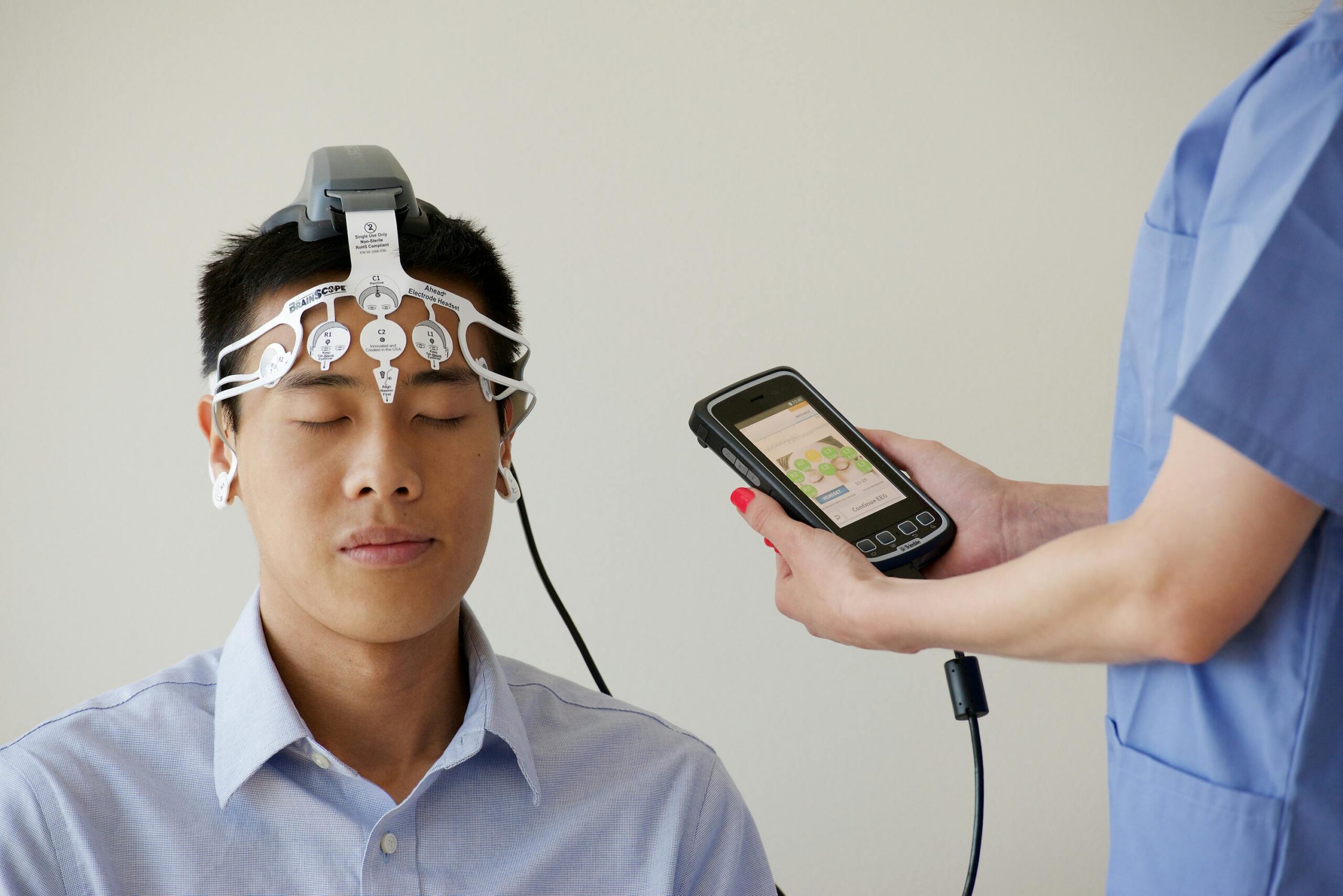
Neuroimaging integration may eventually combine behavioral assessment with direct brain activity measurement. Portable EEG devices could provide neural efficiency metrics alongside performance scores, offering a more complete picture of cognitive functioning.
Continuous assessment models might replace single-session testing entirely. Imagine apps that measure cognitive performance subtly during normal device use, building a longitudinal intelligence profile from thousands of micro-interactions rather than one formal testing session.
Personalized cognitive training represents another convergence point. Platforms might transition seamlessly from assessment to targeted brain training, using your IQ test results to design customized exercises addressing specific cognitive weaknesses.
Understanding Your Results: What Your Score Actually Means
Receiving your IQ score from a digital assessment is just the beginning—understanding what it means requires context and perspective.
Standard IQ scales center on 100 as average, with a standard deviation of 15 points. This means approximately 68% of people score between 85 and 115, while 95% fall between 70 and 130. Scores above 130 are conventionally labeled “gifted,” while those below 70 may indicate cognitive challenges requiring support.
However, these numerical boundaries represent arbitrary cutoffs on a continuous distribution. A score of 129 isn’t fundamentally different from 131—the difference falls within measurement error margins.
More valuable than the overall score are subscale profiles showing relative cognitive strengths. Perhaps you demonstrate exceptional logical reasoning but more modest verbal abilities. These patterns provide actionable insights about learning approaches, career fits, and personal development opportunities that a single number cannot capture. 📈
The Flynn Effect in Digital Context
An intriguing phenomenon called the Flynn Effect describes the observed rise in average IQ scores of about 3 points per decade throughout the 20th century. Digital testing platforms must account for this ongoing shift in population norms.
Some researchers speculate that increased digital interaction itself may be driving continued cognitive changes, particularly in visual-spatial and processing speed domains. Digital IQ tests both measure and potentially contribute to this evolving cognitive landscape.
Making Technology-Enhanced Testing Work for You
To get the most accurate and meaningful results from digital IQ assessment, several practical considerations matter.
Choose a quiet, distraction-free environment with a stable internet connection. Fatigue significantly impacts cognitive performance, so test when you’re well-rested and alert. Avoid alcohol or substances that might impair thinking, and consider timing relative to your personal peak performance hours.
Read instructions carefully before beginning. Many platforms offer practice questions—use them to familiarize yourself with the interface before timed assessment begins. Understand whether you can skip questions and return, or if progress is linear.
Approach the test with appropriate mindset. Excessive anxiety can suppress performance, while insufficient motivation produces underestimates of ability. Aim for engaged focus without performance pressure.
After completing the assessment, reflect on the experience itself. Did technical difficulties interfere? Were you interrupted? This context helps interpret whether your score represents genuine ability or was compromised by situational factors.
The Broader Intelligence Picture Beyond IQ Numbers
While technology has made IQ testing more sophisticated and accessible than ever, it’s crucial to maintain perspective about what these assessments can and cannot tell us.
IQ tests measure specific cognitive abilities that correlate with academic success, certain professional achievements, and various life outcomes. However, they don’t capture creativity, emotional intelligence, practical wisdom, motivation, resilience, or numerous other qualities that contribute to human flourishing and success.
The most scientifically advanced IQ test available cannot measure your capacity for empathy, artistic vision, entrepreneurial instinct, or moral courage. It reveals something genuine about how your brain processes certain types of information, but that represents only one dimension of human capability. 🌟
Technology has democratized access to cognitive assessment and enhanced measurement precision dramatically. These advances serve us best when we appreciate both their power and their limitations—using them as tools for self-understanding rather than definitive judgments of human worth or potential.
As digital IQ testing continues evolving, the most important intelligence may be knowing how to interpret these technological insights wisely, integrating them into a broader, more complete understanding of ourselves and others.
