Anúncios
Artificial intelligence and big data are now transforming how we connect with the cosmos, turning ancient astrological wisdom into personalized, data-driven experiences.
Birth chart applications have evolved from simple digital calculators into sophisticated platforms that combine centuries-old astrological knowledge with cutting-edge technology. What once required hours of manual calculations and deep expertise can now be generated instantly on your smartphone, complete with personalized insights and interactive visualizations.
This technological revolution hasn’t diminished the mystical appeal of astrology—instead, it has democratized access to complex astrological readings while enhancing accuracy and personalization. The marriage between artificial intelligence, big data analytics, and astrological interpretation has created an entirely new category of wellness and self-discovery applications.
🔮 From Manual Charts to Intelligent Algorithms
Traditional astrology required practitioners to spend considerable time calculating planetary positions using astronomical tables called ephemerides. Each birth chart demanded precise mathematical computations based on exact birth time, date, and location coordinates.
Modern birth chart apps eliminate this labor-intensive process entirely. AI-powered systems instantly access vast astronomical databases, calculate complex planetary aspects, and generate detailed visual representations within seconds. The accuracy has improved dramatically, as these systems eliminate human calculation errors that were common in manual chart creation.
Machine learning algorithms now analyze patterns across millions of charts, identifying correlations and trends that individual astrologers might never detect in a lifetime of practice. This doesn’t replace human intuition and interpretive skill—it enhances the foundation upon which meaningful readings are built.
📊 Big Data’s Role in Astrological Pattern Recognition
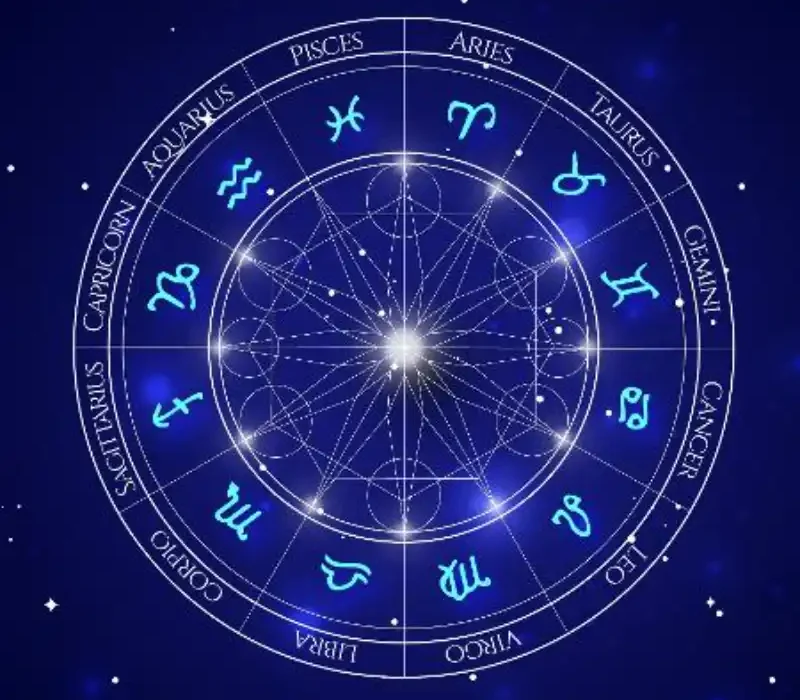


Big data has fundamentally changed how astrological applications understand and present information. By analyzing millions of user profiles, birth charts, and feedback, these platforms identify statistically significant patterns that refine their interpretative accuracy.
Consider how Netflix recommends shows based on viewing patterns—birth chart apps now employ similar methodologies. They compare your unique planetary configuration with thousands of similar charts, identifying common traits, challenges, and life patterns associated with specific astrological signatures.
This data-driven approach allows applications to provide increasingly nuanced readings. Rather than generic sun sign horoscopes, users receive insights tailored to their complete natal chart, factoring in house placements, aspects, and progressions that create their unique astrological fingerprint.
Data Points That Power Modern Astrology Apps
Contemporary birth chart applications collect and analyze numerous data points to deliver personalized experiences:
- Precise geographic coordinates: GPS technology ensures accurate location data for house system calculations
- Astronomical databases: Real-time planetary position data updated continuously
- User interaction patterns: Which readings resonate most with specific chart configurations
- Timing data: Transits, progressions, and return cycles matched with user-reported life events
- Compatibility matrices: Millions of relationship comparisons to identify synastry patterns
- Cultural and linguistic variations: How astrological interpretation differs across demographics
🤖 AI-Powered Interpretation: Beyond Cookie-Cutter Readings
Perhaps the most significant advancement in birth chart applications is the implementation of natural language processing and generative AI for interpretations. Early digital astrology tools simply displayed pre-written text snippets based on planetary positions—rigid and repetitive.
Today’s intelligent systems generate dynamic, contextual readings that consider the interplay between multiple chart factors simultaneously. Advanced AI models understand astrological symbolism and can articulate complex concepts in accessible language tailored to the user’s comprehension level.
These systems recognize that a Venus in Scorpio placement expresses differently when it’s in the second house versus the eighth, or when it forms a trine to Neptune versus a square to Mars. The AI weighs these variables and constructs interpretations that reflect this complexity.
Personalization at Scale
Machine learning enables birth chart apps to remember user preferences and adapt their communication style accordingly. If you frequently explore career-related insights, the application learns to emphasize vocational indicators in your chart. If you’re navigating relationship questions, compatibility features become more prominent.
This adaptive interface creates a personalized astrology experience that feels less like consulting a static reference book and more like having an astrological advisor who knows your interests and concerns.
⏰ Real-Time Transit Tracking and Predictive Analytics
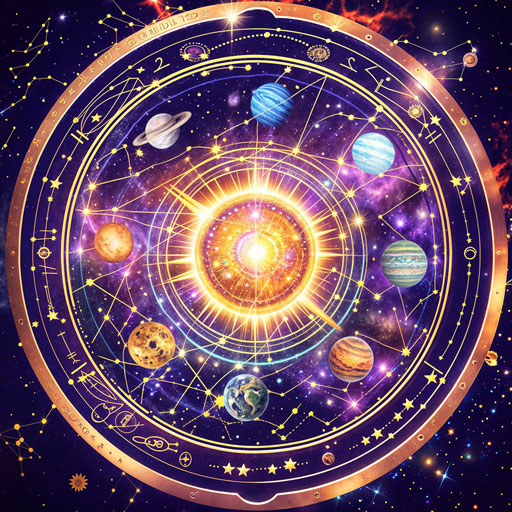
One of the most practical applications of AI and big data in astrology apps is real-time transit tracking. These systems continuously monitor current planetary positions and compare them to your natal chart, alerting you to significant astrological weather.
Predictive algorithms identify upcoming transits, progressions, and return cycles, providing advance notice of potentially significant periods. This isn’t fortune-telling—it’s pattern recognition based on astrological timing principles, enhanced by data analysis of how similar transits have manifested for others with comparable charts.
Push notifications can alert users when Mercury enters their communication sector, when Venus aspects their relationship axis, or when major outer planet transits activate sensitive points in their chart. This transforms astrology from something you consult occasionally into an ongoing navigational tool for daily life.
🌐 Global Databases and Collaborative Intelligence
Modern birth chart applications tap into extensive astronomical databases maintained by institutions worldwide. NASA data, astronomical observatories, and specialized astrological research organizations contribute to the precision of these platforms.
Cloud computing enables instant access to calculations that would have required specialized software and powerful computers just two decades ago. Whether calculating a solar return chart for someone born in Tokyo or comparing composite charts for partners on opposite sides of the globe, the processing happens instantaneously.
Some platforms incorporate collaborative features where users can anonymously contribute data about how specific transits or progressions manifested in their lives. This crowdsourced information refines the application’s predictive capabilities and interpretive accuracy over time.
📱 Enhanced User Experience Through Smart Design

AI and big data don’t just improve astrological calculations—they revolutionize how users interact with their birth charts. Modern applications employ UX principles informed by user behavior analytics to create intuitive, engaging interfaces.
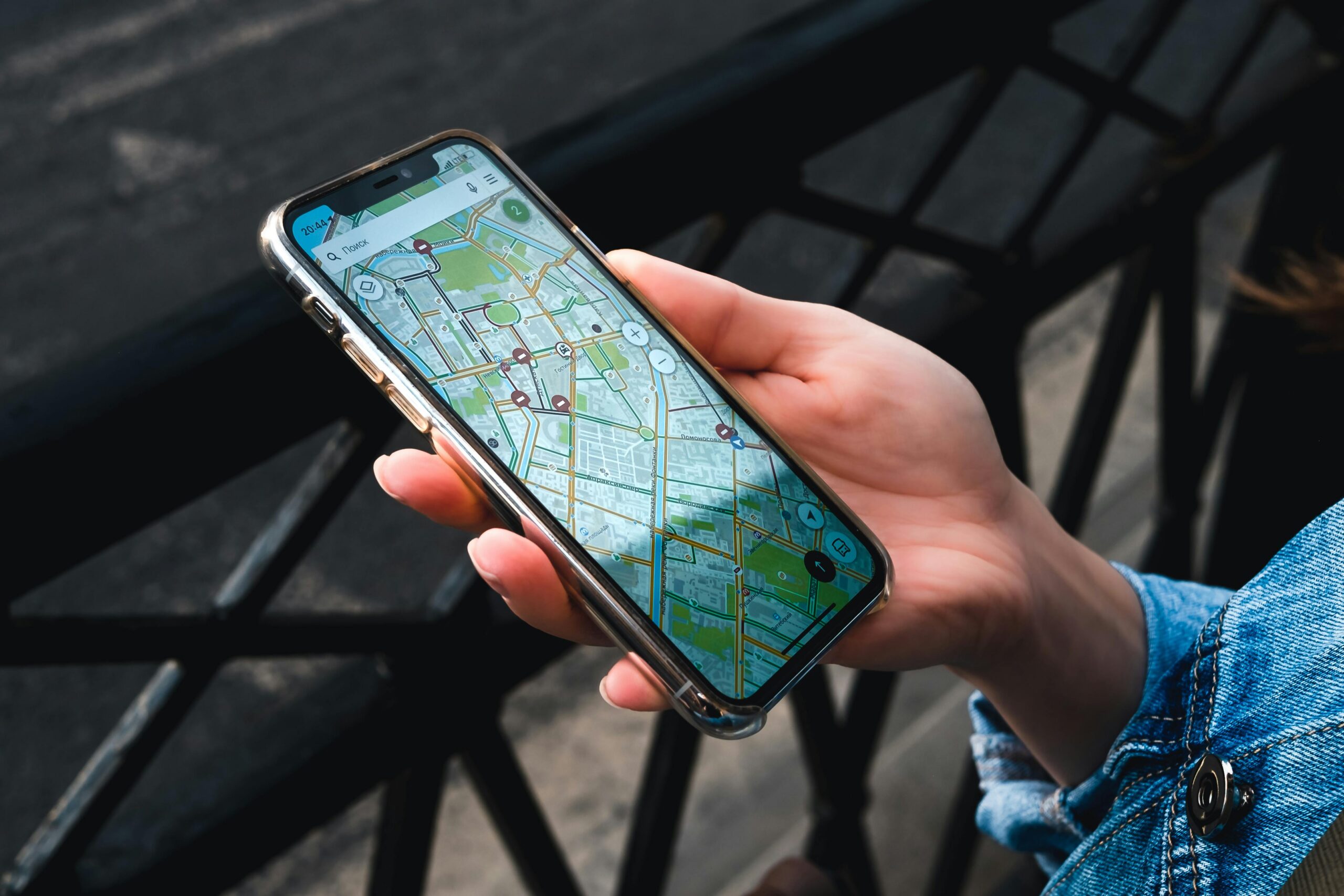
Interactive chart wheels allow users to explore planetary positions visually, with touch gestures revealing detailed information about each placement. Augmented reality features in some advanced apps even overlay astrological information onto the actual sky, showing where planets currently sit in relation to your birth chart.
Gamification elements informed by behavioral data encourage regular engagement. Daily insight notifications, streak tracking for meditation or journaling features, and achievement systems turn astrological exploration into an engaging habit rather than an occasional curiosity.
Visual Intelligence and Chart Complexity
Data visualization algorithms transform complex astrological information into comprehensible graphics. Heat maps might show which areas of your chart are most activated during specific periods. Network diagrams illustrate the web of aspects connecting your planets. Timeline views display the arc of major transits over months or years.
These visual tools make astrology accessible to beginners while providing depth for advanced practitioners. The AI determines which visual approach best communicates specific information based on the user’s proficiency level and learning preferences.
🔐 Privacy Considerations in Data-Driven Astrology
As birth chart applications become more sophisticated in their data collection and analysis, privacy concerns naturally arise. Reputable platforms implement robust security measures to protect sensitive personal information like exact birth times and locations.
Encryption protocols, anonymized data aggregation, and transparent privacy policies are essential features of trustworthy astrology apps. Users should understand what data is collected, how it’s used, and whether it’s shared with third parties.
The most ethical applications allow users to benefit from collective intelligence and pattern recognition while maintaining control over their personal information. Opt-in features for data contribution and granular privacy settings represent best practices in this evolving space.
🎯 Compatibility Matching: AI Meets Synastry
Relationship astrology has been transformed by machine learning algorithms that analyze compatibility across multiple dimensions. Traditional synastry compared two birth charts manually—a time-consuming process yielding sometimes superficial insights.
AI-powered compatibility systems evaluate hundreds of factors simultaneously: planetary aspects between charts, house overlays, composite chart configurations, and timing compatibility through progression and transit analysis.
Big data enables these systems to reference relationship outcomes across thousands of chart comparisons, identifying which astrological signatures correlate with lasting partnerships, challenging dynamics, or transformative connections. The result is compatibility analysis that’s both comprehensive and nuanced.
| Traditional Approach | AI-Enhanced Approach |
|---|---|
| Manual calculation of aspects | Instant analysis of 50+ compatibility factors |
| Limited to astrologer’s experience | Informed by patterns across millions of charts |
| Generic sun sign compatibility | Personalized multi-dimensional assessment |
| Static written interpretation | Dynamic, context-sensitive insights |
| Single compatibility score | Nuanced analysis across relationship dimensions |
🌟 Educational Features and Astrological Literacy
Intelligent birth chart applications serve as educational platforms, gradually building users’ astrological knowledge. Adaptive learning systems identify knowledge gaps and provide targeted explanations that deepen understanding over time.
When you tap on Saturn in your chart, the app might provide a basic explanation if you’re a beginner, or detailed information about dispositors and essential dignities if you’re advanced. This personalized education transforms casual users into informed practitioners.
Interactive tutorials, guided chart reading sessions, and contextual definitions make astrological concepts accessible without overwhelming newcomers. Machine learning tracks which concepts users struggle with and adjusts explanations accordingly.
🔄 Integration with Wellness and Productivity Ecosystems
Modern birth chart applications increasingly integrate with broader wellness and productivity platforms. Calendar integrations can suggest optimal timing for important activities based on transits. Meditation apps might offer practices aligned with current astrological energies. Journaling features prompt reflection during significant planetary periods.
This ecosystem approach positions astrology not as isolated entertainment but as one tool within a comprehensive self-development framework. API connections allow astrological timing to inform everything from fitness routines to creative projects to relationship conversations.
Wearable device integration represents the frontier of this trend—imagine your smartwatch suggesting you postpone a difficult conversation until Mercury stations direct, or prompting a creative session when transiting Jupiter activates your fifth house.
💡 The Future: What’s Next for AI-Powered Astrology
The evolution of birth chart applications continues accelerating. Voice-activated astrological assistants will answer spoken questions about your chart or current transits. Virtual reality experiences might immerse users in their birth chart, allowing them to literally walk through their planetary placements and aspects.
Predictive analytics will become increasingly sophisticated, not claiming to foretell the future but identifying probability patterns based on astrological timing and collective data. Sentiment analysis might correlate social media mood with planetary transits, revealing collective emotional weather patterns.
Quantum computing could eventually handle calculations of such complexity that entire lifetimes of progressions, transits, and return cycles could be mapped with unprecedented precision. AI interpretation might approach the nuanced wisdom of experienced human astrologers while remaining instantly accessible to anyone with a smartphone.
🌈 Balancing Technology with Tradition
Despite technological sophistication, the most successful birth chart applications maintain reverence for astrological tradition. Algorithms handle calculations and pattern recognition, but the symbolic framework remains rooted in thousands of years of accumulated wisdom.
The best platforms employ consulting astrologers who guide AI development, ensuring interpretations remain true to astrological principles rather than drifting into algorithmic speculation. This collaboration between human expertise and machine intelligence creates tools that honor tradition while embracing innovation.
Users benefit from both worlds: the speed, accuracy, and pattern recognition of advanced technology combined with the depth, symbolism, and wisdom of traditional astrological practice. This synthesis represents the future of how humanity engages with the ancient art of reading the stars.
✨ Democratizing Cosmic Wisdom
Perhaps the most profound impact of AI and big data on birth chart applications is accessibility. Astrological consultation was once available only to those with financial resources to hire professional astrologers or time to master complex calculations themselves.
Today, comprehensive birth chart analysis sits in billions of pockets worldwide, available instantly and often freely. This democratization allows anyone, regardless of background or resources, to explore their cosmic blueprint and gain insights that might illuminate their path.
While technology can never fully replace the intuitive wisdom of a skilled human astrologer, AI-powered applications provide a gateway into astrological understanding that serves beginners and advanced practitioners alike. They make the language of the cosmos accessible to everyone seeking deeper self-knowledge and connection with universal patterns.
The revolution in birth chart applications demonstrates how ancient wisdom and cutting-edge technology need not conflict—when thoughtfully integrated, they create tools that honor tradition while expanding access and understanding in unprecedented ways.
