
Anúncios
Choosing the right beard style can completely transform your appearance, but making the wrong cut is a risk many men aren’t willing to take without seeing the results first.


That’s where beard simulators come into play. These innovative digital tools allow you to experiment with different beard styles virtually, helping you discover which look complements your face shape, skin tone, and personal style before you even pick up the clippers.
Whether you’re considering your first beard, planning a dramatic style change, or simply curious about how you’d look with a full Viking beard versus a subtle goatee, beard simulators offer a risk-free way to explore your options. Let’s dive deep into how these tools work and how they can help you find your perfect facial hair match. ✂️
What Exactly Is a Beard Simulator and How Does It Work? 🤔
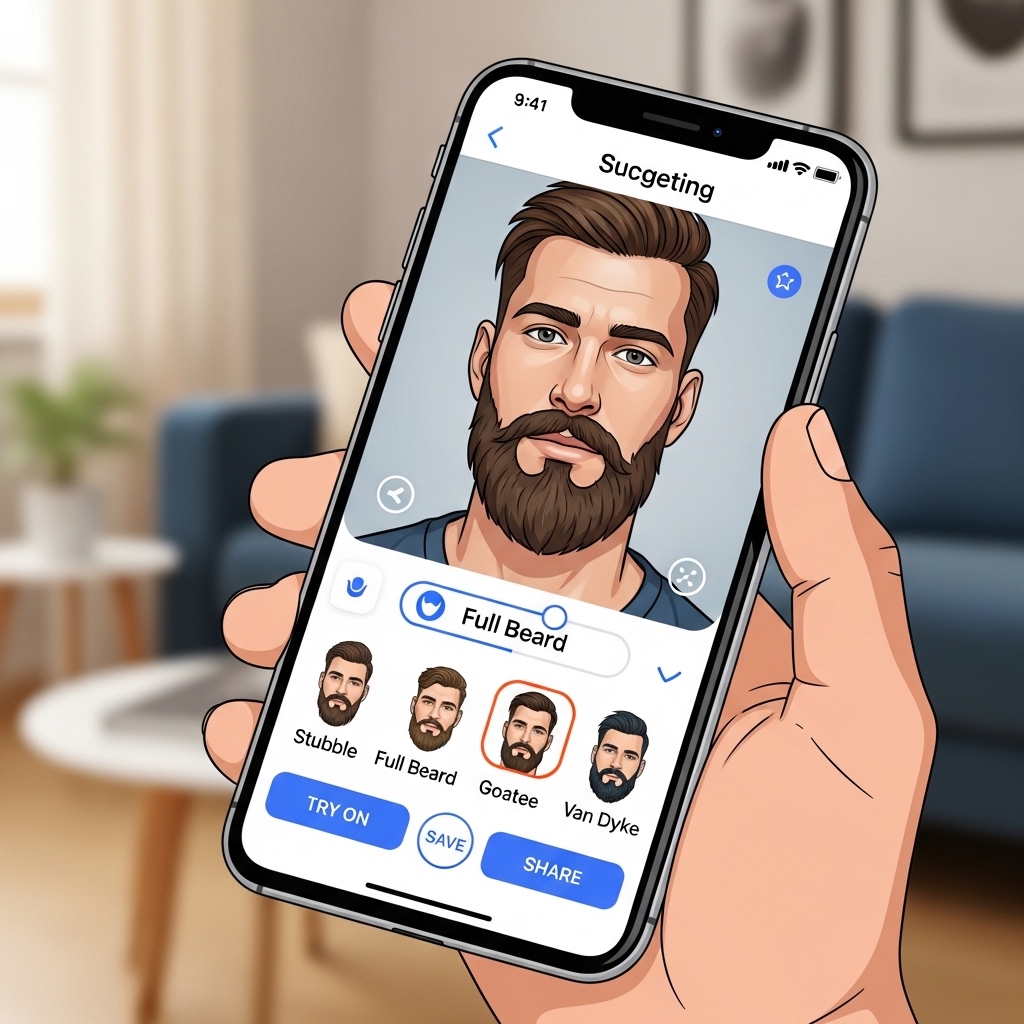
A beard simulator is a specialized application or software that uses facial recognition technology and augmented reality to digitally overlay different beard styles onto your face in real-time or from uploaded photos. These tools have evolved significantly over the past few years, moving from basic photo editing templates to sophisticated AI-powered systems that account for lighting, facial contours, and natural hair growth patterns.
The technology behind modern beard simulators typically involves several key components. First, facial mapping algorithms identify specific landmarks on your face—your jawline, chin, cheeks, and mouth. Then, the software applies realistic beard textures that adapt to your facial structure, creating a convincing preview of how each style would actually look on you.
Most advanced simulators also consider factors like beard density, color matching based on your existing hair, and even simulate different grooming levels from freshly trimmed to slightly unkempt. This level of detail makes the preview remarkably accurate, giving you genuine confidence in your styling decisions.
Why Using a Beard Simulator Before Cutting Is a Game-Changer 💡
Making drastic changes to your facial hair without a preview is essentially a gamble. While barbers can offer suggestions, visualizing the end result beforehand eliminates uncertainty and buyer’s remorse. Beard simulators provide several compelling advantages that make them essential tools for modern grooming.
First and foremost, they save you from costly mistakes. Growing a full beard can take weeks or even months, and discovering that a particular style doesn’t suit you after all that waiting is frustrating. With a simulator, you can experiment with dozens of styles in minutes, narrowing down your options before committing.
These tools also help facilitate better communication with your barber. Rather than trying to describe the look you want with vague terms, you can show them exact reference images generated by the simulator with your own face. This visual reference ensures you’re both on the same page about the desired outcome.
Additionally, beard simulators boost confidence. Many men hesitate to try new styles because they’re unsure how they’ll look. Seeing a realistic preview can either confirm your instincts or steer you toward unexpected options you might never have considered otherwise.
Matching Beard Styles to Your Face Shape: The Essential Guide 📐
Understanding your face shape is fundamental to choosing a flattering beard style. Just as certain hairstyles complement specific face shapes, beard styles can enhance your natural features or create visual balance where needed. Let’s explore the main face shapes and their ideal beard companions.
Oval Face Shape
If you have an oval face, congratulations—you’ve won the facial structure lottery when it comes to beards. This balanced, slightly longer-than-wide shape works well with virtually any beard style. From full beards to goatees, stubble to mutton chops, you have complete freedom to experiment based purely on personal preference rather than structural necessity.
Round Face Shape
Round faces benefit from beards that add length and create the illusion of a more elongated facial structure. Avoid styles that add width to the sides, like mutton chops or excessively bushy cheek coverage. Instead, opt for goatees, Van Dykes, or beards that are fuller on the chin and shorter on the sides. A well-defined chinstrap can also work wonders in creating definition.
Square Face Shape
Square faces feature strong jawlines and angular features. The goal here is to soften those sharp angles while maintaining masculinity. Rounded beard styles like circle beards or short boxed beards work beautifully. Avoid styles that are too angular or geometric, as they’ll emphasize the squareness rather than balance it.
Rectangular or Oblong Face Shape
If your face is noticeably longer than it is wide, you’ll want to avoid adding more length with chin-focused styles. Instead, opt for fuller side growth that adds width to the sides of your face. Friendly mutton chops, full beards with prominent sideburns, or even a well-maintained stubble can create better proportions.
Triangle Face Shape
Triangle faces are wider at the jawline and narrower at the forehead. The strategy here is to add volume to the upper portions of your beard while keeping the jawline area more controlled. Balbo beards, goatees, or any style that draws attention upward toward the cheekbones works exceptionally well.
Diamond Face Shape
Diamond-shaped faces feature prominent cheekbones with a narrower forehead and chin. Beard styles that add fullness to the chin area help balance the overall appearance. A full beard with a rounded bottom or an extended goatee can create the harmony you’re looking for.
Popular Beard Styles You Can Preview with Simulators 🧔
Beard simulators typically offer extensive libraries of styles ranging from classic to contemporary. Understanding the characteristics of popular styles helps you make more informed choices during your virtual experimentation sessions.
The Full Beard: This classic style features complete coverage across the cheeks, jawline, and chin, typically allowed to grow naturally with regular maintenance. It’s masculine, timeless, and works for many face shapes, though it requires patience to grow and commitment to maintain.
The Goatee: Featuring hair only on the chin and sometimes extending to connect with a mustache, the goatee is versatile and requires less maintenance than fuller styles. It works particularly well for round faces, adding length and definition to the chin area.
The Stubble: Short, evenly maintained facial hair that’s longer than a five o’clock shadow but shorter than a full beard. It’s low-maintenance, universally flattering, and adds ruggedness without overwhelming your features. Perfect for beginners or those with patchy growth patterns.
The Van Dyke: This distinctive style combines a goatee with a detached mustache, creating a sophisticated, artistic appearance. It gained fame through historical figures and actors, offering a refined alternative to more common styles.
The Balbo: Similar to a Van Dyke but featuring an inverted T-shape without connecting to the sideburns. The Balbo creates strong visual lines that can dramatically enhance facial structure, particularly for those with softer features.
The Circle Beard: A rounded combination of goatee and mustache that creates a circular appearance around the mouth. It’s clean, professional, and works exceptionally well for square or round face shapes seeking better balance.
The Chinstrap: A thin line of facial hair that follows the jawline from one sideburn to the other, passing along the chin. This style emphasizes and defines your jawline, making it ideal for those wanting to accentuate that feature.
Features to Look for in Quality Beard Simulator Apps 📱
Not all beard simulators are created equal. When choosing an app or tool to help guide your grooming decisions, certain features separate exceptional options from mediocre ones. Here’s what to prioritize in your selection.
Real-time camera functionality allows you to see different beard styles on your face as you move and change expressions. This dynamic preview is far more useful than static photo overlays, giving you a genuine sense of how the style moves with your facial expressions.
Extensive style libraries ensure you have plenty of options to explore. The best simulators offer dozens or even hundreds of beard styles, from contemporary trends to classic looks, complete with variations in length and fullness.
Color customization is essential for realistic previews. Your beard simulator should allow you to match the beard color to your natural hair color or experiment with different shades if you’re considering dyeing your facial hair.
Adjustment controls for density, length, and positioning help fine-tune each style to your specific face. Not everyone’s beard grows the same way, so being able to customize these parameters creates more accurate previews.
Save and compare features let you capture your favorite looks and view them side-by-side, making final decisions easier. This functionality is invaluable when you’re torn between several appealing options.
Social sharing capabilities enable you to get opinions from friends and family before making your decision. Sometimes an outside perspective can confirm your choice or highlight considerations you hadn’t thought about.
Step-by-Step Guide to Using a Beard Simulator Effectively ✅
To get the most accurate and helpful results from your beard simulator experience, follow these practical steps that ensure reliable previews and informed decisions.
Step 1: Take or upload a clear, well-lit photo. Good lighting is crucial for accurate simulation. Take your photo in natural daylight if possible, facing the camera directly with a neutral expression. Avoid shadows across your face, which can interfere with the facial recognition technology.
Step 2: Ensure your face is clearly visible. Remove glasses if possible, pull back any hair that might obscure your jawline or cheeks, and position yourself at an appropriate distance from the camera—not too close, not too far.
Step 3: Start with styles recommended for your face shape. Most advanced simulators can detect your face shape automatically and suggest compatible styles. Begin with these recommendations before branching out to other options.
Step 4: Adjust the parameters. Once you’ve applied a style, fine-tune the color, density, and positioning to match how your actual beard grows. If your facial hair is naturally sparse in certain areas, adjust accordingly for a realistic preview.
Step 5: Try contrasting styles. Don’t just stick to similar looks. Experiment with dramatically different options—you might be surprised by what works. Try a full beard even if you usually prefer goatees, or test a chinstrap if you’ve always worn stubble.
Step 6: Save your favorites. Create a collection of your top choices so you can return to them for comparison. Most simulators allow you to save unlimited previews.
Step 7: Get second opinions. Share your favorites with trusted friends, family, or even your barber. Fresh perspectives can be incredibly valuable in making your final decision.
Beyond Visualization: Additional Benefits of Beard Simulator Technology 🎯
While the primary purpose of beard simulators is helping you preview styles, these tools offer several additional benefits that enhance your overall grooming journey.
Many modern simulators include maintenance guides for each style, providing tips on trimming techniques, required tools, and upkeep schedules. This educational component helps you understand the commitment level each style requires before you grow it.
Some advanced apps also feature growth tracking functionality, allowing you to document your beard’s progress with photos over time. This creates a visual timeline of your journey from clean-shaven to fully bearded, which many users find motivating during the awkward growth phases.
Product recommendations are another valuable feature found in premium simulators. Based on your selected style and beard characteristics, these apps suggest specific grooming products like oils, balms, trimmers, and styling tools that will help you achieve and maintain your chosen look.
Community features in some simulators connect you with other users, creating spaces to share experiences, ask questions, and showcase results. This social aspect adds an engaging dimension beyond the simulation functionality itself.
Common Mistakes to Avoid When Using Beard Simulators ⚠️
Even with advanced technology at your fingertips, certain pitfalls can lead to disappointing results. Avoid these common mistakes to ensure your simulator experience translates successfully to real-world grooming.
Relying on poor-quality photos: Blurry, poorly lit, or angled photos produce unreliable simulations. Always use high-quality, well-lit, straight-on photos for the most accurate previews.
Ignoring your natural growth patterns: Simulators show ideal versions of styles. If your beard grows patchily in certain areas, a style that requires full cheek coverage might not work for you regardless of how good it looks in the simulator.
Forgetting about maintenance reality: That perfectly sculpted Balbo beard looks amazing in the simulator, but are you willing to trim and shape it every few days? Consider the practical maintenance requirements before committing.
Choosing based solely on trends: Just because a style is popular doesn’t mean it’s right for you. Prioritize what complements your features and fits your lifestyle over what’s currently trendy.
Not considering your professional environment: Some workplace cultures are more accepting of bold facial hair than others. Be realistic about what’s appropriate for your professional setting.
Maximizing Your Beard Growth Journey After Choosing Your Style 🌱
Once you’ve used a simulator to select your ideal beard style, the real work begins. Growing and maintaining a beard requires patience, proper care, and realistic expectations about the timeline involved.
Most beards require 2-4 months to reach a length suitable for proper styling, though this varies significantly based on genetics and individual growth rates. During the initial growth phase, resist the urge to trim or shape prematurely. Let your beard grow out fully before attempting to style it to your simulator preview.
Proper nutrition and hydration support healthy beard growth. Proteins, vitamins A, C, and E, and biotin all contribute to stronger, faster-growing facial hair. While supplements can help, a balanced diet is your best foundation for optimal growth.
Regular washing and conditioning keep your beard clean and manageable. Use products specifically formulated for facial hair rather than regular shampoo, which can be too harsh and strip natural oils that keep your beard healthy and soft.
Beard oils and balms are not optional luxuries—they’re essential maintenance products. Oils moisturize both the beard and the skin underneath, preventing itchiness and flaking. Balms provide light hold for styling while also conditioning the hair.
Invest in quality grooming tools including a good beard trimmer with multiple guard lengths, sharp scissors for detailing, and a proper beard comb or brush. These tools are investments in maintaining the style you’ve chosen.
When Simulators Meet Reality: Managing Expectations 🎭
While beard simulators are remarkably accurate, it’s important to maintain realistic expectations about the differences between digital previews and actual results. Understanding these limitations ensures you won’t be disappointed when your real beard doesn’t perfectly match the simulation.
Simulators show idealized versions of beard styles with perfect density and even growth. Your actual beard will have natural variations, potential patches, and unique growth patterns that affect the final appearance. Embrace these individual characteristics rather than viewing them as flaws.
Color variations are common. Your facial hair might be a slightly different shade than the hair on your head, and many men experience multi-tonal beards with different colors in different areas. Simulators typically show uniform color, but real beards are more complex.
Texture also plays a significant role that simulators can’t perfectly replicate. Some men have straight beard hair, others wavy or curly. This dramatically affects how styles look and behave. Your simulator can’t account for whether your beard will lie flat or spring out wildly.
The time investment is another reality check. That full, glorious beard in your simulation might take 4-6 months to achieve in reality. During the growth phase, you’ll pass through less attractive stages that require patience and commitment.
Taking Your Beard Style to the Next Level 🚀
Once you’ve grown and established your chosen beard style, consider these advanced techniques to elevate your facial hair game beyond basic maintenance.
Professional shaping services from experienced barbers can transform a good beard into an exceptional one. While home maintenance is essential, periodic professional grooming sessions ensure your beard maintains its optimal shape and removes any amateur mistakes.
Experiment with styling products to achieve different looks with the same basic beard structure. Waxes can create defined, sculpted shapes, while lighter products maintain natural movement. Learning to style your beard for different occasions adds versatility.
Consider complementary grooming touches like eyebrow maintenance and skincare routines. A well-groomed beard should be part of an overall polished appearance, not an isolated element.
Stay updated on evolving trends while maintaining your personal style. Beard fashion changes gradually, and subtle adjustments can keep your look current without requiring complete style overhauls.
Document your beard journey with regular photos. Not only does this provide useful before-and-after comparisons, but it also creates a personal record of your style evolution that you can reference when considering future changes.
Finding Your Perfect Beard Style Starts Now 🎬
Beard simulators have revolutionized how men approach facial hair styling, removing the guesswork and fear from grooming decisions. These powerful tools combine sophisticated technology with practical functionality, offering risk-free experimentation that helps you discover which beard style truly complements your unique features.
Whether you’re contemplating your first beard, considering a dramatic style change, or simply curious about how different looks might suit you, these simulators provide invaluable guidance. They account for face shape compatibility, allow unlimited experimentation, and help you communicate effectively with barbers about your desired results.
Remember that the simulator is a starting point, not the final word. Your actual beard will have unique characteristics that make it distinctly yours. Embrace those individualities as you work toward the style you’ve previewed, maintaining realistic expectations about growth timelines and natural variations.
The journey from clean-shaven to perfectly styled beard requires patience, proper maintenance, and quality grooming products. But with the confidence that comes from knowing how your chosen style will look before you commit, you’re already several steps ahead in achieving the facial hair look that best represents your personal style and enhances your natural features.
Download a quality beard simulator today and start exploring the possibilities. Your perfect beard style is waiting to be discovered—all you need to do is find it, grow it, and wear it with confidence. 💪
