
Anúncios
Electrical repairs at home can seem intimidating, but with the right manual and guidance, you can handle many tasks safely and confidently, saving time and money.
Understanding electrical systems doesn’t require years of professional training. A comprehensive electrical manual serves as your trusted companion, breaking down complex concepts into manageable steps that anyone can follow. Whether you’re replacing a light switch, installing a ceiling fan, or troubleshooting a circuit breaker, the right knowledge transforms uncertainty into empowerment.
This guide explores how an electrical manual becomes your gateway to practical home maintenance. We’ll uncover essential tricks, safety protocols, and solutions to common electrical problems that homeowners face daily. By the end, you’ll feel equipped to tackle numerous electrical repairs with practicality and, most importantly, safety. ⚡
Why Every Homeowner Needs an Electrical Manual 🏠
The average household experiences electrical issues multiple times per year. From flickering lights to tripped breakers, these problems disrupt daily life and often require immediate attention. Having an electrical manual readily available means you’re prepared to diagnose and potentially fix issues without waiting for professional help.
Modern electrical manuals go beyond basic instructions. They provide visual diagrams, step-by-step procedures, and safety checklists that guide you through each repair process. This resource becomes particularly valuable during emergencies when quick action prevents further damage or safety hazards.
Additionally, understanding your home’s electrical system helps you communicate effectively with electricians when professional intervention becomes necessary. You’ll ask informed questions, understand estimates, and make better decisions about repairs and upgrades.
Essential Safety Precautions Before Any Electrical Work 🛡️
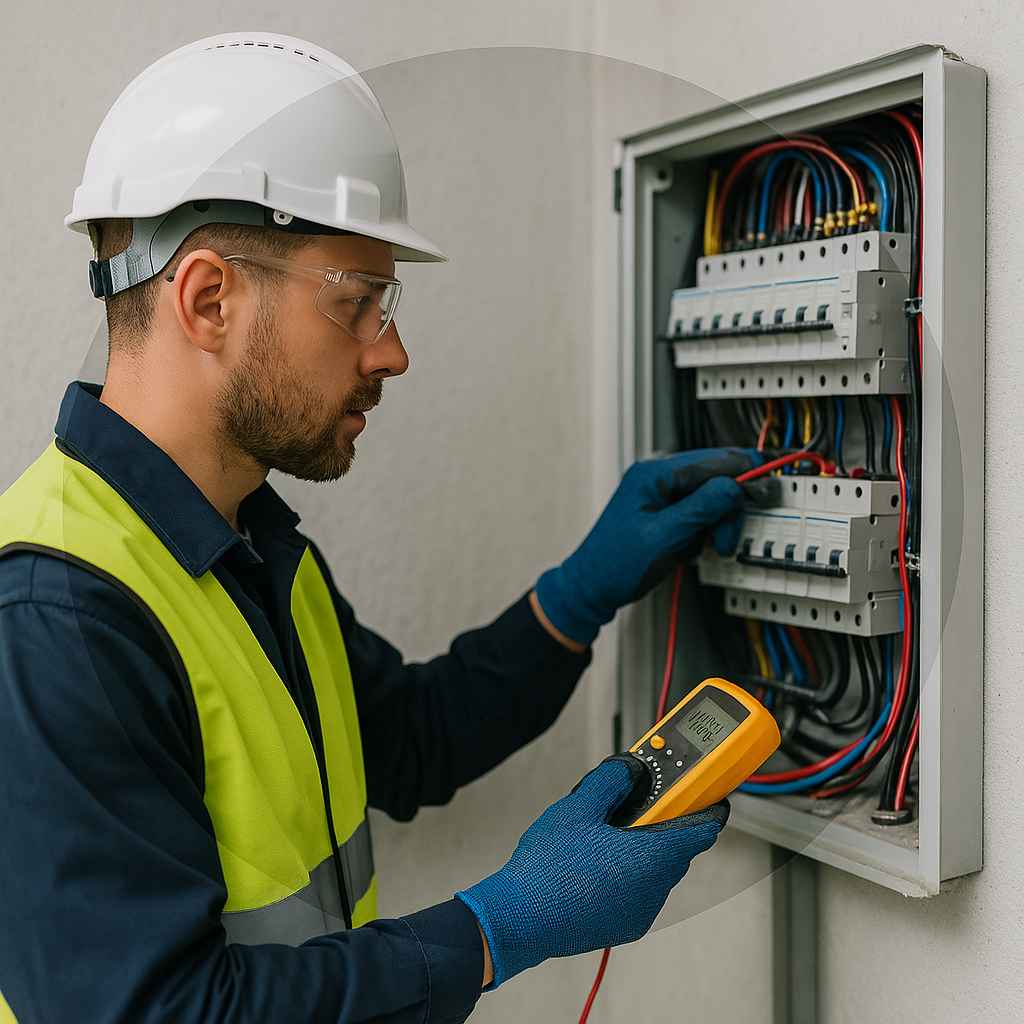
Safety always comes first when working with electricity. Before touching any electrical component, turn off the power at the circuit breaker. This simple step prevents potentially fatal electric shocks and protects your home from short circuits.
Invest in a quality voltage tester to verify that power is truly off before beginning work. These inexpensive tools provide peace of mind and take seconds to use. Never assume a circuit is dead simply because you flipped a switch.
Use equipamentos de proteção individual adequados, incluindo luvas isolantes e óculos de segurança. Sapatos com sola de borracha oferecem proteção adicional, evitando o contato direto com o solo através do corpo. Mantenha a área de trabalho seca, pois a umidade aumenta consideravelmente o risco de eletrocussão.


Creating a Safe Workspace
Clear the area around your electrical project of unnecessary items. Good lighting is essential for seeing wire colors and connection points clearly. Use a headlamp or portable work light to illuminate cramped spaces like junction boxes.
Keep a fire extinguisher rated for electrical fires nearby. Class C extinguishers are specifically designed for electrical equipment and won’t conduct electricity like water-based extinguishers.
Understanding Your Home’s Electrical System ⚙️
Your home’s electrical system consists of several key components working together. The service panel (breaker box) distributes electricity throughout your house via individual circuits. Each circuit serves specific areas or appliances, protected by circuit breakers that trip when overloaded.
Circuits come in different amperages: 15-amp circuits typically serve lighting and outlets in bedrooms and living areas, while 20-amp circuits handle kitchens, bathrooms, and outdoor areas. Large appliances like water heaters and air conditioners often have dedicated 240-volt circuits.
Understanding wire color coding is fundamental. In standard residential wiring, black wires carry live current (hot), white wires are neutral, and green or bare copper wires provide grounding. Never interchange these connections, as doing so creates serious hazards.
Reading Your Circuit Breaker Panel
Each breaker should be clearly labeled indicating which area or appliance it controls. If your panel lacks labels, create a map by systematically turning off breakers while someone confirms which outlets and lights lose power. Document this information clearly for future reference.
Notice the amperage rating on each breaker. This indicates the maximum current the circuit can safely handle. Overloading circuits by plugging in too many devices causes breakers to trip repeatedly, signaling the need for additional circuits or load redistribution.
Common Electrical Repairs You Can Master 🔧
Many household electrical repairs fall within the capability of motivated homeowners. Replacing outlets and switches represents the most common DIY electrical project. These components wear out over time, developing cracks, loose connections, or internal damage that prevents proper function.
When replacing an outlet, photograph the existing wire connections before disconnecting anything. This visual reference prevents confusion during reassembly. Match the new outlet’s voltage and amperage ratings to the old one, and ensure proper grounding for safety.
Replacing Light Fixtures and Ceiling Fans
Light fixture replacement follows straightforward procedures outlined in your electrical manual. After shutting off power, remove the old fixture and note how wires connect. Most fixtures use simple wire nuts to join house wiring to fixture leads.
Ceiling fans require additional mechanical support beyond standard light boxes. Verify that your junction box is rated for fan installation, as fans create dynamic loads that standard boxes cannot safely support. Installing a proper fan-rated box prevents dangerous failures.
Troubleshooting Tripped Breakers
Breakers trip for protective reasons—overloading, short circuits, or ground faults. If a breaker trips once and resets successfully, it likely responded to a temporary overload. Breakers that trip repeatedly indicate underlying problems requiring investigation.
Unplug all devices on the affected circuit before resetting the breaker. Reconnect devices one at a time to identify which item causes the trip. A faulty appliance or damaged cord often reveals itself through this process.
Advanced Techniques from Professional Electricians 💡
Professional electricians use techniques that ensure lasting repairs and optimal performance. One key practice involves creating proper wire connections. Strip only enough insulation to fit securely under terminals—excess bare wire creates shock and short circuit hazards.
When joining wires with wire nuts, twist the wires together clockwise before applying the connector. This creates a mechanical bond that doesn’t rely solely on the wire nut. Tug gently on each wire after connecting to verify secure attachment.
Organizing Wire Bundles Neatly
Inside junction boxes, organized wiring makes future maintenance easier and reduces the risk of accidental disconnection. Fold wires accordion-style rather than cramming them randomly. This technique saves space and prevents stress on connections.
Label wires when working with multiple circuits in the same box. Simple masking tape flags marked with circuit numbers prevent confusion and accidental cross-connections during complex projects.
Tools Every DIY Electrician Should Own 🛠️
Building a basic electrical toolkit doesn’t require significant investment. Start with essential items that handle most common repairs safely and efficiently.
- Voltage tester: Non-contact testers detect live wires without touching them, providing quick safety verification
- Wire strippers: Purpose-built tools remove insulation cleanly without damaging conductors
- Screwdrivers: Both flat and Phillips head in various sizes for different terminal screws
- Needle-nose pliers: Essential for bending wires into proper hooks for terminal connections
- Wire nuts: Assorted sizes to accommodate different wire gauge combinations
- Electrical tape: Insulates connections and provides additional protection
- Flashlight or headlamp: Illuminates dark work areas for clear visibility
- Circuit finder: Identifies which breaker controls specific outlets or fixtures
Quality tools perform better and last longer than budget alternatives. Insulated tools rated for electrical work provide additional safety margins that justify their higher cost.
Interpreting Electrical Diagrams Like a Pro 📊
Electrical manuals contain wiring diagrams that initially appear complex but follow logical conventions. Lines represent wires, with different line styles indicating wire types or voltages. Symbols depict components like outlets, switches, and fixtures.
Start by locating the power source in any diagram, typically shown at the top. Follow the current path through switches and loads (devices that consume electricity) to the neutral return. Understanding this flow helps you visualize how circuits function.
Color coding in diagrams corresponds to actual wire colors. Black lines represent hot wires, white lines show neutrals, and green or bare lines indicate grounds. This consistency between diagrams and real-world installations simplifies practical application.
Applying Diagrams to Real Installations
Compare the diagram to your actual installation before beginning work. Identify each component’s physical location and visualize wire routing. Taking photos of existing installations provides reference points when diagrams seem ambiguous.
Some installations deviate from standard diagrams due to unique circumstances or previous modifications. When encountering unexpected configurations, proceed cautiously and consult additional resources before making changes.

Solving Common Electrical Problems at Home 🔍
Flickering lights often result from loose bulbs or poor connections at the fixture. Tighten bulbs first, and if flickering persists, inspect wire connections inside the fixture and at the switch. Loose connections create resistance that generates heat and causes intermittent contact.
Outlets that don’t work might have tripped GFCI protection upstream. GFCI outlets protect multiple downstream outlets, so a tripped GFCI in the bathroom could affect the bedroom outlet. Locate and reset GFCI outlets throughout your home when troubleshooting dead outlets.
Dealing with Buzzing Switches or Outlets
Buzzing sounds indicate loose connections or damaged components. Turn off power immediately and inspect the device. Tighten all terminal screws and verify that wires are properly seated. Replace any components showing burn marks, melted plastic, or other damage.
Dimmer switches naturally produce slight humming, especially with certain LED bulbs. Excessive noise suggests incompatibility between dimmer and bulb types. Upgrading to LED-compatible dimmers eliminates most buzzing issues.
When to Call a Professional Electrician ☎️
Certain electrical situations exceed DIY capabilities and require licensed professionals. Working inside the main service panel beyond resetting breakers poses serious risks. These panels contain unprotected high-voltage connections that remain energized even when the main breaker is off.
Adding new circuits requires permits and professional expertise. This work involves calculating loads, running cables through walls, and making connections at the service panel—tasks that demand extensive training and experience.
Persistent problems that defy simple diagnosis often indicate complex issues within walls or underground services. Professionals possess specialized equipment like thermal cameras and circuit tracers that locate hidden faults efficiently.
Recognizing Emergency Situations
Call an electrician immediately if you notice burning smells, sparks, or smoke from outlets or switches. These signs indicate dangerous faults requiring immediate professional attention. Meanwhile, shut off power to affected circuits and avoid using them.
Frequent circuit breaker trips despite reducing loads suggest serious overload conditions or deteriorating wiring. A professional evaluation prevents potential fire hazards and ensures your electrical system operates safely.
Upgrading Your Electrical Knowledge Continuously 📚
Electrical codes and best practices evolve regularly. Staying informed through your electrical manual and reputable online resources ensures your knowledge remains current. Many jurisdictions update electrical codes every three years, introducing new safety requirements and installation methods.
Join online communities where DIY enthusiasts and professionals share experiences and advice. These forums provide practical insights not found in manuals, including creative solutions to unique problems and recommendations for tools and materials.
Consider taking local adult education classes in basic electrical work. Hands-on instruction under experienced guidance builds confidence and skills beyond what manuals alone provide. These classes often include current code information specific to your area.
Organizing Your Electrical Manual for Quick Reference 🗂️
A well-organized manual becomes more valuable over time. Add bookmarks or tabs to frequently referenced sections like wire sizing charts, circuit diagrams, and safety procedures. This organization saves precious time during actual repairs when quick reference is essential.
Keep your manual in a consistent, accessible location. Many homeowners maintain theirs in a toolbox or near the circuit breaker panel. Digital versions on smartphones or tablets provide instant access anywhere in the house.
Supplement your manual with personal notes documenting your home’s specific electrical configuration. Record circuit layouts, unusual installations, and completed modifications. These annotations create a customized reference reflecting your actual system.
Practical Money-Saving Tips Through DIY Electrical Work 💰
Professional electricians typically charge between $75 and $150 per hour, with minimum service call fees often around $100. Simple tasks like replacing outlets or switches cost homeowners $150-$300 professionally but only $5-$20 in materials when done yourself.
Over time, DIY electrical skills generate substantial savings. Installing a ceiling fan professionally costs $200-$500, while purchasing the fan and installing it yourself might total $100-$200. Multiply these savings across multiple projects, and the value becomes significant.
Beyond immediate savings, electrical knowledge helps you make informed decisions about upgrade necessity and contractor estimates. Understanding what work actually involves prevents overpaying and ensures you receive quality service when hiring professionals.
Building Confidence Through Progressive Learning 🎯
Begin with simple projects that build foundational skills. Replacing a light switch or outlet provides hands-on experience with basic concepts like wire connections and safety procedures. Success with these projects builds confidence for more complex tasks.
Progress methodically to more challenging projects as your comfort level increases. Each completed repair reinforces skills and introduces new techniques. Document your projects with photos and notes, creating a personal portfolio of accomplishments and lessons learned.
Remember that even experienced electricians occasionally encounter unfamiliar situations. Researching specific problems, consulting multiple resources, and proceeding cautiously demonstrates wisdom rather than weakness. Your electrical manual serves as the foundation, but continuous learning expands your capabilities indefinitely.
Maintaining Your Home’s Electrical System Proactively 🔄
Regular maintenance prevents many common electrical problems. Test GFCI outlets monthly by pressing the test button, which should trip the outlet immediately. If it doesn’t respond, replace the outlet promptly as it may fail to protect against ground faults.
Inspect visible wiring periodically for damage, especially in attics, basements, and garages where exposure to elements and pests creates vulnerabilities. Replace any damaged wire sections or protective conduit to prevent shorts and safety hazards.
Tighten electrical connections annually at outlets and switches that receive heavy use. Repeated plug insertions and switch operations can loosen terminal screws over time, creating resistance that generates heat and accelerates wear.
Embracing Technology in Modern Electrical Repairs 📱
Digital electrical manuals offer advantages over printed versions. Searchable text helps you locate specific information instantly, while video demonstrations clarify complex procedures that static images cannot convey effectively. Many modern manuals include interactive diagrams and troubleshooting wizards that guide you through diagnostic processes.
Smartphone apps complement traditional manuals with calculation tools, code references, and community support. Some apps use augmented reality to overlay wiring diagrams onto actual installations, helping visualize connections before touching any wires.
Online video tutorials supplement written instructions with visual demonstrations. Watching experienced hands perform techniques you’re about to attempt builds confidence and reveals nuances that text descriptions miss. Combine multiple learning resources for comprehensive understanding.
Environmental Benefits of Electrical Competence 🌱
Understanding electricity helps you optimize home energy consumption. Your manual likely includes information about energy-efficient lighting, proper appliance circuits, and power management strategies. Implementing these practices reduces utility bills while minimizing environmental impact.
DIY electrical skills enable you to install energy-saving devices like programmable thermostats, LED lighting systems, and smart power strips. These upgrades pay for themselves through reduced energy consumption while supporting sustainability goals.
Properly maintained electrical systems operate more efficiently than neglected ones. Tight connections minimize resistance losses, correctly sized circuits prevent energy waste, and functioning GFCI protection prevents dangerous ground faults. Your electrical manual guides these maintenance activities that benefit both your wallet and the environment.
Creating a Personal Action Plan for Electrical Mastery 📝
Set realistic goals for developing electrical skills. Perhaps start by thoroughly reading your manual and identifying five simple projects you can complete within three months. Achieving these initial goals creates momentum for tackling more ambitious repairs.
Build your toolkit gradually, purchasing tools as specific projects require them. This approach spreads costs over time and ensures you acquire quality items rather than cheap tools that disappoint. Each tool purchase represents capability expansion and investment in self-sufficiency.
Track your progress and celebrate successes. Maintaining a project log with photos, notes, and lessons learned creates a valuable personal reference while documenting your growing competence. Review this log periodically to appreciate how far you’ve progressed and identify areas for continued development.
With your electrical manual as a trusted guide, you’re now prepared to handle numerous household electrical repairs confidently and safely. Each project completed strengthens your skills and deepens your understanding, transforming electrical work from intimidating mystery to manageable maintenance. Remember that safety always comes first—when in doubt, consult additional resources or call a professional. The journey toward electrical competence begins with a single project, and every successful repair brings greater independence and satisfaction. Your manual provides the knowledge, but your commitment to learning and careful practice transforms that knowledge into practical capability that serves you for years to come.
