

Anúncios
Learning to read is one of the most transformative milestones in a child’s life, and today’s digital tools are reshaping how we support this journey.
Parents and educators everywhere are discovering the powerful impact of literacy apps designed specifically for young learners.
These interactive platforms combine proven teaching methods with engaging gameplay, making the learning process both effective and enjoyable.
Instead of forcing children through repetitive drills, modern literacy applications create immersive experiences that spark curiosity and build confidence.
The right app can transform screen time from a passive activity into an enriching educational adventure.
With features tailored to different learning styles and developmental stages, these digital tools provide personalized pathways that adapt to each child’s unique pace and needs.
Let’s explore how literacy apps are changing the landscape of early education and what makes them such valuable resources for families worldwide.
📱 Why Digital Literacy Tools Matter in Early Education
Traditional literacy instruction has always relied on books, flashcards, and teacher-led lessons.
While these methods remain valuable, digital literacy apps bring something new to the table: instant feedback, adaptive learning paths, and multimedia engagement that captures young attention spans.
Children today grow up surrounded by technology. They intuitively understand how to navigate touchscreens and interactive interfaces before they can tie their shoes.
Literacy apps leverage this natural comfort with digital devices, meeting kids where they already are and transforming their device familiarity into educational advantage.
Research consistently shows that multi-sensory learning experiences create stronger neural connections. When children see letters, hear their sounds, and interact with them through touch, they’re engaging multiple brain regions simultaneously.
This integrated approach accelerates recognition, retention, and real-world application of literacy skills.


🎯 The Science Behind Interactive Learning
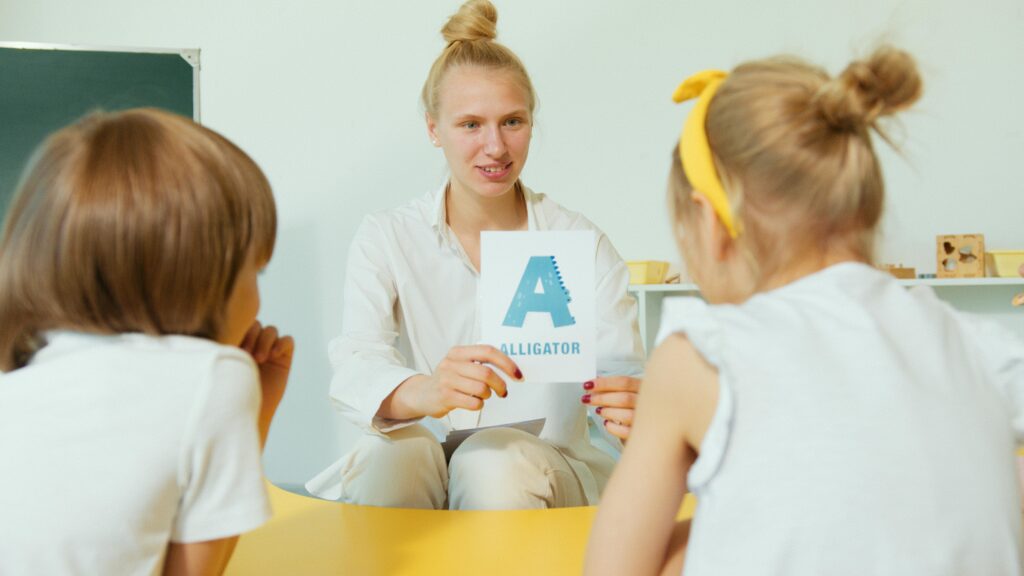
Neuroscience reveals that active participation creates deeper learning than passive observation. When children tap, drag, and manipulate digital elements while learning letters and sounds, they’re not just memorizing—they’re building meaningful cognitive connections.
Gamification elements trigger dopamine release, the brain’s natural reward system. Each small success—completing a level, earning a star, unlocking new content—reinforces positive associations with learning.
This neurochemical response transforms literacy practice from a chore into something children genuinely want to do.
🌟 Key Features That Make Literacy Apps Effective
Not all educational apps deliver equal value. The most effective literacy applications share certain characteristics that distinguish them from simple digital distractions dressed up as learning tools.
Quality literacy apps provide structured progression that mirrors how reading skills naturally develop.
They begin with phonemic awareness—recognizing individual sounds—then advance through letter recognition, phonics, word formation, and eventually reading comprehension.
This scaffolded approach ensures children build solid foundations before tackling more complex skills.
✨ Personalization and Adaptive Learning
Children learn at dramatically different rates. An app that moves too quickly frustrates struggling learners, while one that moves too slowly bores advanced students. The best literacy apps use intelligent algorithms to assess performance and automatically adjust difficulty levels.
This personalization extends beyond simple speed adjustments. Adaptive apps identify specific skill gaps—perhaps a child confuses certain letter sounds or struggles with blending—and provide targeted practice in those exact areas.
This precision impossible to achieve in traditional classroom settings becomes standard in well-designed digital environments.
🎨 Engaging Visual and Audio Design
Young learners respond to bright colors, friendly characters, and clear audio cues.
Effective literacy apps employ professional design that captures attention without overwhelming developing minds. Every visual element serves a purpose, supporting rather than distracting from the core learning objectives.
High-quality narration and sound effects reinforce learning. When children hear correct pronunciation modeled consistently, they internalize proper sounds. Audio feedback celebrates successes and gently corrects mistakes, building confidence while maintaining accuracy.
👨👩👧 Supporting Different Learning Styles and Needs
Every child possesses unique strengths and challenges. Some learn best through visual input, others through auditory channels, and many through kinesthetic interaction. Comprehensive literacy apps accommodate all these learning preferences within a single platform.
Visual learners benefit from colorful letter displays, animated demonstrations, and picture-word associations. Auditory learners thrive with songs, rhymes, and clear pronunciation guides.
Kinesthetic learners engage through touch-based activities that require physical interaction with screen elements.
🌈 Inclusive Design for All Abilities
Children with learning differences often struggle in traditional educational settings. Literacy apps can level the playing field by offering adjustable pacing, customizable interfaces, and alternative presentation methods.
Features like text-to-speech, enlarged fonts, and simplified backgrounds support learners with dyslexia, ADHD, and visual processing challenges.
The privacy and low-pressure environment of app-based learning also benefits children who experience anxiety in group settings. They can practice without fear of peer judgment, making mistakes and trying again in a safe digital space.
📚 Integrating Apps with Traditional Literacy Activities
Digital tools work best when they complement rather than replace traditional literacy experiences. The most successful learning environments blend screen time with physical books, writing practice, and real-world reading opportunities.
Parents can maximize app effectiveness by connecting digital learning to everyday experiences. After practicing letter sounds in an app, point out those same letters on street signs, cereal boxes, or storybook covers.
This bridge between digital and physical reinforces that literacy skills have practical, real-world applications.
⏰ Creating Healthy Screen Time Boundaries
While literacy apps offer tremendous benefits, balance remains essential. Experts recommend limiting total screen time and ensuring digital learning represents just one component of a rich, varied educational experience.
Set consistent schedules that designate specific times for app use. This structure helps children understand that technology serves as a tool rather than an endless entertainment source.
Many apps include built-in timers and parent controls that automatically limit session length, supporting healthy usage patterns.
👪 Empowering Parents as Learning Partners
The most effective literacy apps don’t isolate children with devices—they create opportunities for parent-child collaboration.
Features like progress tracking, detailed reports, and suggested offline activities help parents understand exactly what their children are learning and where they might need additional support.
Co-engagement transforms app time into bonding experiences. Sit with your child, celebrate their achievements, discuss what they’re learning, and show genuine interest in their progress.
This involvement sends powerful messages about the value of education and your investment in their success.
📊 Understanding Progress Reports and Milestones
Quality literacy apps provide comprehensive analytics that reveal patterns invisible during casual observation. You’ll see which letters your child masters quickly, which sounds require more practice, and how overall skills develop over time.
These insights enable targeted support. If reports show difficulty with specific phonics patterns, you can supplement app learning with additional practice using physical materials.
Understanding your child’s learning profile allows you to advocate effectively and make informed decisions about educational strategies.
🚀 Beyond Basic Literacy: Building Lifelong Reading Love
The ultimate goal extends beyond mechanical reading ability. We want to raise children who don’t just can read but who choose to read—who discover joy, comfort, and adventure in books throughout their lives.
Thoughtfully designed literacy apps plant these seeds by making early reading experiences positive and rewarding. When learning to read feels like play, children develop positive associations that endure.
These early victories build confidence that carries into more challenging texts and complex subjects.
🎭 Storytelling and Imagination Development
Many advanced literacy apps incorporate interactive stories that respond to reader choices. These branching narratives transform children from passive consumers into active story participants, deepening engagement and comprehension.
Exposure to diverse stories broadens perspectives and builds empathy. Quality apps feature characters from various backgrounds, family structures, and life experiences, showing children that stories belong to everyone and reflect the beautiful diversity of our world.
🔍 Evaluating and Choosing the Right Literacy App
The app marketplace overflows with options claiming educational benefits. Separating genuinely effective tools from glorified digital babysitters requires careful evaluation and informed decision-making.
Start by checking developer credentials. Look for apps created by educational experts, teachers, or organizations with proven track records in literacy instruction.
Read reviews from other parents and educators, paying special attention to comments about educational value rather than just entertainment appeal.
✅ Essential Questions Before Downloading
Does the app align with established literacy learning progressions? Does it provide meaningful practice across multiple skill areas? Is content appropriate for your child’s current developmental stage? These fundamental questions help narrow choices to genuinely beneficial options.
Consider privacy and safety features. Reputable educational apps protect children’s data, avoid advertising, and prevent unauthorized purchases. Look for certifications from child safety organizations and review privacy policies carefully before allowing your child access.
💡 Maximizing Long-Term Learning Outcomes
Success with literacy apps requires more than installation and occasional use. Consistent practice, strategic implementation, and ongoing adjustment based on your child’s evolving needs create the conditions for meaningful progress.
Establish routines that incorporate app time naturally into daily schedules. Perhaps ten minutes after breakfast or before bedtime becomes dedicated literacy practice.
This consistency helps children internalize learning as a normal, expected part of each day rather than an occasional activity.
Stay involved and attentive to your child’s experience. Notice when they seem frustrated or bored, and be ready to adjust difficulty settings, try different activities within the app, or take breaks when needed.
Your responsive engagement ensures the app continues serving your child’s best interests.
🌱 Celebrating Progress and Maintaining Motivation
Recognition fuels continued effort. Celebrate milestones enthusiastically, whether they’re completing a difficult level, mastering tricky letter sounds, or reading their first complete word independently.
These celebrations create positive emotional memories that sustain motivation through inevitable challenges.
Share achievements with family members, creating a support community that values literacy development.
When grandparents, siblings, and friends acknowledge progress, children internalize that reading matters to people they love—powerful motivation that transcends any app reward system.
🎓 The Future of Literacy Education
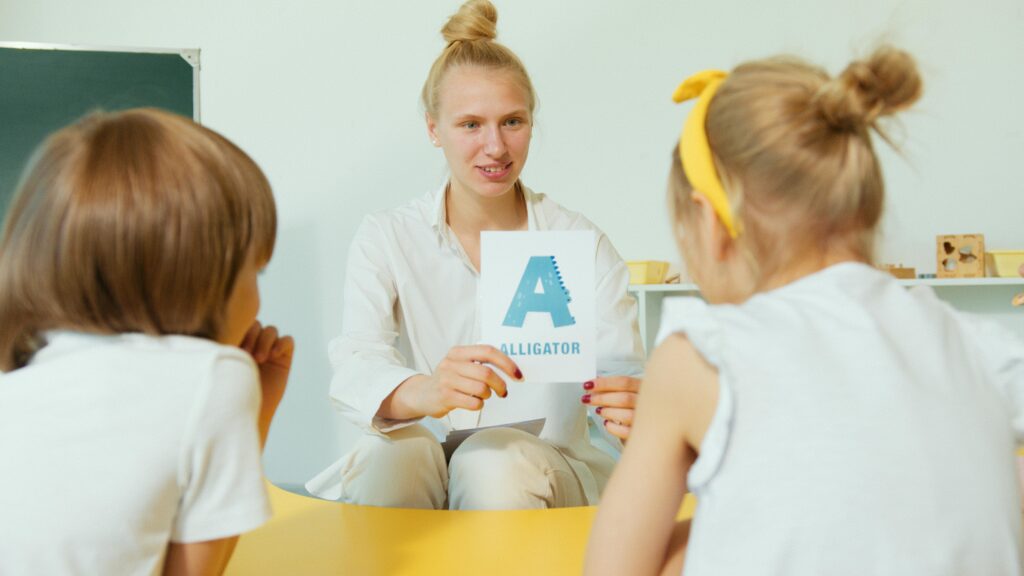
Technology continues evolving at breathtaking speed, and educational applications advance alongside broader digital innovations. Artificial intelligence, augmented reality, and machine learning promise even more personalized, effective literacy instruction in coming years.
Imagine apps that use voice recognition to provide instant feedback on reading accuracy, or augmented reality features that bring story characters into your living room.
These emerging technologies will create increasingly immersive, effective learning experiences that we’re only beginning to explore.
Despite technological advances, fundamental principles remain constant. Children still need supportive adults, diverse reading experiences, and genuine encouragement.
Apps represent powerful tools in our literacy education arsenal, but they work best when embedded within caring relationships and rich learning environments that honor childhood curiosity and joy.
The journey toward literacy shapes not just academic futures but entire life trajectories. Every child deserves access to excellent instruction that recognizes their unique potential and provides pathways to success.
Quality literacy apps democratize this access, placing effective teaching tools in the hands of families everywhere, regardless of location or economic circumstances.
As we navigate this digital age, the question isn’t whether to use technology in literacy education but how to use it wisely.
By selecting quality apps, maintaining balanced approaches, staying engaged as learning partners, and keeping the focus on building confident, enthusiastic readers, we harness digital tools to support one of humanity’s most important developmental achievements—discovering the transformative power of the written word. 📖
