Anúncios
Understanding traffic signs is essential for every driver who wants to navigate roads safely and confidently while reducing risks and stress behind the wheel.
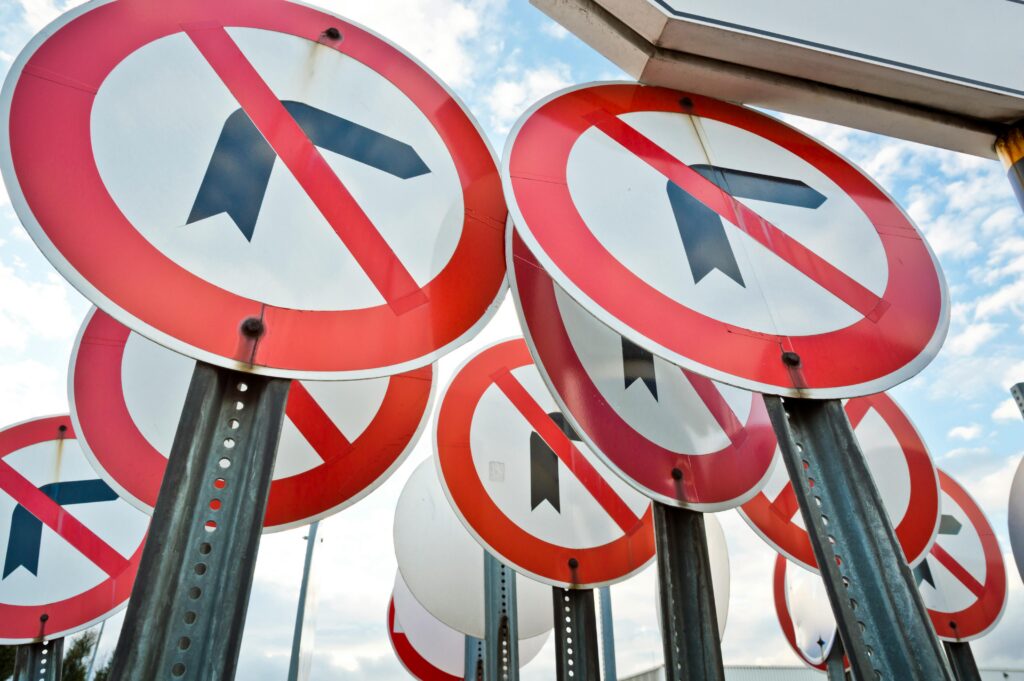


Traffic signs serve as the universal language of the road, communicating critical information to drivers, pedestrians, and cyclists alike. Whether you’re a new driver preparing for your license exam or an experienced motorist looking to refresh your knowledge, mastering traffic sign recognition is a skill that pays dividends every time you get behind the wheel.
The good news is that learning traffic signs doesn’t have to be overwhelming or tedious. With the right methods and consistent practice, you can train your mind to recognize and respond to road signs instinctively. This article explores proven techniques and innovative approaches that will transform how you understand and remember traffic regulations, making you a safer and more confident driver. 🚗
Why Mastering Traffic Signs Matters More Than You Think
Traffic signs aren’t just colorful decorations along the roadside—they’re carefully designed communication tools that prevent accidents and save lives. Every shape, color, and symbol conveys specific information designed to be understood quickly, often in split-second decisions.
When you truly understand traffic signs, you experience numerous benefits that extend beyond simply passing your driving test. Your reaction time improves dramatically because you’re not struggling to interpret what a sign means. You feel less anxious in unfamiliar areas since signs provide consistent guidance regardless of location. Insurance rates may decrease as your driving record remains clean, and you avoid costly tickets for violations you didn’t even realize you were committing.
Perhaps most importantly, comprehensive knowledge of traffic signs makes you a predictable driver—someone other motorists can anticipate and safely navigate around. This mutual understanding creates a safer environment for everyone sharing the road.
The Three Main Categories of Traffic Signs You Need to Know
Traffic signs are organized into three primary categories, each with distinct visual characteristics that help drivers identify them instantly, even from a distance. Understanding these categories provides a solid foundation for learning individual signs.
Regulatory Signs: The Rules You Must Follow ⚠️
Regulatory signs tell drivers what they must or must not do. These signs carry the force of law, meaning ignoring them can result in fines, points on your license, or worse—accidents. They typically feature rectangular or square shapes with black, white, and red color schemes.
Common regulatory signs include stop signs, yield signs, speed limit markers, no entry symbols, and turn restriction indicators. The octagonal stop sign is perhaps the most universally recognized traffic sign worldwide, its unique eight-sided shape ensuring instant recognition even when covered in snow or viewed from difficult angles.
One-way street signs, no parking zones, and lane use control signs also fall into this category. Memorizing these signs should be your top priority since violating them directly contradicts traffic law and significantly increases accident risk.
Warning Signs: Your Advance Notice System 🔶
Warning signs alert drivers to potential hazards or changes in road conditions ahead. These signs give you precious seconds to adjust your speed, change lanes, or increase alertness before encountering the hazard itself.
Most warning signs feature a diamond shape with yellow or orange backgrounds and black symbols or text. Examples include curve ahead warnings, pedestrian crossing alerts, animal crossing notices, slippery road indicators, and construction zone announcements.
The advance notice provided by warning signs is calibrated based on typical travel speeds for that road type. On highways, warning signs appear further in advance than on residential streets, giving drivers appropriate time to respond safely regardless of speed.
Guide Signs: Your Navigation Assistants 🗺️
Guide signs provide directional and mileage information, helping drivers navigate to their destinations efficiently. These signs typically feature rectangular shapes with green backgrounds for highways, blue for services, and brown for recreational areas and points of interest.
Exit numbers, distance markers, route shields, and destination direction signs all belong to this category. While violating guide sign information won’t result in legal penalties, misreading them can lead to missed exits, unnecessary detours, and frustrated passengers.

Proven Memory Techniques That Make Learning Traffic Signs Easy
The human brain excels at remembering information when it’s presented in meaningful patterns and connected to existing knowledge. Applying cognitive science principles to traffic sign learning accelerates the process dramatically and improves long-term retention.
The Color-Shape Association Method 🎨
Your brain processes colors and shapes faster than words or detailed images. Leverage this by consciously connecting sign categories with their characteristic colors and shapes. Create mental shortcuts: “Red means stop or prohibition,” “Yellow diamonds warn me,” “Green rectangles guide me.”
Practice this association during regular drives by calling out the category before reading the specific message: “Warning sign—curve ahead” or “Regulatory sign—speed limit 45.” This technique strengthens the neural pathways connecting visual input to meaning, making recognition increasingly automatic.
Story-Based Learning for Complex Signs 📖
For signs with more complex meanings, create brief stories or scenarios that connect the symbol to its message. If you’re learning a “divided highway ends” sign, visualize yourself driving on a separated highway and seeing the median disappear, requiring you to pay extra attention to oncoming traffic.
These narrative connections transform abstract symbols into memorable experiences. Your brain evolved to remember stories far better than isolated facts, so exploit this advantage. The more vivid and personal you make these mental stories, the stronger the memory becomes.
Spaced Repetition: The Science-Backed Learning Hack ⏰
Spaced repetition involves reviewing information at increasing intervals over time. Instead of cramming all traffic signs in one marathon session, study them in shorter sessions spread across several days or weeks. Review the signs you learned today again tomorrow, then three days later, then a week later.
This approach takes advantage of how memory consolidation works in the brain. Each review session strengthens the memory trace while preventing the frustration of forgetting material you thought you’d mastered. Modern learning apps often incorporate spaced repetition algorithms automatically, removing the need to manually schedule reviews.
Interactive Training Methods That Accelerate Your Learning
Passive reading about traffic signs produces limited results compared to active engagement. The most effective learning happens when you test yourself, make mistakes in safe environments, and receive immediate feedback on your performance.
Mobile Quiz Applications: Learning in Your Pocket 📱
Specialized mobile applications transform traffic sign learning into engaging, game-like experiences you can enjoy during commutes, lunch breaks, or any spare moment. These apps typically feature thousands of traffic sign questions organized by category and difficulty level.
The best applications include realistic images of signs as they appear in actual driving conditions—sometimes partially obscured, viewed from angles, or in various weather conditions. This practical approach prepares you for real-world recognition rather than perfect textbook images.
Many apps track your progress, identify weak areas, and adapt question difficulty based on your performance. This personalized approach ensures you spend time on signs you find challenging rather than repeatedly reviewing material you’ve already mastered.
Virtual Reality Driving Simulations 🕹️
For learners with access to VR technology, driving simulations provide incredibly immersive practice environments. These systems place you in realistic driving scenarios where you must recognize and respond to traffic signs while managing other driving tasks.
The multitasking element makes VR training particularly valuable. Real driving requires simultaneous attention to signs, other vehicles, pedestrians, road conditions, and vehicle operation. VR simulations replicate this complexity in ways that flashcards or quizzes cannot, building the divided attention skills essential for safe driving.
Real-World Observation Exercises 👀
Transform every car trip into a learning opportunity by actively identifying traffic signs you encounter. As a passenger, call out signs before the driver would need to respond to them. Note signs you don’t recognize and research them later.
Create a traffic sign journal where you sketch or photograph unfamiliar signs and record their meanings. This active documentation process significantly enhances retention compared to passive observation. You might discover regional sign variations or specialized signs relevant to your specific driving environment.
Common Traffic Sign Mistakes Even Experienced Drivers Make
Even drivers with years of experience sometimes misinterpret traffic signs or develop bad habits that compromise safety. Recognizing these common errors helps you avoid them and maintain proper sign awareness throughout your driving life.
Confusing Similar-Looking Signs
Several sign pairs look remarkably similar but convey different meanings. The “no parking” and “no stopping or standing” signs differ only in the number of lines crossing the circle, yet violating the stricter prohibition carries heavier penalties. The “yield” and “stop” signs both involve giving right-of-way but require different actions.
Create comparison charts highlighting the differences between commonly confused signs. Study these pairs together rather than in isolation, explicitly noting the distinguishing features. This comparative approach helps your brain notice and remember the critical differences.
Ignoring Supplemental Plaques
Many traffic signs include smaller supplemental plaques below the main sign that modify its meaning—specifying times, distances, vehicle types, or conditions when the sign applies. A “no parking” sign with a “2-6 PM” plaque below it allows parking outside those hours, but drivers who miss the supplemental information risk tickets.
Train yourself to scan for supplemental information whenever you see a regulatory sign. Make it a habit to look below every major sign for additional context that might change how you should respond.
Speed Limit Complacency 🚦
Many drivers develop a casual relationship with speed limit signs, either ignoring them entirely or following other traffic rather than posted limits. This approach creates problems when driving in unfamiliar areas where enforcement may be stricter or when road conditions make posted speeds genuinely necessary for safety.
Treat speed limit signs as baseline information that you adjust based on conditions. The posted limit represents the maximum safe speed under ideal conditions—reduce speed when weather, visibility, or traffic conditions deteriorate.
Building Confidence Through Systematic Practice Routines
Confidence behind the wheel comes from competence, and competence develops through deliberate, systematic practice. Creating a structured learning routine ensures steady progress and prevents the discouragement that comes from unfocused, inefficient study.
The 15-Minute Daily Practice Protocol
Commit to just 15 minutes of focused traffic sign practice daily. This manageable time commitment fits into any schedule while providing enough exposure to build genuine expertise over weeks and months. Consistency matters far more than marathon study sessions.
During your 15 minutes, rotate through different practice modes: visual recognition quizzes, scenario-based questions, and review of signs you previously missed. This variety keeps practice engaging while developing different aspects of sign knowledge.
Progressive Difficulty Challenges 📈
Start with the most common, essential signs and gradually progress to specialized or rare signs. Attempting to learn everything simultaneously creates confusion and frustration. A tiered approach builds confidence through early success while eventually achieving comprehensive knowledge.
Set specific milestones: “Master all regulatory signs by week two,” “Complete all warning signs by week four,” “Learn all guide signs by week six.” These concrete goals provide motivation and a clear sense of progress.
Accountability and Testing Schedules ✅
Schedule regular self-tests or practice with a study partner who can quiz you. Knowing you’ll be tested creates healthy pressure that enhances focus during study sessions. The testing itself strengthens memory through the retrieval practice effect—the act of recalling information makes it more accessible in the future.
If you’re preparing for an official exam, simulate test conditions periodically. Set a timer, eliminate distractions, and complete a full-length practice test. This approach reduces test anxiety while identifying areas needing additional review before the actual exam.
How Traffic Sign Knowledge Enhances Your Overall Driving Skills
Understanding traffic signs creates ripple effects throughout your driving abilities, improving skills that initially seem unrelated to sign recognition. This comprehensive improvement makes the investment in learning traffic signs even more valuable.
Improved Situational Awareness
Actively scanning for and interpreting traffic signs trains your visual attention system to constantly monitor the driving environment. This heightened awareness extends beyond signs to include other vehicles, pedestrians, road conditions, and potential hazards.
Drivers who excel at sign recognition typically notice other important details sooner, giving them more time to respond safely. This expanded awareness bubble surrounding your vehicle represents one of the most important factors separating safe drivers from accident-prone ones.
Better Decision-Making Under Pressure 🧠
When traffic sign meanings are deeply ingrained, your brain processes them automatically without conscious effort. This automaticity frees mental resources for higher-level decision-making about route selection, hazard response, and interaction with other road users.
Drivers struggling to interpret signs experience cognitive overload more easily, leading to delayed reactions, poor decisions, and increased stress. Mastering signs removes this burden, making driving feel smoother and more manageable even in complex traffic situations.
Increased Confidence in Unfamiliar Areas 🌍
Strong traffic sign knowledge provides a safety net when driving in new cities, states, or countries. While some regional variations exist, core traffic sign principles remain remarkably consistent across jurisdictions. Your sign literacy allows you to navigate confidently even when you don’t know the specific area.
This confidence encourages beneficial exploration and reduces the anxiety many people feel about driving in unfamiliar territory. Whether relocating for work, traveling for pleasure, or simply running errands in a new neighborhood, your traffic sign expertise ensures you can handle the journey safely.
Maintaining Your Traffic Sign Knowledge Over Time
Learning traffic signs isn’t a one-time accomplishment—it requires periodic maintenance to prevent knowledge decay. Fortunately, keeping your skills sharp requires minimal effort once you’ve built a solid foundation.
Monthly Refresher Sessions
Schedule brief monthly review sessions where you quiz yourself on traffic signs, focusing particularly on less common signs you don’t encounter regularly. These refreshers prevent the gradual forgetting that naturally occurs with information we don’t use frequently.
Many learning apps send reminders and automatically schedule these review sessions, making maintenance nearly effortless. Even just five minutes monthly significantly reduces knowledge decay compared to no review at all.
Stay Current With Traffic Law Updates 📰
Traffic regulations and sign designs occasionally change as transportation departments adopt new standards or address emerging safety concerns. Subscribe to your local motor vehicle department’s updates or follow transportation safety organizations to learn about new signs or regulation changes.
When you encounter an unfamiliar sign, research it promptly rather than guessing its meaning. This curiosity-driven learning ensures your knowledge remains current and comprehensive throughout your driving life.
Transform Your Driving Experience Starting Today
The journey to traffic sign mastery begins with a single step—commitment to learning. The methods outlined in this article provide a proven roadmap, but success ultimately depends on your willingness to practice consistently and engage actively with the material.
Start today by choosing one learning method that appeals to you. Download a quiz app, create flashcards, or simply begin paying closer attention to signs during your daily drives. Small actions compound into significant expertise over time.
Remember that every expert driver was once a beginner who felt overwhelmed by the variety and complexity of traffic signs. The difference between them and less skilled drivers isn’t innate talent—it’s simply the decision to learn systematically and practice consistently.
Your future self will thank you for the investment you make today in traffic sign knowledge. Fewer tickets, reduced insurance costs, greater confidence, enhanced safety, and decreased driving stress are just some of the rewards awaiting you. The road ahead is clearer when you understand the signs guiding your journey. 🚗✨
