
Anúncios
Rediscover the Music That Shaped Your Journey
Music has an extraordinary power to transcend time and space, connecting us to moments we thought were forgotten. A simple melody can transport you back to your first dance, your summer road trip, or that rainy afternoon when everything changed. The sound that marked your history isn’t just notes and lyrics—it’s a time capsule of emotions, memories, and the person you were becoming.
Every generation has its soundtrack, those defining songs that become the backdrop to our most important life chapters. Whether it’s the rebellious rock of the 60s, the disco fever of the 70s, the synth-pop revolution of the 80s, or the grunge and hip-hop explosion of the 90s, these musical eras didn’t just entertain us—they shaped our identity and continue to influence who we are today. 🎵
The Emotional Architecture of Musical Memory
Our brains are wired to attach music to memories in ways that other stimuli simply cannot replicate. Neuroscientists have discovered that music activates more regions of the brain simultaneously than almost any other human experience. The hippocampus, which governs memory formation, works in tandem with the amygdala, our emotional processing center, creating powerful associations that can last a lifetime.
When you hear that song from your high school prom, it’s not just the melody you’re experiencing. Your brain retrieves the entire contextual package: the smell of the gymnasium, the nervousness in your stomach, the touch of your date’s hand, and the hope you felt for the future. This phenomenon, known as “music-evoked autobiographical memory,” explains why certain songs can make us cry, smile, or feel inexplicably nostalgic decades after we first heard them.
Why Certain Decades Hold Special Significance
There’s a psychological concept called the “reminiscence bump” that explains why music from our teenage years and early twenties holds such profound significance. During this formative period, we’re experiencing many things for the first time—first love, first heartbreak, first taste of independence—and the music playing during these experiences becomes permanently encoded with heightened emotional intensity.
This is why someone who came of age in the 1980s might feel a rush of emotion hearing “Sweet Child O’ Mine” by Guns N’ Roses, while a 90s teenager might have the same reaction to Nirvana’s “Smells Like Teen Spirit.” These weren’t just popular songs; they were the anthems of identity formation during our most impressionable years.
The Golden Eras: Decades That Defined Generations
The Revolutionary 1960s: Freedom Through Sound 🎸
The 1960s represented a seismic shift in musical history. The Beatles transformed pop music from simple love songs into sophisticated artistic expressions. Bob Dylan brought poetic depth to folk and rock. The Rolling Stones introduced a rawer, more rebellious edge. Meanwhile, Motown was breaking down racial barriers with its irresistible blend of soul, pop, and R&B.
This decade gave us music that challenged the status quo, questioned authority, and celebrated freedom in all its forms. From Woodstock to the British Invasion, the 60s created a template for using music as a vehicle for social change and personal expression that influences artists to this day.
The Groovy 1970s: Diversity and Innovation ✨
The 1970s might be the most musically diverse decade in modern history. Disco dominated dance floors with the Bee Gees and Donna Summer. Punk rock exploded with the Sex Pistols and The Ramones. Progressive rock reached new heights with Pink Floyd and Yes. Meanwhile, funk, reggae, and early hip-hop were establishing themselves as powerful new forces.
This was also the era of the album as an art form. Concept albums like “The Dark Side of the Moon” and “Rumours” weren’t just collections of songs—they were complete artistic statements meant to be experienced from beginning to end, something that’s become increasingly rare in today’s single-track streaming culture.
Listen Now
The Electric 1980s: The Synth Revolution 🎹
The 1980s brought technological innovation to the forefront of music creation. Synthesizers, drum machines, and digital production techniques created sounds that had never been heard before. MTV launched in 1981, making the visual presentation of music just as important as the audio, giving us iconic videos from Michael Jackson, Madonna, and Duran Duran.
This decade perfected the art of the catchy hook, the power ballad, and the arena rock anthem. Bands like U2, Journey, and Bon Jovi filled stadiums while Prince, Whitney Houston, and George Michael dominated the charts. The 80s proved that music could be both commercially massive and artistically innovative.
The Alternative 1990s: Authenticity Returns 🎤
The 1990s began with a rejection of the 80s’ glossy excess. Grunge, led by Nirvana, Pearl Jam, and Soundgarden, brought raw emotion and authentic expression back to rock music. Hip-hop moved from the underground to mainstream dominance with artists like Tupac, Notorious B.I.G., and Wu-Tang Clan.
This decade also saw the rise of alternative rock, Britpop, electronic dance music, and the boy band phenomenon. The 90s celebrated musical diversity while maintaining a thread of authenticity and emotional honesty that resonated with a generation seeking substance over style.
How Music Shapes Personal Identity
The music that marks your history doesn’t just reflect who you were—it actively participated in creating who you became. Adolescents use music as a tool for identity exploration, trying on different personas and worldviews through the artists they listen to. A teenager exploring punk rock is experimenting with rebellion and non-conformity. Someone discovering jazz is engaging with sophistication and improvisation.
Music also serves as a social bonding mechanism. The bands you loved in high school connected you to friends, romantic partners, and communities of like-minded individuals. Concert experiences created shared memories and inside jokes. Mix tapes (or later, playlists) became love letters and friendship declarations.
The Soundtrack of Life’s Major Moments
Think about your life’s most significant moments, and there’s likely a song attached to each one:
- The song playing during your first kiss
- Your wedding dance or the song that reminds you of your spouse
- The anthem you and your friends screamed during road trips
- The ballad that helped you through heartbreak
- The empowering track that got you through difficult times
- The lullaby you sang to your children
- The song that was playing when you got life-changing news
These musical moments become the chapters of our personal narrative, helping us make sense of our journey and providing continuity between our past and present selves.
Reconnecting With Your Musical Past 🎧
In our modern streaming era, we have unprecedented access to virtually every song ever recorded. This presents both an opportunity and a challenge. While we can instantly revisit the music that shaped our history, we can also become overwhelmed by infinite choice, constantly seeking the next new thing rather than deepening our relationship with music that truly matters to us.
The Power of Intentional Listening
There’s tremendous value in creating dedicated time to revisit your musical past with intention. Rather than having music as constant background noise, try these approaches:
- Album listening sessions: Set aside time to listen to a meaningful album from start to finish without distractions
- Memory journaling: Play songs from different periods of your life and write about the memories they evoke
- Decade themes: Dedicate days or weeks to immersing yourself in specific musical eras
- Share with others: Introduce younger generations to the music that shaped you, explaining why it mattered
- Live experiences: Attend concerts by artists from your formative years, even if they’re nostalgia tours
The Science of Musical Nostalgia
Nostalgia has been misunderstood as mere sentimentality or living in the past, but recent psychological research reveals it serves important psychological functions. Musical nostalgia can boost mood, increase social connectedness, enhance meaning in life, and even provide comfort during transitions and uncertainty.
When you listen to music from your past, you’re not escaping the present—you’re integrating your history into your current identity. This creates a sense of continuity and wholeness that’s essential for psychological well-being. It reminds you of who you’ve been, helps you appreciate how far you’ve come, and reinforces the core aspects of your identity that remain constant despite life’s changes.
Therapeutic Applications of Musical Memory
Music therapy increasingly uses familiar music to help patients with dementia, depression, and anxiety. Even when other memories fade, musical memories often remain intact, providing a bridge to lost parts of the self. For dementia patients, hearing songs from their youth can temporarily restore clarity, personality, and connection.
This isn’t just true for clinical populations. Anyone experiencing stress, transition, or disconnection can benefit from revisiting their musical touchstones. A difficult day at work might be transformed by your favorite 80s power ballad. Anxiety about the future might be eased by the grounding comfort of songs from simpler times.
Creating New Musical Memories While Honoring the Past
While the music that marked your history will always hold special significance, remaining open to new musical experiences enriches your ongoing life story. The key is finding balance between honoring your musical roots and allowing space for discovery and growth.
Many people fall into the trap of believing that “music was better back then” and closing themselves off to contemporary artists. While it’s natural to have strong attachments to the music of your formative years, this attitude can prevent you from creating new meaningful musical memories and connecting with younger generations through shared current musical experiences.
Bridging Generations Through Music 🌟
One of music’s most beautiful qualities is its ability to connect people across age gaps. Sharing the music that shaped you with children, grandchildren, younger colleagues, or friends creates opportunities for deeper understanding and connection. Likewise, allowing them to introduce you to their current favorites opens windows into their world and keeps you culturally engaged.
Many contemporary artists explicitly draw from and pay homage to earlier eras. Understanding these connections enriches appreciation for both old and new. When you hear Bruno Mars channeling 80s funk or Greta Van Fleet drawing from 70s rock, you’re witnessing the ongoing conversation between musical generations.
Preserving and Celebrating Your Musical Legacy
The music that marked your history deserves to be preserved and celebrated, not just in your memory but in tangible ways that can be shared and passed down. Consider these approaches to honoring your musical journey:
- Curated playlists: Create themed collections that tell the story of different life periods
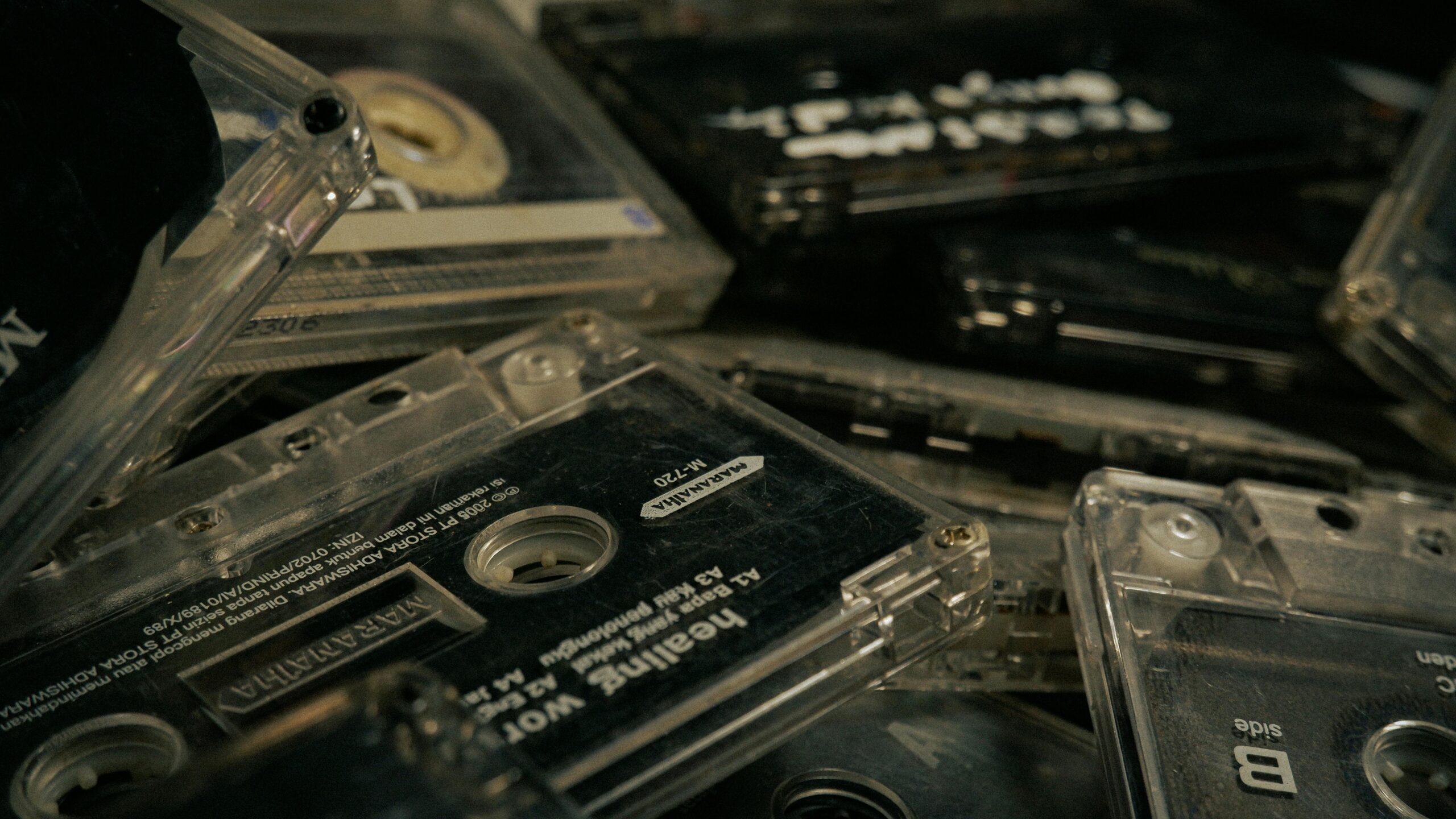
- Physical media: Maintain or rebuild collections of vinyl, CDs, or cassettes that have personal significance
- Concert memorabilia: Display ticket stubs, posters, and photos from meaningful musical experiences
- Written narratives: Document the stories behind why certain songs or albums matter to you
- Video journals: Record yourself talking about influential music for future generations
- Musical traditions: Establish family or friend group rituals around certain songs or albums
The Universal Language of Personal Soundtracks
What makes music so powerful is its universal accessibility combined with deeply personal meaning. The same song might appear on millions of people’s playlists, yet each person brings their own unique story, memories, and emotional associations to it. This creates a beautiful paradox: music connects us through shared experience while simultaneously honoring our individual journeys.
The sound that marked your history is both deeply personal and part of a larger cultural tapestry. Your favorite 70s disco track was also someone’s wedding song, someone else’s graduation celebration, and another person’s soundtrack to finding themselves. This web of interconnected personal meanings gives music its enduring cultural power.
Finding Your Soundtrack in the Digital Age 📱
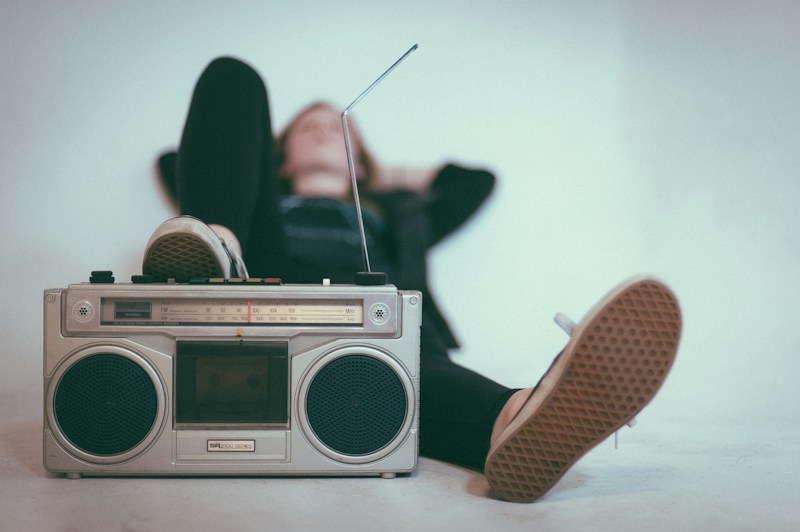
Today’s streaming platforms and radio apps offer unprecedented access to decades of musical history. You can instantly transport yourself to the 60s, 70s, 80s, or 90s with a simple search or playlist selection. Specialized radio stations and curated channels dedicated to specific eras make it easier than ever to immerse yourself in the sounds that shaped you.
These digital tools also enable discovery of songs you might have forgotten or never heard during their original release. Algorithm-driven recommendations based on your favorite classic tracks can introduce you to deep cuts and lesser-known artists from your preferred era, enriching your understanding of the musical landscape that shaped you.
The ability to create and share playlists means your musical legacy can be easily transmitted to others. You can gift someone a carefully curated collection that tells your story, shares your taste, or introduces them to an era they didn’t experience firsthand.
Your Musical Story Continues
The sound that marked your history isn’t frozen in time—it evolves as you do. Songs take on new meanings as you experience them from different life stages. That carefree summer anthem from your youth might now evoke wistful nostalgia. The heartbreak ballad you once cried to might now remind you of resilience and growth. Music grows with you, accumulating layers of meaning across your lifetime.
Every time you revisit an old favorite, you’re not just remembering who you were—you’re honoring the entire arc of your journey. You’re acknowledging that the person who first heard that song and the person you are now are connected by an unbroken thread of identity, experience, and the soundtrack that accompanied it all.
The music that shaped you is more than entertainment or background noise. It’s the emotional architecture of your life, the mnemonic device for your most important memories, and the common language that connects you to others across time and space. Whether it’s the revolutionary sounds of the 60s, the groovy innovations of the 70s, the electric energy of the 80s, or the authentic expressions of the 90s, your musical history is worth celebrating, preserving, and sharing. 💫
So take a moment today to reconnect with the sounds that marked your history. Listen with intention, remember with gratitude, and let those timeless melodies remind you of the beautiful journey you’ve traveled and the person you’ve become along the way.
