Anúncios
Are you tired of paying for cable or streaming bundles packed with channels you never watch? You’re not alone—millions are cutting the cord and finding smarter ways to enjoy their favorite content.
The traditional television model was built on bundling—forcing consumers to purchase hundreds of channels just to access the handful they actually care about. This outdated system has frustrated viewers for decades, but modern technology has finally provided viable alternatives.
With the rise of digital streaming, free-to-air apps, and on-demand platforms, there’s never been a better time to rethink how you consume entertainment. Let’s explore why you should stop overpaying for channels gathering digital dust and discover how to take control of your viewing experience. 📺
Why Traditional Cable Packages No Longer Make Sense
Cable television packages were designed in an era when content distribution was limited and expensive. Providers bundled channels together to maximize profits, knowing customers had few alternatives. This business model thrived for decades but has become increasingly disconnected from how modern viewers consume content.
Research shows that the average cable subscriber pays for over 200 channels but regularly watches fewer than 20. That means you’re essentially subsidizing content you’ll never consume. With monthly cable bills often exceeding $100, the financial waste becomes significant over time.
The rigid structure of cable packages also conflicts with today’s on-demand lifestyle. Viewers want to watch what they want, when they want, on the device they want. Traditional cable forces you into scheduled programming and location-specific viewing, which feels archaic in the streaming era.
The Hidden Costs Beyond Your Monthly Bill 💰
Cable bills are notorious for hidden fees and surprise charges. Equipment rental fees, regional sports surcharges, broadcast TV fees, and administrative costs can add $20-40 to your advertised rate. These additional charges are rarely transparent during the signup process.
Furthermore, promotional rates typically expire after 12-24 months, causing your bill to jump dramatically. Many consumers find themselves locked into long-term contracts that penalize early cancellation, creating a frustrating trap that’s expensive to escape.
Understanding Your Actual Viewing Habits
Before making any changes to your entertainment setup, it’s essential to conduct an honest audit of what you actually watch. Spend a week tracking every channel and program you view. You’ll likely discover that your viewing habits are far narrower than you realized.
Most households have a core group of 10-15 channels or specific programs they genuinely enjoy. These might include local news, sports networks, a few entertainment channels, and perhaps some children’s programming. Everything else in your cable package serves no practical purpose for your household.
Once you identify your essential content, you can explore targeted solutions that deliver exactly what you need without the bloat. This focused approach not only saves money but also simplifies your viewing experience by eliminating endless scrolling through irrelevant options.
The Streaming Revolution Has Arrived 🚀
Streaming services have fundamentally transformed the entertainment landscape. Unlike traditional cable, most streaming platforms operate on a subscription model that lets you pay only for specific content libraries that interest you.
Major streaming services like Netflix, Amazon Prime Video, Disney+, and HBO Max offer vast content libraries for a fraction of cable costs. You can subscribe to multiple services and still spend less than half of a typical cable bill while gaining access to thousands of shows and movies.

The flexibility of streaming subscriptions is another major advantage. Unlike cable contracts, you can cancel and restart services anytime without penalties. This allows you to rotate subscriptions based on available content, further maximizing value.
Free Over-the-Air Television: The Forgotten Alternative
Many consumers have forgotten that high-quality broadcast television is available completely free with a simple antenna. Major networks like ABC, CBS, NBC, Fox, and PBS broadcast in full HD over public airwaves, accessible to anyone with basic equipment.
Modern digital antennas are compact, affordable, and capable of receiving crystal-clear signals from dozens of channels depending on your location. For viewers primarily interested in news, sports, and popular network programming, an antenna might provide everything needed at zero monthly cost.
Beyond traditional antennas, digital apps now provide access to live broadcast television on smartphones, tablets, and smart TVs. These applications stream local channels and national networks directly to your devices, combining the convenience of streaming with the cost-effectiveness of free broadcast content.
Local News and Sports Without the Cable Bill 📡
Two of the most common reasons people maintain cable subscriptions are local news and live sports. However, both are increasingly available through alternative methods that cost significantly less.
Local news stations typically offer free streaming on their websites and mobile apps, providing the same content you’d watch on cable. Many have developed robust digital platforms that include live broadcasts, on-demand clips, and breaking news alerts.
For sports enthusiasts, dedicated streaming services like ESPN+, DAZN, and league-specific apps offer comprehensive coverage at a fraction of cable sports package costs. Major sporting events are often broadcast on free networks, making them accessible through antenna or streaming apps.
Building Your Custom Entertainment Solution
Creating a personalized entertainment setup tailored to your specific needs is simpler than many people realize. Start by identifying your must-have content categories: news, sports, movies, specific TV series, or children’s programming.
Next, research which platforms or services provide that content. Many streaming services offer free trials, allowing you to test before committing. This experimental approach helps you discover the optimal combination of services without overspending.
A typical cord-cutting setup might include a digital antenna for local channels, one or two streaming subscriptions for on-demand content, and a sports-specific service if needed. This combination typically costs $30-50 monthly—less than half the average cable bill—while providing superior flexibility and content quality.
Smart Devices Make the Transition Seamless 📱
Modern streaming devices like Roku, Amazon Fire TV, Apple TV, and Chromecast make accessing diverse content sources incredibly simple. These devices consolidate multiple apps and services into a single, user-friendly interface that’s often more intuitive than traditional cable boxes.
Smart TVs have also evolved significantly, with built-in streaming capabilities that eliminate the need for additional devices. Most newer models come pre-loaded with popular apps and support voice commands for easy navigation.
Mobile devices deserve special mention as versatile viewing platforms. Smartphones and tablets allow you to watch content anywhere with an internet connection, providing true flexibility that cable systems simply cannot match.
Overcoming Common Concerns About Cutting the Cord
Despite the clear advantages, many people hesitate to abandon cable due to concerns about technical complexity, content availability, or internet requirements. These worries are understandable but often based on outdated information or misconceptions.
The technical setup for streaming is remarkably straightforward. Most services guide you through installation with step-by-step instructions. If you can connect to Wi-Fi and download an app, you have sufficient technical skills to transition from cable to streaming.
Content availability has expanded dramatically in recent years. Nearly every popular show eventually becomes available through streaming platforms, often shortly after initial broadcast. Exclusive content produced by streaming services frequently rivals or exceeds traditional television quality.
Internet Speed and Data Considerations 🌐
A common concern is whether home internet can handle streaming demands. For standard definition streaming, speeds of 3-5 Mbps are sufficient. HD streaming requires 5-10 Mbps, while 4K content needs 25 Mbps or higher. Most modern internet connections easily meet these requirements.
Data caps present a more legitimate concern for some households. Heavy streaming can consume significant data, potentially triggering overage charges with certain internet providers. However, many providers now offer unlimited data plans, and streaming typically uses less data than many assume—about 3GB per hour for HD content.
For households with limited internet options or strict data caps, combining free broadcast television via antenna with selective streaming use provides an excellent middle ground that minimizes data consumption while maintaining access to desired content.
The Financial Impact of Making the Switch
Let’s examine the concrete financial benefits of abandoning expensive cable packages. The average U.S. cable bill currently sits around $120 per month, totaling $1,440 annually. This figure often increases year over year as promotional rates expire and providers raise prices.
A well-designed streaming setup might include three subscription services at $15 each, totaling $45 monthly or $540 annually. Even adding a one-time $30 antenna purchase and $50 streaming device results in first-year costs around $620—less than half the cable expense.
Over five years, cable costs could reach $7,500 or more, while a streaming alternative might total $2,700-3,000. That’s a savings of approximately $4,500—money that could fund vacations, investments, or other priorities far more valuable than unused cable channels.
Calculating Your Personal Savings Potential 💵
To determine your specific savings opportunity, list your current cable bill including all fees and charges. Then identify the minimal combination of services that would meet your actual viewing needs. The difference represents your monthly savings potential.
Don’t forget to factor in equipment costs when making comparisons. While streaming devices or antennas require upfront purchases, cable companies charge ongoing equipment rental fees that accumulate significantly over time.
Consider also the value of flexibility. The ability to pause or cancel streaming services during months when you’re traveling or busy provides additional savings that rigid cable contracts cannot match.
Taking Action: Your Transition Strategy
If you’re convinced that paying for unused channels no longer makes sense, it’s time to develop a practical transition plan. Rushing to cancel cable without preparation can lead to frustration, so approach the change methodically.
Begin by testing alternative solutions while still maintaining your cable service. Subscribe to one or two streaming platforms and use them exclusively for a week or two. This trial period reveals whether your preferred content is available and helps you become comfortable with new interfaces.
Next, review your cable contract for cancellation terms and timing. Some providers require 30-day notice or charge early termination fees. Planning your cancellation strategically can avoid unnecessary charges while ensuring continuous access to entertainment.
Making the Call to Cancel 📞
When you’re ready to cancel cable, prepare for retention offers. Providers typically transfer you to specialized representatives trained to prevent cancellations. They’ll offer discounts, premium channels, or other incentives to keep you subscribed.
While these offers might seem tempting, remember why you’re making the change. Temporary discounts eventually expire, returning you to high prices for services you don’t use. Stay firm in your decision and politely decline retention offers.
Document your cancellation conversation, including the representative’s name, date, and confirmation number. Request written confirmation of your cancellation and final bill amount. This documentation proves essential if disputes arise later.
Enjoying Your New Entertainment Freedom ✨
Once you’ve successfully transitioned away from expensive cable packages, you’ll likely experience a sense of liberation. The money you’re saving can be redirected toward more meaningful purposes, while your actual viewing experience often improves.
Streaming platforms typically offer superior recommendation algorithms that help you discover new content aligned with your interests. Without hundreds of irrelevant channels cluttering your options, finding something to watch becomes easier and more enjoyable.
The flexibility to watch content on your schedule, across multiple devices, and without location restrictions represents a fundamental improvement over traditional cable. You’ll wonder why you tolerated the old system’s limitations for so long.
Most importantly, you’ll have taken control of your entertainment spending, paying only for content you actually value. This intentional approach to media consumption reflects broader trends toward personalization and efficiency that define modern living.
The Future of Television Is Personal
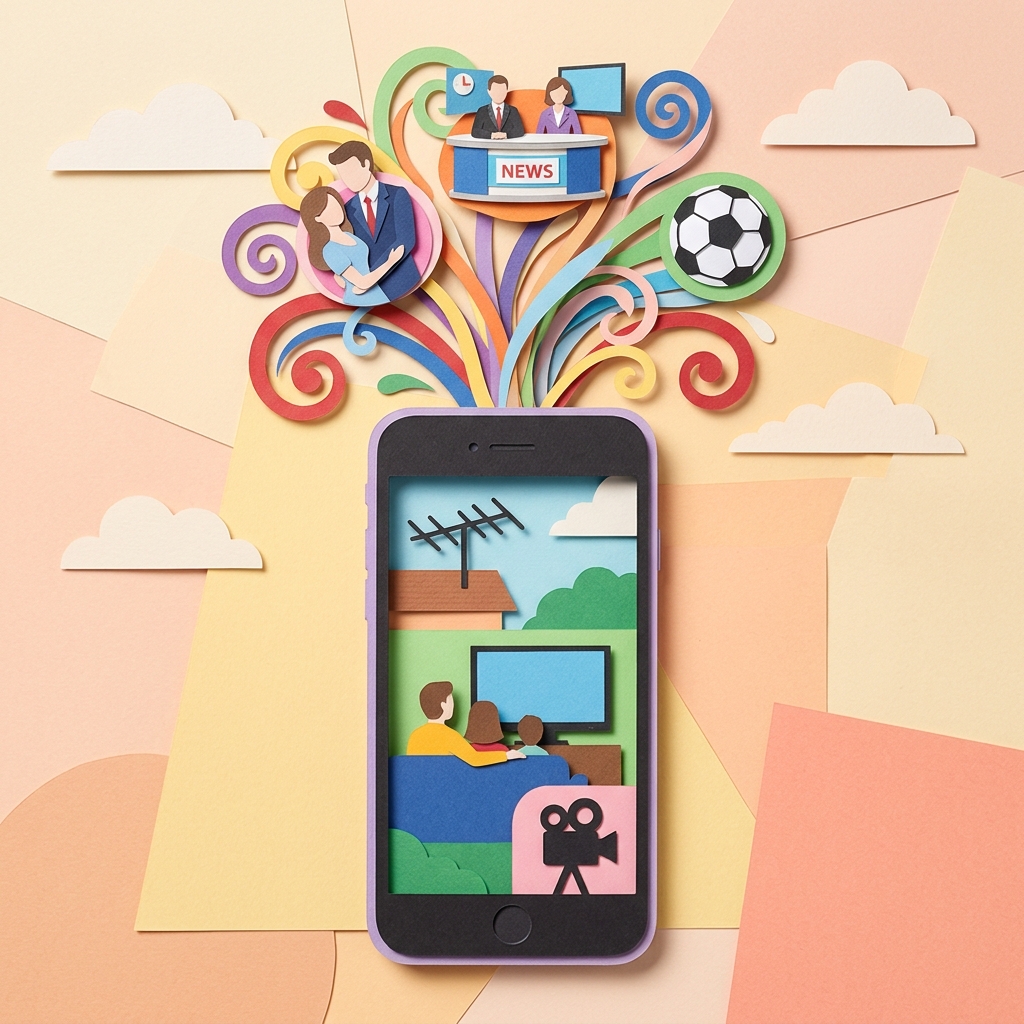
The entertainment industry continues evolving rapidly, with new services and technologies emerging regularly. The trend clearly favors consumer choice, flexibility, and targeted content over bloated, one-size-fits-all packages.
As more viewers abandon traditional cable, providers will be forced to adapt or face irrelevance. We’re already seeing cable companies offering streaming options and à la carte channel selection—tacit admissions that the old bundling model no longer serves consumer interests.
By making the switch now, you position yourself at the forefront of this transformation. You’ll save money immediately while gaining access to the most innovative and consumer-friendly entertainment options available.
The decision to stop paying for channels you never watch isn’t just financially smart—it’s a statement about valuing your resources and demanding entertainment experiences designed around your preferences rather than corporate profit maximization. The power to choose has never been greater, and the time to act is now. 🎬
