
Anúncios
Crochet is more than just a craft—it’s a creative journey that blends relaxation, skill-building, and the joy of making something beautiful with your own hands. Whether you’re picking up a hook for the first time or refining advanced techniques, this guide will help you master crochet step by step.
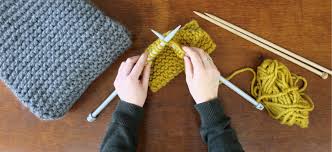


The beauty of crochet lies in its accessibility. With just a hook and some yarn, you can create anything from cozy blankets to intricate lace doilies. It’s a skill that welcomes everyone, regardless of age or experience level.
In this comprehensive guide, you’ll discover essential tutorials for beginners, advanced techniques to challenge your skills, and practical tips to keep you motivated. Let’s dive into the wonderful world of crochet and transform yarn into art! 🧶
Why Learning Crochet Is Worth Your Time ✨
Crochet offers incredible benefits that go beyond creating handmade items. It’s a therapeutic activity that reduces stress and anxiety, providing a meditative rhythm as you work stitch by stitch. Many people find it helps them unwind after a long day.
From a practical standpoint, crochet allows you to make personalized gifts, home décor, and even wearable fashion pieces. You’ll save money while crafting items with sentimental value that store-bought products simply can’t match.
The creative possibilities are endless. You can follow patterns or design your own projects, experimenting with colors, textures, and shapes. This flexibility makes crochet a rewarding hobby that grows with you.
Essential Tools and Materials for Beginners 🛠️
Starting your crochet journey requires minimal investment. The most important tool is a crochet hook, which comes in various sizes. For beginners, a medium-sized hook (5mm or H/8) works well with worsted weight yarn.
Choosing the right yarn makes a significant difference. Acrylic yarn is perfect for beginners—it’s affordable, easy to work with, and comes in countless colors. As you progress, you can explore natural fibers like cotton, wool, or bamboo.
Additional helpful tools include:
- Stitch markers to keep track of your place in patterns
- Yarn needles for weaving in ends
- Scissors for cutting yarn cleanly
- Measuring tape for checking gauge and dimensions
- A project bag to keep everything organized
Fundamental Stitches Every Beginner Must Master 🎯
Every crochet project starts with a foundation chain. This basic technique creates the base row upon which you’ll build your work. Practice making chains of consistent tension—not too tight, not too loose.
The slip stitch is the shortest stitch in crochet, often used for joining rounds or moving across stitches without adding height. It’s simple but essential for many patterns.
Single crochet creates a tight, dense fabric perfect for amigurumi and sturdy items. Insert your hook, yarn over, pull through, yarn over again, and pull through both loops. This rhythmic motion becomes second nature with practice.
Half double crochet adds a bit more height than single crochet. You yarn over before inserting the hook, then pull through and finish by yarning over and pulling through all three loops at once.
Double crochet is taller and works up faster, making it ideal for blankets and scarves. The technique involves yarning over, inserting the hook, pulling through, then completing two separate yarn-over-and-pull-through steps.

Your First Project: Simple Dishcloth Tutorial 🧽
A dishcloth makes an excellent first project. It’s small, practical, and forgiving of minor mistakes. You’ll need about 50 yards of cotton yarn and a 5mm hook.
Start by chaining 25 stitches. This creates a square cloth approximately 8 inches wide. For the first row, single crochet in the second chain from your hook, then continue across. Chain one and turn.
Repeat this row—single crochet in each stitch across, chain one, turn—until your work forms a square. This simple repetition builds muscle memory and confidence.
When you reach your desired length, cut the yarn leaving a 6-inch tail. Pull it through the final loop, then use a yarn needle to weave the end securely into your work. Congratulations on completing your first crochet project! 🎉
Reading Crochet Patterns Like a Pro 📖
Crochet patterns use abbreviations and symbols that may seem confusing at first. Common abbreviations include ch (chain), sc (single crochet), dc (double crochet), and st (stitch). Familiarize yourself with a basic abbreviation chart.
Patterns typically include gauge information, which tells you how many stitches and rows should measure within a 4-inch square. Matching gauge ensures your finished project will be the correct size.
Asterisks and parentheses indicate repetitions. For example, “*sc 2, dc 1* repeat from * to end” means you’ll alternate two single crochets and one double crochet across the entire row.
Don’t be intimidated by complex-looking patterns. Break them down section by section, and remember that every expert crocheter once struggled with the same learning curve you’re experiencing now.
Intermediate Techniques to Expand Your Skills 🚀
Once you’re comfortable with basic stitches, it’s time to explore techniques that add texture and visual interest. Increasing and decreasing stitches allows you to shape your work, creating curves and contours.
Working in the round opens up possibilities for hats, baskets, and amigurumi toys. Instead of turning at the end of each row, you continue spiraling around, using a stitch marker to track the beginning of each round.
The magic ring (also called adjustable ring) creates a tight, closed center for circular projects. It eliminates the hole that can appear when starting with a traditional chain ring.
Color changes add vibrancy to your projects. When switching colors, complete the last stitch of the old color until two loops remain on your hook, then yarn over with the new color and pull through.
Advanced Stitch Patterns Worth Exploring 🌟
The shell stitch creates elegant, scalloped edges perfect for blankets and shawls. It involves working multiple stitches (usually 5 or 7) into the same stitch, creating a fan-like shape.
Bobbles and popcorns add three-dimensional texture. These techniques require working several stitches into one space, then drawing them together at the top to create a raised bump.
Post stitches (front post and back post) create ribbing and cable-like textures. Instead of inserting your hook through the top loops, you work around the post of the stitch from the previous row.
Tunisian crochet combines elements of knitting and traditional crochet, using a longer hook and working stitches in two passes. This technique produces a beautiful, dense fabric with a unique drape.
Mastering Tension and Consistency 💪
Consistent tension separates amateur work from professional-looking pieces. Your stitches should be uniform in size, neither too tight (which makes the fabric stiff and your hands tired) nor too loose (creating gaps and unstable fabric).
Holding your hook and yarn correctly greatly affects tension. Experiment with different grips—pencil hold versus knife hold—to find what feels most comfortable and produces even stitches.
The yarn should flow smoothly through your fingers with gentle, controlled resistance. Many crocheters wrap the working yarn around their pinky and over their index finger to maintain steady tension.
Practice is the only real solution for improving tension. Work multiple swatches, paying attention to how your hands feel and how the fabric looks. Over time, muscle memory develops naturally.
Common Mistakes and How to Fix Them 🔧
Accidentally adding or losing stitches is the most common beginner mistake. Count your stitches at the end of each row until you develop a feel for maintaining the correct number automatically.
Twisted chains occur when you don’t recognize the correct loops to work into. The foundation chain has a V-shaped front and a bumpy back—insert your hook under the top loop and back bump for a neater edge.
Forgetting to chain at the beginning of rows causes edges to pull inward. Each stitch height requires a specific number of turning chains: one for single crochet, two for half double, three for double crochet.
If you discover a mistake several rows back, don’t panic. You can carefully unravel your work to that point—a process called “frogging” (because you “rip it, rip it”). It’s frustrating but necessary for quality results.
Project Ideas for Continuing Your Journey 🎨
Scarves and cowls make excellent intermediate projects. They’re essentially long rectangles, allowing you to practice new stitch patterns without complex shaping or sizing concerns.
Baby blankets are meaningful projects that work up relatively quickly. Choose soft, washable yarn and simple stitch patterns that showcase the yarn’s color and texture.
Amigurumi (stuffed toys) teaches you to work in continuous rounds while increasing and decreasing to create three-dimensional shapes. Start with simple designs like balls or basic animals before attempting complex characters.
Granny squares are versatile motifs that can be joined to create blankets, bags, or garments. Learning to connect squares opens up endless creative possibilities and is perfect for using up yarn scraps.
Building Your Crochet Community 👥
Connecting with other crocheters accelerates your learning and keeps you motivated. Local yarn shops often host stitch-and-chat groups where you can ask questions, share projects, and make friends who understand your hobby.
Online communities offer 24/7 support and inspiration. Platforms like Ravelry, Instagram, and dedicated Facebook groups connect millions of crocheters worldwide who freely share patterns, tips, and encouragement.
Don’t hesitate to ask for help when you’re stuck. The crochet community is remarkably welcoming and generous with knowledge. Most experienced crafters remember their own struggles and are happy to guide newcomers.
Consider documenting your crochet journey on social media. Sharing your progress, even with mistakes visible, inspires other beginners and creates a visual record of your improvement over time.
Caring for Your Handmade Creations 🧼
Proper care ensures your crochet items last for years. Always check the yarn label for washing instructions—some fibers can be machine washed while others require hand washing.
Hand washing is safest for delicate items. Use cool water and gentle soap, pressing the water through the fabric rather than wringing or twisting. Roll the item in a towel to remove excess moisture.
Blocking transforms your finished pieces, evening out stitches and opening up lace patterns. Pin the item to the desired dimensions on a blocking mat, mist with water, and allow to dry completely.
Store your crochet projects in breathable containers away from direct sunlight to prevent fading. For wool items, add lavender sachets or cedar blocks to deter moths.
Turning Your Hobby Into Something More 💼
Many crocheters eventually wonder if they can monetize their skills. Selling finished items at craft fairs or online marketplaces is one option, though pricing handmade goods competitively can be challenging.
Teaching crochet offers another avenue. Once you’re confident in your skills, consider offering local classes or creating online tutorials. Sharing knowledge is rewarding and helps grow the crafting community.
Pattern design appeals to creative minds who enjoy problem-solving. If you’ve modified existing patterns or created original designs, you could write and sell your own patterns through platforms like Etsy or Ravelry.
Remember that hobbies don’t need to become businesses to be valuable. Sometimes the greatest reward is simply the joy of creating and the peace that comes from working with your hands.
Staying Inspired and Avoiding Creative Burnout 🔥
Every crocheter experiences periods where motivation wanes. When projects feel like obligations rather than joy, it’s time to reassess. Give yourself permission to set aside works-in-progress that no longer excite you.
Trying new techniques or yarn types rekindles enthusiasm. If you usually make blankets, experiment with wearables. If you always use acrylic, splurge on luxurious alpaca or silk blends for a special project.
Participating in challenges like temperature blankets or monthly pattern releases creates structure and accountability. These community events make crochet feel fresh and social rather than solitary.
Most importantly, remember why you started crocheting. Whether it’s the meditative rhythm, the satisfaction of completion, or the joy of gifting handmade items, reconnecting with your original motivation helps sustain long-term engagement.
Resources to Support Your Crochet Education 📚
YouTube hosts thousands of free video tutorials covering every technique imaginable. Visual learners especially benefit from watching expert hands demonstrate stitches at various speeds.
Crochet books provide curated collections of patterns and techniques. Invest in a comprehensive reference book that covers stitches, construction methods, and finishing techniques you can reference for years.
Mobile apps now offer portable pattern libraries, stitch counters, and project tracking. These digital tools help you stay organized and access resources wherever your crochet takes you.
Don’t underestimate the value of practice swatches. Creating small samples of new stitches or techniques—without the pressure of a finished project—accelerates learning and builds your personal reference library.
Embracing the Journey From Beginner to Advanced 🌈
Progress in crochet isn’t always linear. Some days, stitches flow effortlessly. Other days, you’ll struggle with techniques you’ve done dozens of times before. This is completely normal and part of the learning process.
Celebrate small victories—your first completed row without dropped stitches, mastering a new technique, or finishing a project you once thought too difficult. These milestones mark real growth.
Advanced doesn’t necessarily mean complicated. Some of the most stunning crochet pieces use simple stitches in innovative ways. Focus on clean execution and thoughtful design rather than complexity for its own sake.
The beauty of crochet is that there’s always something new to learn. Even after decades, experienced crocheters discover fresh techniques, unusual yarns, and inspiring patterns. Your journey has no final destination—only continuous, enjoyable exploration.
Whether you’re creating your first chain or tackling intricate lace doilies, every stitch is progress. Pick up your hook, trust the process, and let the rhythmic motion of crochet bring creativity and calm into your life. The yarn is waiting, and your next masterpiece is just one stitch away! 🧶✨
