

Anúncios
The Alexa app is your gateway to transforming any space into a smart, voice-controlled environment powered by Amazon’s intelligent virtual assistant.
Whether you own an Echo device or simply want to explore voice automation on your smartphone, the Alexa app serves as the central hub for managing your smart home ecosystem. From controlling lights and thermostats to streaming music and setting reminders, this powerful application brings convenience to your fingertips.
In this comprehensive guide, we’ll explore everything you need to know about the Alexa app—from setup and features to advanced tips that maximize its potential. Let’s dive into how this remarkable tool can simplify your daily routine and elevate your connected lifestyle. 🚀


What Makes the Alexa App Essential for Modern Living
The Alexa app isn’t just another mobile application—it’s a command center for your entire smart home experience. With over 100 million downloads globally, this free app connects seamlessly with Amazon Echo devices, Fire TV, and countless third-party smart products.
At its core, the app allows you to set up and manage Alexa-enabled devices, customize voice commands, and access thousands of skills that extend functionality.
Whether you’re tech-savvy or just beginning your smart home journey, the intuitive interface makes navigation effortless.
Beyond device management, the Alexa app functions as a standalone voice assistant on your smartphone. You can ask questions, play music, check weather forecasts, and control compatible smart devices—all without needing a separate Echo speaker.
Key Features That Stand Out
The app boasts an impressive array of features designed to enhance everyday convenience:
- Voice Control: Activate Alexa hands-free or with a tap to execute commands instantly
- Smart Home Management: Control lights, locks, cameras, and appliances from a single dashboard
- Music & Entertainment: Stream from Amazon Music, Spotify, Apple Music, and more
- Routines: Automate multiple actions with a single voice command or schedule
- Skills & Integrations: Access over 100,000 Alexa skills for customized functionality
- Shopping Lists: Create and manage shopping or to-do lists with voice or text input
- Communication: Make calls, send messages, or drop in on other Alexa devices
Setting Up Your Alexa App in Minutes
Getting started with the Alexa app is remarkably straightforward. First, download the application from the Google Play Store or Apple App Store using your smartphone or tablet. The app is compatible with both Android and iOS devices, ensuring broad accessibility.
Once installed, open the app and sign in with your Amazon account credentials. If you don’t have an Amazon account, you’ll need to create one—the process takes just a few minutes and requires basic information like your email and password.
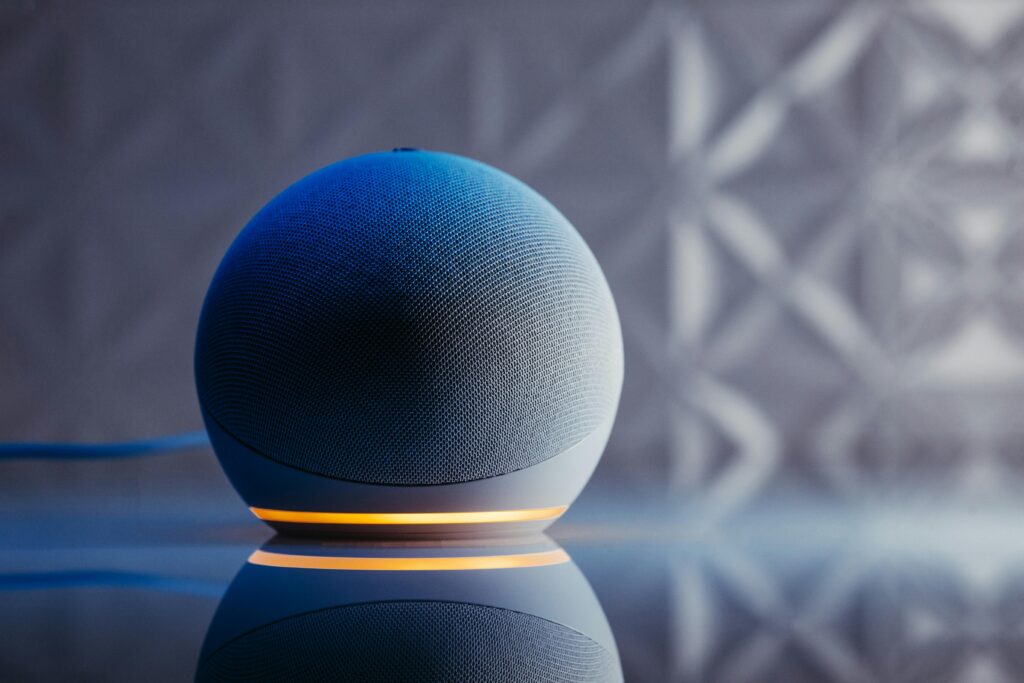
After logging in, the app will guide you through initial setup. If you have an Echo device, plug it in and wait for the light ring to turn orange. The app will automatically search for nearby devices and prompt you to connect them to your Wi-Fi network.
Connecting Your First Echo Device
The connection process is intuitive. Select your device from the list that appears in the app, then follow the on-screen instructions to connect it to your home Wi-Fi.
You’ll need to enter your Wi-Fi password, after which the device will confirm successful connection with a blue light and Alexa’s voice.
If you’re using Alexa exclusively through your smartphone without an Echo device, you can skip the device setup and proceed directly to exploring the app’s features. Simply tap the Alexa icon within the app to start issuing voice commands.

Navigating the Interface Like a Pro
The Alexa app interface is thoughtfully designed with five main sections accessible from the bottom navigation bar: Home, Communicate, Play, Devices, and More. Each section serves a distinct purpose, making it easy to find exactly what you need.
The Home tab displays personalized content, including quick suggestions, reminders, and recently used skills. It’s your starting point for accessing frequently used features and discovering new capabilities.
The Communicate section enables messaging and calling features. You can send voice or text messages to contacts who have Alexa-enabled devices or the app installed, making it a convenient way to stay connected with family and friends.
Exploring the Devices Tab
The Devices tab is arguably the most important section for smart home enthusiasts. Here, you’ll find all connected devices organized by category—lights, plugs, thermostats, cameras, and more. Tapping any device reveals control options and settings specific to that product.
You can create groups within this section to control multiple devices simultaneously. For example, grouping all living room lights allows you to say “Alexa, turn off the living room” instead of addressing each light individually.
Unlocking Advanced Features Through Skills
Alexa Skills are like apps that extend what Alexa can do. The Skills marketplace contains over 100,000 options ranging from games and quizzes to productivity tools and smart home integrations.
Accessing them is simple through the More tab, where you’ll find “Skills & Games.”
Popular skills include meditation guides, recipe assistants, language learning programs, and news briefings from major outlets. Many smart home brands also offer dedicated skills that enhance device compatibility and unlock advanced features.
To enable a skill, simply search for it in the Skills section, tap “Enable to Use,” and follow any additional setup instructions. Some skills require account linking with third-party services, which is handled securely through the app.
Creating Custom Routines for Automation
Routines represent one of Alexa’s most powerful features. These automated sequences let you trigger multiple actions with a single command or schedule.
For instance, a “Good Morning” routine might gradually increase bedroom lights, read the weather forecast, start your coffee maker, and play your favorite news podcast—all automatically at 7 AM. ☀️
To create a routine, navigate to More > Routines > Plus icon. You’ll define a trigger (voice command, schedule, device action, or alarm) and then add actions that should occur when triggered.
The possibilities are virtually limitless, limited only by your imagination and connected devices.
Managing Music and Entertainment Options
The Alexa app serves as a comprehensive music controller for your connected ecosystem. From the Play tab, you can browse and play content from various streaming services including Amazon Music, Spotify, Apple Music, Pandora, and TuneIn Radio.
If you have multiple Echo devices, you can create multi-room music groups that play synchronized audio throughout your home. This feature transforms any space into an immersive listening environment perfect for parties or relaxed evenings.
Audiobook lovers will appreciate the seamless integration with Audible. Your library syncs automatically, allowing you to start listening on your Echo device and continue on your smartphone during commutes—progress stays synchronized across devices.
Setting Up Voice Profiles
Voice profiles enable Alexa to recognize different household members and provide personalized responses. When properly configured, Alexa can identify who’s speaking and adjust music preferences, calendar events, and shopping lists accordingly.
Creating a voice profile takes just a few minutes. Navigate to Settings > Your Profile & Family > Add Your Voice, then read the prompted phrases aloud. The app analyzes your vocal patterns to distinguish you from other users sharing the same devices.
Privacy Controls and Security Features
Amazon has implemented robust privacy controls within the Alexa app, giving users transparency and control over their data.
The Privacy hub, accessible through Settings, provides tools to review and delete voice recordings, manage skill permissions, and control how your data is used.
You can listen to and delete individual voice recordings at any time. For those who prefer automatic deletion, the app offers options to delete recordings after three or eighteen months, or you can manually delete them immediately after each interaction.
The app also includes visual indicators when Alexa is listening or processing requests. A blue bar appears at the bottom of the screen during active listening, providing clear feedback about when the microphone is engaged.
Managing Skill Permissions
Each enabled skill may request specific permissions like access to location, contacts, or device controls. The app displays these permissions clearly during skill activation, and you can review or revoke them later through Settings > Alexa Privacy > Manage Skill Permissions.
Regularly reviewing these permissions ensures that third-party skills only access information necessary for their functionality, maintaining your privacy while still enjoying extended features. 🔒
Troubleshooting Common Issues
Even with its user-friendly design, you might occasionally encounter issues with the Alexa app. Connectivity problems are among the most common, often resolved by ensuring your device and smartphone are on the same Wi-Fi network.
If Alexa isn’t responding to voice commands, check that the microphone permissions are enabled for the app in your phone’s settings. On Android, navigate to Settings > Apps > Alexa > Permissions, and ensure microphone access is allowed.
For Echo devices showing as offline, try unplugging them for 30 seconds and plugging them back in. This simple reset resolves most connection issues. If problems persist, the app’s Help & Feedback section offers troubleshooting guides specific to your device model.
Maximizing Battery Life on Mobile Devices
Using the Alexa app on your smartphone doesn’t significantly drain battery under normal circumstances, but hands-free mode can impact battery life since the microphone remains active.
If battery conservation is a priority, consider disabling hands-free activation and using the manual button instead.
Background refresh settings also influence battery consumption. You can adjust these through your phone’s system settings to limit how frequently the app updates in the background while still receiving important notifications.
Integration with Third-Party Services
The true power of the Alexa app emerges through integrations with countless third-party services and devices. Popular smart home brands like Philips Hue, Ring, Nest, Samsung SmartThings, and TP-Link offer native Alexa support, controllable directly through the app.
Calendar integration with Google Calendar, Microsoft Outlook, and Apple Calendar allows Alexa to read your schedule, set reminders, and alert you about upcoming appointments. Link your accounts through Settings > Calendar & Email to enable these features.
Shopping enthusiasts appreciate the direct integration with Amazon’s e-commerce platform. You can reorder frequently purchased items, track packages, and add products to your cart using voice commands through the app.
Connecting with IFTTT
For advanced automation, the Alexa app works beautifully with IFTTT (If This Then That), a service that creates conditional workflows between different platforms. You can trigger actions in hundreds of apps and services based on Alexa commands or device states.
For example, you might create an IFTTT applet that automatically logs your work hours in a Google Sheet when you say “Alexa, I’m starting work,” or posts to social media when you ask Alexa to share an update.
Accessibility Features Worth Knowing
Amazon has prioritized accessibility, making the Alexa app usable for people with various disabilities. Voice control naturally benefits those with mobility limitations, but the app includes additional features like screen reader compatibility and adjustable text sizes.
The “Tap to Alexa” feature allows users with speech difficulties to communicate with Alexa using custom on-screen buttons instead of voice commands. These buttons can be personalized to trigger frequently used commands, making the technology more inclusive.
Alexa’s Show and Tell feature helps visually impaired users identify products. By holding items up to an Echo Show camera and saying “Alexa, what am I holding?” the system uses computer vision to identify and describe the object.
Future Updates and Upcoming Features
Amazon continuously updates the Alexa app with new features and improvements.
Recent additions include enhanced visual displays on compatible devices, improved natural language processing, and expanded multi-lingual support allowing users to speak to Alexa in multiple languages interchangeably.
The company has announced plans to integrate more AI-powered features, including predictive automation that learns your habits and proactively suggests routines or actions. These machine learning improvements will make interactions feel increasingly intuitive over time.
Energy monitoring features are also in development, allowing users to track power consumption of connected devices and receive recommendations for reducing energy usage—a feature particularly valuable as smart home adoption increases. ⚡
Tips for Getting the Most from Your Experience
To truly master the Alexa app, consider these expert tips: First, regularly explore the “Things to Try” section in the More tab, which introduces new commands and features you might not discover otherwise.
Amazon frequently adds capabilities that go unnoticed without active exploration.
Second, take advantage of the Follow-Up Mode, which allows multiple commands in a single conversation without repeating the wake word. Enable it in Settings > Device Settings > [Your Device] > Follow-Up Mode. This makes interactions feel more natural and conversational.
Third, customize your Flash Briefing to include news sources that matter most to you. The default briefing works well, but personalizing it with specific podcasts, blogs, or news outlets transforms it into a powerful morning information tool.
Finally, don’t hesitate to experiment with lesser-known skills and integrations. The Alexa ecosystem is vast, and hidden gems often provide the most delightful experiences—from ambient soundscapes that aid sleep to trivia games that entertain the whole family. 🎮
Making Alexa Work Seamlessly Across All Your Devices
One of the Alexa app’s greatest strengths is its cross-device functionality.
Your preferences, skills, and settings sync automatically across all connected devices, ensuring a consistent experience whether you’re using your smartphone, Echo Show, Fire TV, or even Alexa-enabled headphones.
The app serves as the bridge that unifies these experiences. Changes made on your phone immediately reflect on your Echo devices, and voice commands issued to one device can control another. This interconnectedness creates a truly seamless smart home environment.
For households with multiple users, the Household feature allows up to two adults and four children to share devices while maintaining individual profiles.
Each person accesses their own music libraries, shopping lists, and personalized content while benefiting from shared smart home controls.
As voice technology continues evolving, the Alexa app remains at the forefront of innovation, consistently delivering new ways to simplify daily tasks and enhance connected living.
Whether you’re managing a single Echo Dot or orchestrating an entire smart home, this powerful application provides the tools you need to create your ideal automated environment. 🏡
