

Anúncios
Ever wondered what that beautiful flower in your garden is called? Plant identification apps turn your smartphone into a powerful botanical guide, helping you discover the names and care tips for thousands of species instantly.
Plant identification has never been easier thanks to modern technology. Whether you’re a gardening enthusiast, a nature lover, or simply curious about the greenery around you, these specialized apps offer an incredible way to learn about the plant kingdom. With just a quick photo, you can access detailed information about species, care requirements, and even potential toxicity warnings.
The combination of artificial intelligence, machine learning, and extensive botanical databases has revolutionized how we interact with nature. These apps serve everyone from professional botanists to casual hikers, making plant knowledge accessible to all. Let’s explore how these remarkable tools work and which features make them indispensable for plant lovers worldwide. 🌿
How Plant Identification Apps Actually Work
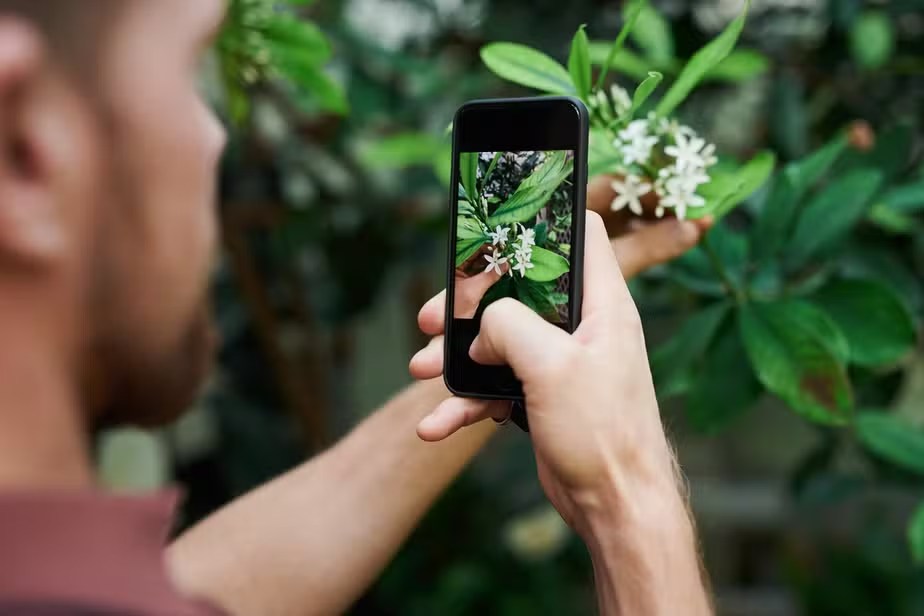
Plant identification apps rely on sophisticated image recognition technology powered by machine learning algorithms. When you snap a photo of a plant, the app analyzes visual features like leaf shape, flower color, petal arrangement, and growth patterns. This information is then compared against massive databases containing millions of plant images.
The technology behind these apps continues to improve as more users contribute photos and verifications. Many platforms use crowdsourced data, where botanists and experienced gardeners validate identifications, creating a continuously learning system. The accuracy rates have reached impressive levels, with top apps correctly identifying common plants over 90% of the time.
Most applications use convolutional neural networks (CNNs), a type of deep learning specifically designed for image analysis. These networks have been trained on enormous datasets, allowing them to recognize subtle differences between similar species. The process happens in seconds, delivering results faster than any traditional field guide ever could.
Key Features That Make These Apps Indispensable
Modern plant identification apps offer far more than simple name recognition. They’ve evolved into comprehensive botanical companions that enhance your relationship with the natural world. Understanding these features helps you choose the right app for your specific needs.
Instant Visual Recognition 📸
The core feature remains the ability to photograph any plant part—leaves, flowers, bark, or fruit—and receive immediate identification results. Advanced apps can identify plants even from partial images or in less-than-perfect lighting conditions. This flexibility makes them practical for real-world use in gardens, parks, or wilderness areas.


Detailed Plant Care Information
Beyond identification, quality apps provide comprehensive care guides. You’ll find watering schedules, sunlight requirements, soil preferences, and seasonal care tips. This transforms the app from a simple identifier into a valuable gardening assistant that helps keep your plants thriving.
Disease and Pest Diagnosis
Many apps now include diagnostic tools that identify plant diseases, pest infestations, and nutrient deficiencies. By photographing affected leaves or stems, you can receive treatment recommendations and prevention strategies. This feature alone can save struggling plants and prevent widespread garden problems.
Personal Plant Collections
Create digital gardens by saving identified plants to personal collections. These libraries let you track your plants, set care reminders, and maintain notes about growth patterns. It’s like having a personalized plant journal that syncs across all your devices.
Community and Expert Support
Robust apps include active user communities where you can ask questions, share discoveries, and get advice from experienced gardeners and botanists. Some platforms offer direct access to expert consultations, providing professional guidance when automated identification needs human verification.
Popular Plant Identification Apps Worth Downloading
The marketplace offers numerous plant identification apps, each with unique strengths. While PlantNet stands out as a scientifically-backed option developed by research institutions, several other platforms have gained massive user bases for good reasons.
PlantNet: The Scientific Approach 🔬
PlantNet was developed by French research organizations and offers completely free plant identification. It’s particularly strong with wild plants and has an extensive database covering flora from around the globe. The app emphasizes scientific accuracy and is frequently used by researchers and serious botanists alongside casual users.
What sets PlantNet apart is its commitment to open science and education. All data contributed by users helps improve botanical research worldwide. The app works offline in many regions once you’ve downloaded the necessary databases, making it perfect for remote hiking trips.
PictureThis: User-Friendly Design
Known for its intuitive interface and high identification accuracy, PictureThis appeals to beginners and experienced gardeners alike. The app provides beautifully designed care cards, toxicity warnings for pet owners, and personalized care reminders. While it operates on a freemium model, the basic features remain quite robust.
Seek by iNaturalist: Beyond Plants
Seek identifies not just plants but also animals, insects, and fungi. Developed by the California Academy of Sciences and National Geographic, it’s perfect for families and nature enthusiasts wanting to explore entire ecosystems. The app gamifies learning, encouraging exploration through achievement badges.
PlantSnap: Massive Database Coverage
With one of the largest databases available, PlantSnap claims to identify over 600,000 species. It’s particularly effective with ornamental garden plants and houseplants. The social features allow you to connect with a global community of plant lovers and share your discoveries.
Practical Uses Beyond Simple Curiosity 🌻
Plant identification apps serve purposes far beyond satisfying casual curiosity. They’ve become practical tools for various professional and personal applications that genuinely improve our lives and environmental understanding.
Gardening and Landscaping
Professional landscapers and home gardeners use these apps to identify existing plants in new properties, discover suitable companion plants, and avoid invasive species. When redesigning outdoor spaces, knowing exactly what’s already growing helps inform better planning decisions.
Foraging Safely
While apps should never be your sole identification method for edible plants, they provide valuable initial information for foragers. Many experienced foragers use apps as a first step before confirming edibility through traditional field guides and expert consultation. The safety warnings about toxic lookalikes can be literally lifesaving.
Educational Purposes
Teachers use plant identification apps to create interactive nature lessons that engage students with their immediate environment. Children become excited about learning when they can discover and document plants around their schools and neighborhoods. This hands-on approach to botany education creates lasting connections with nature.
Environmental Conservation
Citizen scientists contribute valuable data about plant distributions and invasive species tracking through these apps. Your casual observations can help researchers understand how climate change affects plant ranges, document rare species locations, and monitor ecosystem health across regions.
Travel and Exploration
Discovering unfamiliar plants while traveling adds depth to your adventures. Whether you’re hiking through foreign landscapes or exploring botanical gardens, identifying exotic species enriches the experience and helps you remember specific locations through the plants you discovered there.
Getting the Most Accurate Identifications 📱
While these apps are remarkably accurate, certain techniques significantly improve identification results. Understanding how to photograph plants properly ensures you receive correct information every time.
Always photograph plants in good natural lighting, avoiding harsh shadows or extreme brightness. Capture multiple angles—close-ups of leaves, flowers, and bark provide more data points for the algorithm. Make sure the plant fills most of the frame without too much distracting background.
Focus on distinctive features. If a plant has unique leaf arrangements, colorful flowers, or interesting bark patterns, emphasize these in your photos. The more characteristic details visible, the easier the identification becomes.
Use the specific photo modes many apps offer. Some have separate settings for leaves, flowers, fruit, or bark. Selecting the appropriate mode helps the algorithm focus on relevant features for that plant part.
When identification seems uncertain, try photographing different parts of the same plant. A leaf photo might give different results than a flower photo, and comparing these suggestions often leads to the correct identification.
Understanding Limitations and Safety Considerations ⚠️
Despite impressive technology, plant identification apps aren’t infallible. Recognizing their limitations prevents potentially dangerous mistakes, especially regarding edibility or toxicity.
Never consume any plant based solely on app identification. Misidentification of edible plants can cause serious illness or death. Always verify edibility through multiple authoritative sources and preferably with an experienced forager before consuming wild plants.
Regional databases vary in completeness. Apps trained primarily on European or North American flora may struggle with plants from other regions. Check whether your chosen app has strong coverage for your geographical area.
Similar-looking species can confuse even advanced algorithms. Some plant families contain members that look nearly identical, differing only in subtle details invisible in photographs. Professional botanists sometimes need microscopic examination or genetic testing for definitive identification.
Image quality significantly affects accuracy. Blurry photos, poor lighting, or obscured plant features reduce identification reliability. When the app expresses low confidence in its suggestion, consider retaking photos under better conditions.
Privacy and Data Considerations 🔒
Like all smartphone applications, plant identification apps collect various types of user data. Understanding their privacy practices helps you make informed decisions about which apps to trust.
Location data forms a significant component of many plant apps. Your photos often include GPS coordinates, helping apps understand regional plant distributions. While this improves identification accuracy and contributes to scientific research, it also creates a record of your movements.
Photo uploads mean your images are stored on company servers, at least temporarily. Review privacy policies to understand how long images are retained and whether they’re used for purposes beyond identification, such as training algorithms or marketing.
Free apps typically generate revenue through advertising or premium upgrades. Some collect more extensive user data for advertising purposes. Premium subscription models often provide better privacy protections since the business model doesn’t rely on data monetization.
Open-source options like PlantNet generally offer superior privacy, as their non-profit status and scientific mission prioritize research over commercial interests. They’re transparent about data usage and contribute to public botanical knowledge.
The Future of Plant Identification Technology 🚀
Plant identification technology continues evolving rapidly, with exciting developments on the horizon that will make these tools even more powerful and accessible.
Augmented reality features are beginning to appear, overlaying plant information directly onto your camera view as you point it at plants. This immersive experience makes learning about your environment more intuitive and engaging.
Improved offline functionality is coming as compressed databases become more efficient. Future apps will work anywhere without internet connectivity, making them truly universal field guides for remote wilderness exploration.
Integration with smart home systems and gardening sensors will create comprehensive plant care ecosystems. Your app might receive moisture data from soil sensors and automatically adjust watering recommendations based on actual plant needs rather than general guidelines.
Genetic-level identification may eventually become accessible through smartphone attachments, allowing definitive species identification beyond visual characteristics. This technology would eliminate confusion between similar-looking species.
Collaborative AI will learn from expert corrections more efficiently, creating increasingly accurate identification over time. The collective knowledge of millions of users and thousands of botanists will continuously refine these systems.
Making Plant Knowledge Accessible to Everyone 🌎
Plant identification apps democratize botanical knowledge that was once restricted to trained experts with access to extensive libraries. This accessibility creates meaningful connections between people and the natural world around them.
Children growing up with these tools develop environmental awareness naturally, learning to observe and appreciate plant diversity from early ages. This foundational relationship with nature may inspire future conservation efforts and careers in environmental sciences.
Urban residents disconnected from wild spaces can rediscover nature in parks, street plantings, and even sidewalk cracks. Recognizing that the tree outside your apartment has a name and story transforms how you perceive your environment.
Gardeners at all skill levels benefit from instant access to care information that previously required extensive research or expert consultation. This knowledge sharing helps more people succeed with plants, creating greener spaces everywhere.
The combination of technology and nature appreciation doesn’t diminish authentic outdoor experiences—it enhances them. When you can identify plants, you see more, understand more, and care more about protecting these living communities.
Choosing the Right App for Your Needs 🌿
With numerous options available, selecting the ideal plant identification app depends on your specific interests and how you plan to use it. Consider these factors when making your choice.
Frequency of use matters significantly. Casual users who occasionally wonder about plants might prefer free apps with advertisements, while dedicated gardeners benefit from premium subscriptions offering unlimited identifications and advanced features.
Geographical coverage should match your location. If you live in or frequently visit regions with unique flora, verify that your chosen app has strong database coverage for those areas. Regional specialists sometimes outperform global apps for local plants.
Your experience level influences which app works best. Beginners appreciate intuitive interfaces and simple explanations, while experienced gardeners might prefer apps offering scientific names, taxonomic details, and advanced search filters.
Privacy concerns should guide your decision if data protection matters to you. Open-source and non-profit apps generally offer better privacy than commercial alternatives that monetize user data.
Download one or two apps and test them with plants you already know. This practical evaluation reveals which interface you find most comfortable and which identification engine performs best in your environment. Many plant enthusiasts keep multiple apps installed, using different ones for various purposes.
Plant identification apps represent a beautiful fusion of technology and nature, making botanical knowledge accessible to anyone with curiosity and a smartphone. They transform casual walks into learning adventures, help gardens thrive, and connect us more deeply with the living world around us. Whether you’re identifying wildflowers on hiking trails, caring for houseplants, or simply satisfying curiosity about that interesting tree in the park, these powerful tools await in your pocket, ready to unlock the secrets of the plant kingdom. 🌺
