

Anúncios
Music transcends time, connecting us with emotions, memories, and stories from decades past. Discovering apps that bring the soundtrack of previous generations to your fingertips has never been easier or more exciting.


Whether you’re yearning for the soulful melodies of the ’60s, the disco vibes of the ’70s, or the unforgettable pop anthems of the ’80s and ’90s, specialized music apps offer curated experiences that mainstream streaming platforms often overlook. These applications aren’t just about nostalgia—they’re about preserving cultural heritage and allowing new generations to appreciate the artistry that shaped modern music.
The beauty of these retro music apps lies in their ability to transport listeners through time. They offer carefully organized playlists, radio stations themed by decade, and even educational content about the artists and movements that defined each era. Let’s explore how these digital treasures work and why they’ve become essential tools for music lovers worldwide. 🎵
Why Classic Music Apps Matter in Today’s Digital Age

Modern streaming services boast millions of songs, yet they often prioritize contemporary hits and algorithmic recommendations that favor current trends. This leaves a significant gap for those seeking authentic experiences with music from the ’50s through the ’90s. Dedicated retro music applications fill this void by focusing exclusively on timeless tracks that shaped generations.
These specialized platforms understand that older music requires different categorization methods. Instead of genre-only sorting, they organize content by decade, cultural movement, and historical context. This approach helps listeners discover not just individual songs, but entire musical eras with their unique characteristics and stories.
For educators, historians, and cultural enthusiasts, these apps serve as invaluable research tools. They provide context about how music evolved, which artists influenced others, and how societal changes reflected in the soundtracks of each decade. This educational dimension sets them apart from generic streaming services.
Features That Make Retro Music Apps Stand Out
The best applications for classic music incorporate several distinctive features designed specifically for vintage content. Understanding these elements helps users choose the right platform for their listening preferences and discover hidden gems from past decades.
Decade-Specific Radio Stations 📻
Unlike traditional streaming where you create playlists manually, retro music apps often feature continuous radio-style broadcasts organized by decade. These stations recreate the authentic listening experience people enjoyed before on-demand streaming existed. You might tune into a ’70s disco station and hear tracks flow naturally, just as they would have on FM radio during that era.
The curated nature of these stations means professional music historians and enthusiasts select the tracks, ensuring quality and authenticity. This human touch prevents the algorithm fatigue many users experience with AI-generated playlists that lack soul and context.
Offline Listening Capabilities
Many retro music applications recognize that users want to enjoy their favorite classics without constant internet connectivity. Offline mode allows you to download entire decades of music or specific playlists, perfect for travel, areas with poor reception, or simply conserving mobile data.
This feature proves especially valuable for older listeners who may not always have reliable internet access or prefer the independence of locally stored music. It bridges the gap between modern convenience and traditional ownership of music collections.
Artist Biographies and Historical Context
Beyond just playing songs, quality retro apps provide educational content about the artists, bands, and musical movements. Reading about The Beatles’ impact while listening to their catalog, or understanding the social conditions that birthed punk rock, enriches the listening experience immeasurably.
These contextual elements transform passive listening into active learning, making the apps valuable for students, researchers, and anyone curious about music history. Some applications even include interviews, rare recordings, and documentary-style content.
Exploring Music From Different Decades
Each generation produced distinctive sounds that reflected technological advances, cultural shifts, and artistic experimentation. Retro music apps organize these periods thoughtfully, allowing users to explore specific eras or journey chronologically through musical evolution.
The Revolutionary 1960s 🌸
The sixties witnessed unprecedented musical innovation, from the British Invasion led by The Beatles and The Rolling Stones to the psychedelic rock movement and Motown’s soul revolution. Apps focusing on this decade typically feature extensive collections of these pivotal artists alongside lesser-known gems that deserve rediscovery.
Folk music also flourished during this period, with Bob Dylan and Joan Baez providing soundtracks to social movements. Quality retro apps ensure these protest songs and politically charged tracks receive proper representation alongside the era’s pop hits.
The Groovy 1970s ✨
Disco dominated the latter half of this decade, but the ’70s also birthed punk rock, expanded funk and soul, and saw the maturation of progressive rock. Applications dedicated to this era must balance these diverse styles while maintaining the decade’s distinctive flavor.
From Donna Summer’s dance floor anthems to Pink Floyd’s conceptual masterpieces, the ’70s offered something for every musical taste. The best apps capture this diversity without overwhelming users, using intelligent categorization and playlist curation.
The Iconic 1980s 🎹
Synthesizers, drum machines, and MTV transformed music during the eighties. This decade produced some of the most recognizable songs in popular music history, from Michael Jackson’s “Thriller” to Madonna’s string of hits and the new wave movement.
Retro apps specializing in ’80s content often include music videos when possible, recognizing that visual elements became inseparable from the music itself during this era. The theatrical presentation and fashion statements of the time remain captivating today.
The Diverse 1990s 📼
Grunge, hip-hop’s golden age, Britpop, electronic dance music, and the boy band phenomenon all coexisted during the nineties. This decade’s musical landscape was perhaps the most fragmented yet, requiring apps to provide sophisticated filtering options.
From Nirvana’s raw power to the Spice Girls’ pop dominance, the ’90s defied simple categorization. Quality applications recognize this complexity and offer multiple ways to explore the decade’s rich musical tapestry.
How These Apps Differ From Mainstream Streaming Services
While Spotify, Apple Music, and similar platforms theoretically contain most classic tracks, their interface and recommendation algorithms weren’t designed with retro music enthusiasts in mind. Specialized apps offer several advantages for those specifically seeking older music.
The discovery mechanisms in retro-focused apps prioritize historical significance and cultural impact over current popularity metrics. This means genuinely important songs from past decades receive prominence rather than being buried beneath countless contemporary releases.
User interfaces in classic music apps typically employ visual design elements that evoke the eras they represent. Vinyl record aesthetics, retro typography, and period-appropriate color schemes create an immersive atmosphere that enhances the listening experience beyond mere audio playback.
Community features in these specialized platforms connect users who share passionate interests in specific decades or genres. Unlike the scattered audiences of mainstream services, retro app communities tend to be highly engaged, sharing rare recordings, hosting discussions about musical history, and organizing themed events.
Benefits Beyond Simple Entertainment
Accessing music from previous generations through dedicated apps offers advantages that extend far beyond casual listening pleasure. These platforms serve multiple purposes for different user groups, each finding unique value in the curated classic content.
Therapeutic and Wellness Applications 💆
Music therapy professionals increasingly recognize the power of familiar songs from patients’ youth to unlock memories and emotions, particularly in individuals with dementia or Alzheimer’s disease. Retro music apps provide caregivers easy access to era-appropriate tracks that can significantly improve patient well-being.
The emotional comfort of familiar melodies helps reduce anxiety and agitation in elderly populations. Having comprehensive collections of ’40s through ’70s music available on a simple mobile device makes implementing this therapeutic approach practical in home and clinical settings.
Educational Resources for Young Generations 📚
Teachers use retro music apps to help students understand historical periods through their soundtracks. Analyzing lyrics from Vietnam War-era protest songs or examining how disco reflected social changes provides engaging alternatives to traditional textbook learning.
Young people discovering their parents’ or grandparents’ favorite music often develop deeper appreciation for family history and cultural heritage. These intergenerational connections strengthen family bonds and provide context for understanding how society evolved.
Inspiration for Modern Musicians
Contemporary artists constantly draw inspiration from past decades, and retro music apps serve as essential research tools. Producers seeking authentic ’70s funk elements or singers studying vocal techniques from soul legends find everything they need in one accessible location.
The influence of classic music on current hits demonstrates that understanding musical history isn’t merely academic—it’s essential for creating fresh, innovative content that honors tradition while pushing boundaries.
Choosing the Right App for Your Preferences
With numerous retro music applications available across iOS and Android platforms, selecting the ideal option depends on your specific needs, preferred decades, and desired features. Consider these factors when making your choice.
Evaluate the depth of content in your favorite decades. Some apps excel in ’60s and ’70s rock but offer limited disco or funk collections. Others might emphasize ’80s synth-pop while neglecting earlier periods. Reading user reviews from people with similar tastes helps identify the best matches.
Audio quality matters, especially for older recordings that may suffer from poor digitization. Premium apps invest in high-quality versions of classic tracks, ensuring you hear these songs as they were meant to sound rather than compressed or poorly transferred versions.
Subscription models vary significantly. Some apps operate on free, ad-supported models perfect for casual listeners. Others require monthly fees but offer extensive libraries, offline access, and ad-free experiences. Consider how frequently you’ll use the app when evaluating pricing options.
Technical Considerations and Device Compatibility
Before downloading a retro music app, verify compatibility with your devices and ensure your hardware can deliver the listening experience you desire. These technical factors significantly impact satisfaction with any music application.
Storage capacity becomes crucial if you plan extensive offline listening. High-quality audio files from multiple decades can quickly consume gigabytes of space. Consider whether your device has sufficient room or if you need external storage solutions.
Battery consumption varies between apps based on their streaming technology and background processes. Apps with inefficient code or constant background refresh can drain your device quickly, particularly problematic during long listening sessions or travel.
Bluetooth and external speaker compatibility ensures you can enjoy your classic music collection through quality audio equipment. Most modern apps support standard protocols, but verifying this functionality prevents disappointment after purchase or download.
The Future of Classic Music Preservation
Digital applications play an increasingly vital role in preserving musical heritage for future generations. As physical media deteriorates and original recordings age, properly maintained digital libraries ensure these cultural treasures remain accessible indefinitely.
Emerging technologies like AI-powered audio restoration can improve the quality of older recordings, removing noise and damage while preserving authentic character. Progressive retro music apps incorporate these advancements, continuously enhancing their catalogs with improved versions of beloved songs.
Virtual reality and spatial audio represent exciting frontiers for experiencing classic music. Imagine attending a virtual recreation of Woodstock or experiencing a ’70s disco in immersive 3D audio. Forward-thinking apps are already experimenting with these technologies.
Collaboration with archives, libraries, and estates of deceased artists ensures comprehensive, legal access to rare recordings and previously unavailable material. These partnerships benefit everyone—rights holders receive compensation, users access incredible content, and musical history is preserved.
Building Your Perfect Retro Playlist Experience
Once you’ve selected your preferred retro music app, maximizing your enjoyment requires some thoughtful curation and exploration. These strategies help you build a personalized classic music collection that grows with your evolving tastes.
Start by identifying specific artists or songs you already love, then use the app’s discovery features to find similar tracks and related artists. This organic exploration method yields more satisfying results than randomly jumping between decades or genres.
Create themed playlists for different moods or activities rather than simply organizing by decade. A “rainy day soul” playlist spanning ’60s through ’80s tracks creates coherent emotional experiences despite mixing eras. Similarly, workout playlists might combine ’70s funk with ’80s rock for energizing variety.
Don’t neglect the social features many apps offer. Following curators with excellent taste, sharing your discoveries with friends, and participating in community discussions enhances the experience beyond solitary listening. Music has always been a communal activity, and these digital platforms facilitate that connection.
Overcoming Common Challenges With Retro Music Apps
Users sometimes encounter obstacles when transitioning from mainstream streaming services to specialized retro platforms. Understanding these potential issues and their solutions ensures smooth, satisfying experiences with classic music applications.
Limited contemporary content is intentional in dedicated retro apps, but users accustomed to having everything in one place may initially find this frustrating. The solution involves embracing the focused nature of these platforms—use them specifically for classic listening while maintaining your primary streaming service for current music.
Search functionality may operate differently than in modern music databases. Older recordings sometimes have multiple title variations, artist name spellings, or release versions. Learning to search flexibly and exploring related suggestions helps locate specific tracks that don’t appear immediately.
Rights restrictions occasionally mean certain popular songs or entire artist catalogs remain unavailable on smaller platforms. While disappointing, understanding that licensing negotiations continue and catalogs constantly expand helps maintain perspective. User requests often influence which content creators prioritize acquiring.
Making the Most of Free Versus Premium Features
Many retro music apps offer both free and premium tiers, each with distinct advantages and limitations. Understanding what you truly need helps determine whether upgrading makes sense for your listening habits and budget.
Free versions typically include advertisements between songs or during app usage. If you primarily listen during activities where occasional interruptions don’t matter, saving money with ad-supported access makes perfect sense. However, ads can disrupt the immersive quality that makes retro music special.
Premium subscriptions usually unlock offline listening, higher audio quality, and unlimited skips—features that significantly enhance user experience. For dedicated classic music fans who use the app daily, these benefits typically justify the modest monthly costs.
Trial periods offered by most premium apps allow risk-free testing of advanced features. Take advantage of these trials to genuinely evaluate whether the enhancements improve your experience sufficiently to warrant ongoing subscription costs.
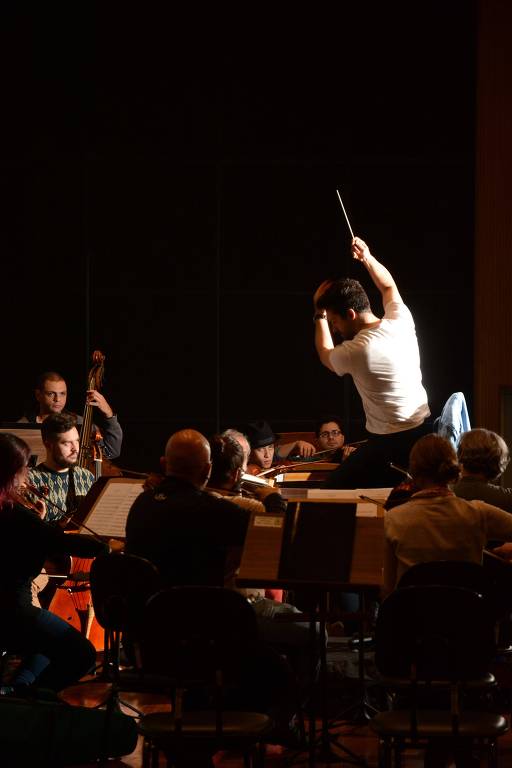
Connecting With Music That Shaped Generations 🎶
The emotional power of music from previous decades extends beyond nostalgia. These songs represent authentic artistic expression from eras with different production values, cultural contexts, and creative approaches than today’s music industry.
Listening to classics reveals how much (and how little) has changed in human experience. Love, heartbreak, social justice, celebration, and rebellion remain universal themes, while production techniques and sonic palettes have evolved dramatically. This perspective enriches appreciation for both vintage and contemporary music.
Sharing classic music across generations creates meaningful connections between family members and friends of different ages. A grandmother introducing her teenage grandson to Aretha Franklin, or a millennial sharing ’90s alternative rock with younger siblings, builds bridges through shared cultural experiences.
Ultimately, retro music apps serve a profound purpose beyond entertainment—they’re digital museums, educational resources, and community gathering spaces all in one. They ensure the soundtrack of human history remains accessible, allowing each generation to discover the artistry that came before and understand the foundation upon which modern music stands.
Whether you’re revisiting the soundtrack of your youth or exploring musical eras you never personally experienced, dedicated classic music applications offer curated, respectful, and engaging ways to connect with timeless artistry. Download one today and begin your journey through decades of musical brilliance that continues resonating across time. 🎵✨
