
Anúncios
Learning to read and write is a transformative journey that knows no age limits. Whether you’re 18 or 80, the power of literacy can open doors you never imagined possible.
The myth that education belongs only to childhood has held too many people back for far too long. Adults who never had the chance to learn reading and writing often carry silent shame, but the truth is that millions around the world are starting their literacy journey later in life—and thriving.
Today’s technology and teaching methods make home-based learning more accessible than ever before. With just a few minutes daily, you can build the foundation for a completely new chapter in your life. The best time to start was yesterday, but the second-best time is right now.
📚 Why Adult Literacy Matters More Than Ever
In our increasingly digital world, reading and writing aren’t just nice-to-have skills—they’re essential for navigating daily life. From reading medication labels to understanding important documents, from texting loved ones to accessing online information, literacy empowers you to take control.
Adult learners bring unique strengths to the table. You have life experience, motivation born from real need, and the maturity to understand why you’re learning. These advantages often help adults progress faster than expected once they overcome initial hesitation.
The emotional benefits extend far beyond practical tasks. Imagine reading bedtime stories to your grandchildren, writing your own thoughts in a journal, or finally understanding the words on street signs without asking for help. These moments rebuild confidence and dignity.
⏰ The Magic of Just a Few Minutes Daily
One of the biggest misconceptions about learning to read and write as an adult is that it requires hours of study. The reality? Consistent practice for just 10-15 minutes daily can produce remarkable results over time.
Short, focused sessions work better for adult brains than marathon study periods. Your mind stays fresh, retention improves, and the learning doesn’t feel overwhelming. This approach also fits naturally into busy schedules filled with work, family, and other responsibilities.
Think about activities you already do for 15 minutes: scrolling social media, waiting for coffee to brew, or watching television commercials. By redirecting just one of these time slots toward literacy practice, you’re investing in a skill that lasts forever.


🎯 Creating a Sustainable Daily Routine
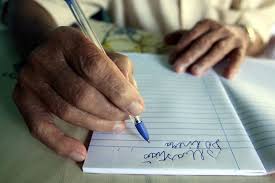
Success comes from consistency, not intensity. Choose the same time each day when you’re most alert—perhaps early morning before others wake up, or in the evening after dinner. This creates a habit loop that becomes automatic.
Keep your learning materials in a visible, accessible spot. Whether it’s a workbook on the kitchen table or an app on your phone’s home screen, removing friction makes it easier to follow through on your commitment.
Track your progress with simple checkmarks on a calendar. Seeing an unbroken chain of daily practice builds momentum and motivation. Missing a day becomes harder when you can visualize your streak.
🏠 Learning From Home: Your Private Classroom
Home-based learning eliminates many barriers that prevent adults from pursuing literacy education. There’s no commute, no fixed schedule conflicts, and most importantly—complete privacy as you build confidence in a safe environment.
Your living room, bedroom, or kitchen table becomes a judgment-free zone where mistakes are simply stepping stones. You can repeat lessons as many times as needed without embarrassment, work at your own pace, and celebrate small victories privately before sharing your progress.
Modern learning tools designed for home use understand adult needs. They incorporate real-world examples relevant to your daily life, use encouraging feedback instead of grading, and respect your time with efficient lesson structures.
💡 Setting Up Your Learning Space
You don’t need a dedicated office to learn effectively. A quiet corner with good lighting and minimal distractions works perfectly. Some learners prefer complete silence, while others benefit from soft background music—discover what helps you focus.
Gather basic supplies: pencils, paper, and perhaps a simple notebook to practice writing. If using digital tools, ensure your device is charged and notifications are silenced during study time. These small preparations signal to your brain that learning time is special.
Comfort matters more than you might think. A supportive chair, adequate lighting, and a glass of water nearby help you stay focused without physical discomfort cutting sessions short.
✍️ Starting With the Basics: Letters and Sounds
Every literacy journey begins with the alphabet. These 26 letters combine to create every word you’ll ever read or write. Starting here isn’t childish—it’s foundational, regardless of your age.
Begin by recognizing letter shapes and associating them with sounds. Focus on a few letters at a time rather than trying to memorize the entire alphabet immediately. Most programs start with common letters that appear frequently in everyday words.
Practice writing each letter repeatedly. The physical act of forming letters helps cement them in your memory through muscle memory. Start with uppercase letters, which tend to be simpler, before moving to lowercase variations.
🔤 From Letters to Simple Words
Once you’re comfortable with individual letters, combining them into simple words feels like magic. Three-letter words like “cat,” “dog,” “sun,” and “hat” become your first reading victories.
Sound out words slowly at first. Breaking words into individual letter sounds, then blending them together, is called phonics—and it works for learners at any age. This method gives you tools to tackle unfamiliar words independently.
Write words repeatedly as you learn to read them. This dual approach—reading and writing together—reinforces learning through multiple senses and creates stronger neural pathways in your brain.
🚀 Building Confidence Through Progress
The first time you read a complete sentence independently marks a turning point. What seemed impossible weeks ago becomes reality, proving your capability and fueling further progress.
Document your journey with before-and-after samples. Save your early attempts at writing your name or simple words. Looking back at these after a few months of practice reveals incredible growth that daily incremental progress makes hard to notice.
Celebrate every milestone, no matter how small. Read your first street sign? Victory. Write a short shopping list? Amazing. Send a text message without help? Incredible. These moments matter.
💪 Overcoming Common Challenges
Frustration is normal and temporary. Some days the letters seem to swim on the page, or your hand cramps from writing practice. These struggles don’t mean you’re failing—they mean you’re learning something genuinely new.
Adults often battle negative self-talk based on past experiences. Replace thoughts like “I’m too old” or “I’m not smart enough” with “I’m learning” and “I’m making progress.” Your inner dialogue shapes your outcomes.
If progress seems slow, remember that comparing yourself to others steals your joy. Your journey is unique, with different starting points, available time, and learning pace. Focus solely on being better than you were yesterday.
📱 Modern Technology as Your Learning Companion
Smartphones and tablets have revolutionized adult literacy education. Interactive apps provide immediate feedback, adapt to your skill level, and make practice engaging through game-like elements that keep motivation high.
These digital tools offer privacy that traditional classrooms can’t match. You can practice during your lunch break, while waiting for appointments, or in bed before sleep—all without anyone knowing you’re working on literacy skills.
Many apps use voice recognition to help with pronunciation, visual guides for letter formation, and progress tracking that shows your improvement over time. This personalized approach addresses individual needs better than one-size-fits-all methods.
🌐 Combining Digital and Traditional Methods
While apps provide excellent structured practice, don’t underestimate the value of physical writing. The tactile experience of pen on paper activates different brain areas and many learners find it more satisfying than screen tapping.
Use technology for lessons and practice exercises, then reinforce learning by writing in a notebook. This combination leverages the strengths of both approaches—the interactivity of digital tools and the retention benefits of handwriting.
Real-world application cements learning like nothing else. After practicing in an app, try reading actual signs, labels, or simple books. Write shopping lists by hand. These authentic uses transform abstract skills into practical abilities.

👥 Building a Support System
While learning at home offers privacy, a support system accelerates progress. Trusted family members or friends can practice with you, provide encouragement during difficult moments, and celebrate your achievements.
Being honest with at least one person about your literacy goals creates accountability and opens doors for help. Many adults are surprised by how supportive loved ones become once they understand the courage it takes to start this journey.
Online communities connect adult learners worldwide, offering encouragement, tips, and proof that you’re not alone. Anonymous forums allow you to ask questions, share struggles, and receive advice from those who’ve walked this path.
📖 Expanding Your Skills: From Basics to Fluency
After mastering simple words and sentences, longer texts become achievable. Children’s books aren’t beneath adult learners—they’re perfectly designed tools with controlled vocabulary and supportive illustrations.
Gradually increase difficulty as confidence grows. Move from simple sentences to short paragraphs, then to longer stories. Each level builds upon previous skills while introducing new vocabulary and complex sentence structures.
Writing progresses similarly. Start with single words, advance to simple sentences about your day, then try describing events or expressing opinions. Your writing voice develops naturally through consistent practice.
✏️ Practical Writing for Everyday Life
Focus writing practice on immediately useful tasks. Learn to fill out forms, write checks, compose simple messages, or keep a basic journal. These applications provide motivation because you see direct benefits.
Templates help initially. Use examples of addresses, letters, or lists as guides while you build confidence. Eventually, you’ll internalize these patterns and write independently without reference materials.
Don’t worry about perfect grammar or spelling at first. Communication is the goal. Refinement comes with time and practice. Every attempt, even with mistakes, strengthens your abilities.
🎓 The Lifelong Benefits of Adult Literacy
Learning to read and write as an adult creates ripple effects throughout your entire life. Employment opportunities expand dramatically when you can read job postings, fill out applications, and communicate in writing with employers.
Health outcomes improve when you can read medication instructions, understand medical information, and communicate symptoms to healthcare providers. This literacy directly impacts your well-being and longevity.
Family relationships deepen when you can help children with homework, read important school notices, or simply share the joy of reading together. Breaking the cycle of illiteracy benefits generations to come.
🌟 Personal Growth Beyond the Practical
Perhaps the greatest benefit lies in reclaimed dignity and self-respect. No longer hiding your struggle or avoiding situations that require reading creates freedom that extends into every area of life.
The discipline developed through daily practice transfers to other goals. If you can teach yourself to read and write, what else might you accomplish? This question opens possibilities you may have dismissed as impossible.
Pride in your achievement becomes a permanent source of confidence. You’ve proven wrong everyone who said you couldn’t, including perhaps your own inner critic. That proof stays with you forever.
🌈 Stories That Inspire: Real People, Real Results
Around the world, adults from 20 to 90 years old are learning to read and write for the first time. A 67-year-old grandmother in Brazil recently learned to read bedtime stories to her grandchildren after years of pretending she’d forgotten her glasses.
A 45-year-old construction worker finally earned his driver’s license after learning to read road signs through daily 15-minute practice sessions. His increased mobility led to better job opportunities and higher income.
These stories aren’t exceptional—they’re increasingly common as awareness grows that adult literacy education works. The common thread? They all started despite fear, doubt, and uncertainty about success.
🎯 Your First Week: A Simple Roadmap
If you’re ready to begin, start simply. Day one: learn five letters and their sounds. Write each letter ten times. Day two: review those five letters and add three more. Day three: combine learned letters into simple words.
Days four through seven: practice reading and writing the words you’ve learned, gradually adding new letters and words. By week’s end, you’ll likely recognize and write 10-15 simple words—a foundation to build upon.
This gradual approach prevents overwhelm while creating visible progress. Each small success builds confidence for the next challenge, creating positive momentum that carries you through more difficult concepts later.
💖 It’s Never Too Late: Starting Today
Every day you delay is another day spent limited by illiteracy. Every day you practice is a day closer to freedom, confidence, and new possibilities. The choice isn’t between easy and hard—it’s between change and staying the same.
You don’t need perfect conditions to start. You don’t need expensive materials, hours of free time, or anyone’s permission. You need only the decision to begin and the commitment to show up for yourself, even if just for minutes daily.
Thousands of adults are beginning this journey today—on their phones during lunch breaks, in quiet morning moments before family wakes, or in evening hours after responsibilities end. You can join them right now.
The person you’ll be six months from now will thank you for starting today. The confidence, opportunities, and joy that literacy brings are worth every minute of effort. Your age doesn’t matter. Your past doesn’t matter. What matters is what you do next.
Download a learning app, pick up a pencil, or find a simple book. Take the first small step on a journey that will change your life. You are capable, you are worthy, and it’s never, ever too late to learn. 📚✨
