
Anúncios
Poor blood circulation can lead to fatigue, cold extremities, and serious health complications. Botanical teas offer a natural, gentle approach to supporting vascular health and improving circulation throughout your body.
For centuries, traditional medicine systems across the world have relied on botanical remedies to enhance blood flow and maintain cardiovascular wellness. These time-tested herbs contain bioactive compounds that support vessel flexibility, reduce inflammation, and promote healthy circulation patterns.
Whether you’re dealing with cold hands and feet, experiencing occasional leg cramps, or simply looking to optimize your cardiovascular system, incorporating specific herbal teas into your daily routine can provide remarkable benefits. Let’s explore the most effective botanical options backed by both traditional wisdom and modern scientific research. ☕
Why Circulation Matters More Than You Think 🫀
Your circulatory system is the transportation highway of your body, delivering oxygen and nutrients to every cell while removing metabolic waste. When this system functions optimally, you experience sustained energy, mental clarity, and overall vitality.
Unfortunately, modern sedentary lifestyles, poor dietary choices, and chronic stress can compromise circulation. Symptoms like numbness in extremities, varicose veins, slow wound healing, and persistent fatigue often indicate that your vascular system needs support.
Botanical teas work through multiple mechanisms to address these issues. They contain flavonoids, polyphenols, and other phytochemicals that strengthen blood vessel walls, prevent platelet aggregation, and support the production of nitric oxide—a crucial molecule for vessel dilation.
Ginkgo Biloba: The Ancient Brain and Body Booster 🍃


Ginkgo biloba stands as one of the most researched herbs for circulatory enhancement. This living fossil tree has survived for millions of years, and its leaves contain powerful compounds called ginkgolides and bilobalide that specifically target vascular health.
Studies demonstrate that ginkgo improves blood flow to both the brain and peripheral tissues. This makes it particularly valuable for individuals experiencing memory issues, cold extremities, or intermittent claudication—a condition characterized by leg pain during walking.
To prepare ginkgo tea, steep one to two teaspoons of dried leaves in hot water for 5-7 minutes. The flavor is mildly bitter with earthy undertones. For optimal results, consume 1-2 cups daily, preferably between meals.
Remember that ginkgo has blood-thinning properties, so consult with a healthcare provider if you’re taking anticoagulant medications or planning surgery.
Hawthorn Berry: The Heart’s Trusted Companion ❤️

Hawthorn has been cherished in European herbal medicine for generations as a cardiovascular tonic. Both the berries, leaves, and flowers contain oligomeric procyanidins (OPCs) that strengthen capillary walls and improve coronary blood flow.
Research indicates that hawthorn enhances the heart’s pumping efficiency, which naturally improves circulation throughout the body. It also exhibits mild blood pressure-regulating effects, making it a well-rounded option for overall cardiovascular wellness.
The tea has a pleasant, slightly tart flavor reminiscent of rosehips. Steep one tablespoon of dried hawthorn berries in boiling water for 10-15 minutes to extract the beneficial compounds fully. Many people enjoy combining hawthorn with hibiscus for enhanced flavor and additional benefits.
Cayenne Pepper Tea: Spicy Medicine for Sluggish Circulation 🌶️
While not a traditional botanical tea in the conventional sense, cayenne pepper infusions deserve recognition for their remarkable circulatory effects. The active compound capsaicin creates a warming sensation that reflects real physiological changes in your vascular system.
Capsaicin stimulates blood flow by triggering vasodilation—the widening of blood vessels. This increases circulation to peripheral areas, which explains why you feel warmth spreading through your body after consuming cayenne.
Start with just a pinch of cayenne pepper in hot water with lemon and honey. Gradually increase the amount as your tolerance builds. This isn’t the most pleasant-tasting option, but its effectiveness makes it worthwhile for those with chronically cold extremities.
Additionally, cayenne supports healthy cholesterol levels and prevents platelet aggregation, offering multiple cardiovascular benefits in one spicy package.
Ginger Root: Warming Remedy with Scientific Backing 🫚
Ginger has earned its reputation as a warming herb across multiple traditional medicine systems, from Ayurveda to Traditional Chinese Medicine. Its pungent compounds, particularly gingerols and shogaols, actively promote blood circulation.
Scientific studies confirm that ginger inhibits platelet aggregation similarly to aspirin but without the associated side effects. It also reduces inflammation in blood vessel walls, creating smoother pathways for blood flow.
Fresh ginger tea offers superior benefits compared to dried versions. Slice a thumb-sized piece of fresh ginger, add it to boiling water, and simmer for 10 minutes. The resulting tea has a spicy, invigorating flavor that can be mellowed with honey or combined with green tea for additional antioxidants.
Regular ginger consumption may also help maintain healthy blood pressure levels and support overall cardiovascular function. It’s particularly beneficial during cold weather when circulation naturally becomes more sluggish.
Rooibos: The Gentle South African Treasure 🌺
Rooibos, or red bush tea, comes from South Africa and offers a caffeine-free option packed with unique antioxidants called aspalathin and nothofagin. These compounds support cardiovascular health through multiple pathways.
Research demonstrates that rooibos improves vascular function by enhancing nitric oxide production and reducing oxidative stress on blood vessel walls. Unlike some circulation-boosting herbs, rooibos is exceptionally gentle and suitable for long-term daily use.
The tea has a naturally sweet, slightly nutty flavor that requires no sweetener. It’s perfect as an evening beverage since it contains no caffeine. Steep for 5-7 minutes in freshly boiled water to extract the full spectrum of beneficial compounds.
Rooibos also contains minerals like magnesium and potassium that support healthy blood pressure regulation, making it an excellent all-around choice for cardiovascular wellness.
Hibiscus: Beautiful Blooms for Healthy Vessels 🌺

Hibiscus flowers create a stunning ruby-red tea that’s as therapeutic as it is visually appealing. Numerous clinical studies have validated hibiscus’s ability to support healthy blood pressure levels, which directly impacts overall circulation.
The anthocyanins and other polyphenols in hibiscus strengthen capillary walls, reduce arterial stiffness, and promote vasodilation. Regular consumption has been shown to improve endothelial function—the critical lining of blood vessels that regulates circulation.
Hibiscus tea has a pleasantly tart, cranberry-like flavor. Use 1-2 tablespoons of dried flowers per cup and steep for 5-10 minutes. Many people enjoy it cold as a refreshing alternative to sugary beverages.
For maximum circulatory benefits, consistency matters more than quantity. Two to three cups daily appear to offer the most significant effects based on research studies.
Green Tea: The Polyphenol Powerhouse 🍵
Green tea deserves mention in any discussion of circulatory health due to its exceptional catechin content, particularly epigallocatechin gallate (EGCG). These compounds protect blood vessels from oxidative damage and improve their flexibility.
Multiple large-scale population studies link regular green tea consumption with reduced cardiovascular disease risk. The mechanisms include improved cholesterol profiles, reduced inflammation, and enhanced endothelial function.
For optimal benefits without excessive caffeine intake, choose high-quality loose-leaf green tea and steep at around 175°F (80°C) for 2-3 minutes. Overheating or oversteeping creates bitterness and may degrade some beneficial compounds.
Consider alternating between green tea and other circulation-supporting botanicals throughout the day to benefit from diverse phytochemical profiles without caffeine overload.
Cinnamon Bark: Sweet Spice with Vascular Benefits 🪵
Cinnamon offers more than delightful flavor—it contains cinnamaldehyde and other compounds that support healthy circulation. This warming spice helps maintain already-healthy blood sugar and cholesterol levels, both crucial factors in vascular health.
Research suggests that cinnamon improves blood flow by reducing platelet aggregation and supporting healthy inflammatory responses in blood vessels. It pairs beautifully with other circulatory herbs like ginger for synergistic effects.
Use Ceylon cinnamon (true cinnamon) rather than Cassia cinnamon for regular consumption, as it contains lower levels of coumarin—a compound that can be problematic in high doses. Simmer one cinnamon stick in water for 10-15 minutes to create a fragrant, therapeutic tea.
How to Maximize Benefits from Circulatory Teas 💡
Consistency produces results when using botanical teas for circulation. Unlike pharmaceutical interventions, herbs work gradually to restore balance rather than forcing dramatic changes. Plan to consume your chosen teas daily for at least 8-12 weeks before evaluating their full effects.
Quality matters significantly. Source organic, fresh herbs from reputable suppliers to ensure maximum potency and avoid pesticide contamination. Store dried herbs in airtight containers away from light and heat to preserve their beneficial compounds.
Consider rotating between different circulation-supporting teas throughout the week. This approach provides diverse phytochemicals while preventing adaptation that might reduce effectiveness over time.
Complement your tea routine with circulation-friendly lifestyle practices: regular movement, adequate hydration, compression stockings if needed, and leg elevation when resting. Botanical teas work best as part of a comprehensive approach rather than standalone interventions.
Important Safety Considerations ⚠️
While botanical teas offer gentle support for circulation, certain precautions apply. Many circulation-enhancing herbs have mild blood-thinning properties, which can interact with anticoagulant medications like warfarin, aspirin, or newer antiplatelet drugs.
If you’re scheduled for surgery, discontinue circulation-supporting herbs at least two weeks prior to avoid excessive bleeding risk. Always inform your surgeon and anesthesiologist about all supplements and herbal remedies you use regularly.
Pregnant and breastfeeding individuals should exercise caution with circulatory herbs. While some like ginger are generally considered safe in culinary amounts, others like ginkgo require professional guidance before use.
People with bleeding disorders, extremely low blood pressure, or taking multiple cardiovascular medications should consult a qualified healthcare practitioner before adding circulation-supporting teas to their routine.
Creating Your Personalized Circulation Tea Protocol 🗓️
The most effective approach combines several circulation-supporting botanicals based on your specific needs and preferences. Someone dealing primarily with cold extremities might emphasize warming herbs like ginger, cayenne, and cinnamon.
If your main concern is supporting healthy blood pressure alongside circulation, prioritize hibiscus, hawthorn, and rooibos. Those seeking cognitive benefits along with improved blood flow would naturally gravitate toward ginkgo and green tea.
A sample daily protocol might include green tea in the morning for gentle stimulation and circulation support, ginger tea mid-afternoon for warming effects, and rooibos or hawthorn in the evening for caffeine-free cardiovascular nourishment.
Track your responses in a simple journal. Note energy levels, temperature of extremities, sleep quality, and any other relevant observations. This data helps you refine your protocol over time for maximum personal benefit.
Beyond the Cup: Integrating Holistic Circulation Support 🌟
While botanical teas provide valuable support, remember that circulation health depends on multiple lifestyle factors. Regular physical activity remains the single most powerful intervention for improving blood flow throughout your body.
Even simple activities like walking, stretching, or leg exercises dramatically enhance circulation. Movement stimulates both blood flow and lymphatic drainage, creating synergistic effects with your herbal tea protocol.
Hydration status directly impacts blood viscosity. Adequate water intake keeps blood flowing smoothly rather than becoming thick and sluggish. Your circulation-supporting teas contribute to hydration while providing additional therapeutic benefits.
Stress management deserves attention since chronic stress constricts blood vessels and elevates inflammation. Practices like deep breathing, meditation, or gentle yoga complement the physiological benefits of circulatory botanicals.
Quality sleep allows your cardiovascular system to reset and repair. Aim for 7-9 hours nightly, and consider calming circulation-supporting options like rooibos or hawthorn as part of your evening wind-down routine.
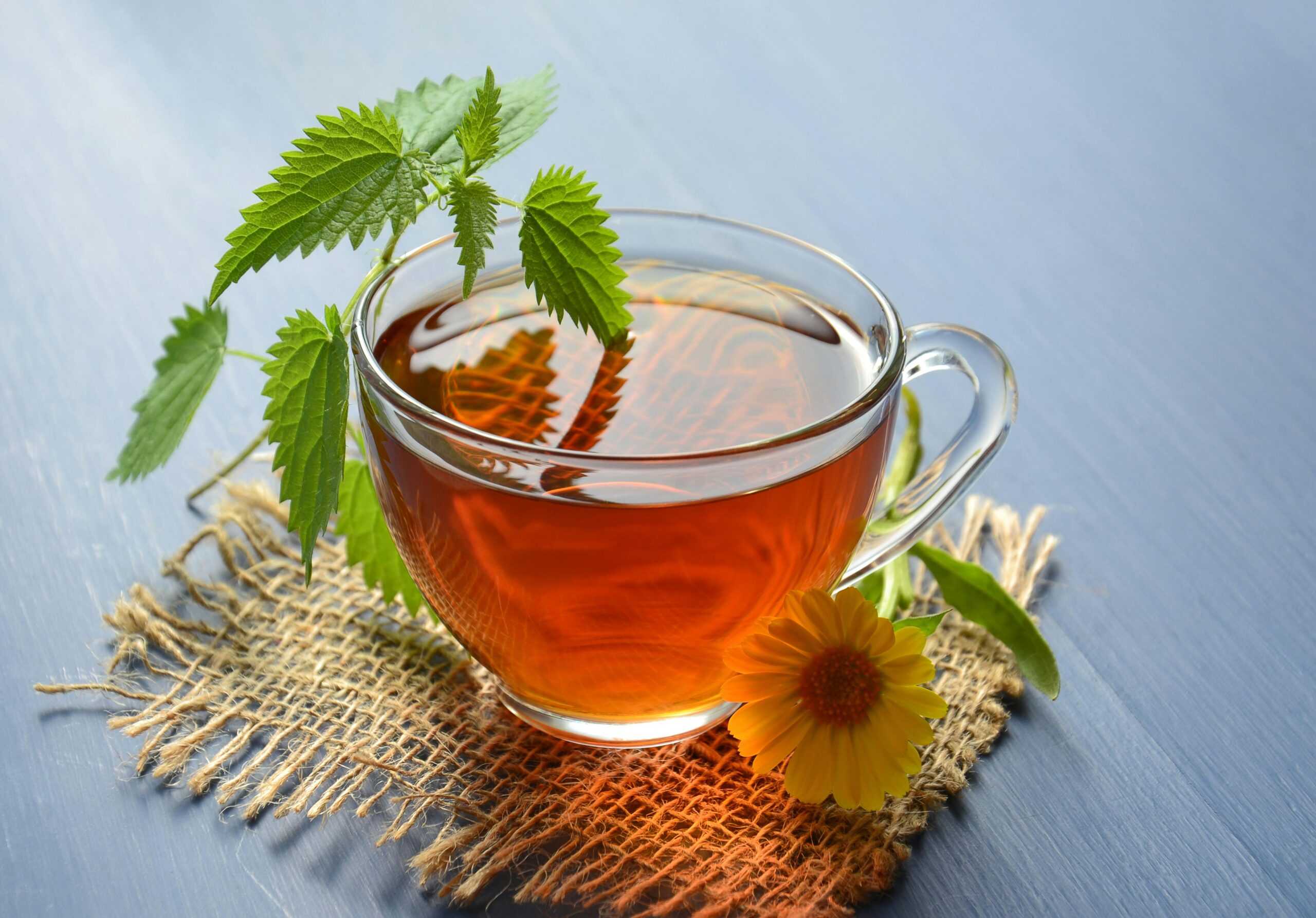
Embracing Natural Circulation Support for Lifelong Vitality 🌿
Botanical teas offer a gentle, sustainable approach to supporting your circulatory system. Unlike quick fixes that force dramatic changes, these time-honored remedies work with your body’s natural wisdom to restore optimal function.
The herbs we’ve explored—from ancient ginkgo to warming ginger, heart-nourishing hawthorn to antioxidant-rich hibiscus—each contribute unique compounds that support vascular health through complementary mechanisms.
Start with one or two options that resonate with your needs and preferences. Pay attention to how your body responds, and adjust accordingly. Remember that everyone’s biochemistry differs, so what works brilliantly for one person may require modification for another.
With patience and consistency, these botanical allies can help you achieve better circulation, enhanced energy, and improved overall wellness. Your cardiovascular system works tirelessly every moment of your life—nourishing it with therapeutic botanicals is a beautiful way to honor and support this vital foundation of health.
