
Anúncios
Improving your pet’s behavior doesn’t have to be overwhelming. With the right approach and consistent practice, you can transform daily challenges into rewarding training moments.


Every pet owner faces behavioral challenges at some point, whether it’s excessive barking, jumping on guests, or pulling on the leash during walks. These issues aren’t signs of a bad pet—they’re simply communication gaps waiting to be bridged through proper training and understanding.
The good news is that behavioral improvement is entirely achievable with patience, the right techniques, and a commitment to consistency. This guide explores practical, science-backed alternatives that work for dogs, cats, and other companion animals, helping you build a harmonious relationship with your furry friend. 🐾
Understanding the Root Causes of Behavioral Issues

Before implementing any training strategy, it’s essential to understand why your pet behaves the way they do. Many behavioral problems stem from unmet needs, fear, anxiety, or lack of proper socialization during critical developmental periods.
Dogs, for instance, are pack animals with inherent social structures. When they don’t understand their role within your household, confusion and anxiety can manifest as destructive behavior or aggression. Cats, being territorial creatures, may act out when their environment feels unsafe or their routine is disrupted.
Identifying the underlying cause allows you to address the real issue rather than just the symptoms. A dog that barks excessively might be bored, anxious, or trying to alert you to something. A cat scratching furniture could be marking territory, sharpening claws, or expressing stress.
Positive Reinforcement: The Foundation of Modern Pet Training
Positive reinforcement has revolutionized how we approach pet behavior modification. This method rewards desired behaviors rather than punishing unwanted ones, creating a learning environment based on trust and motivation.
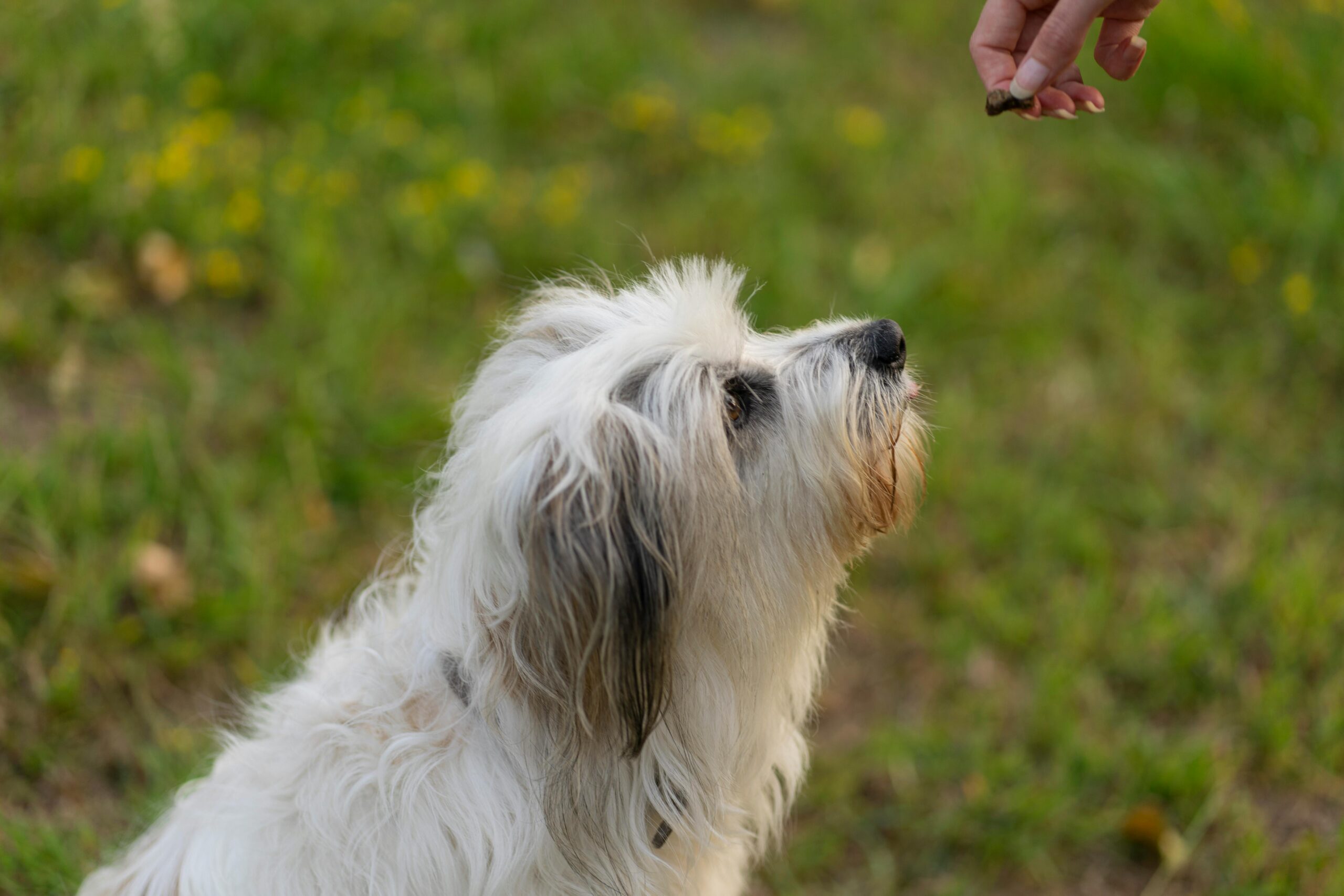
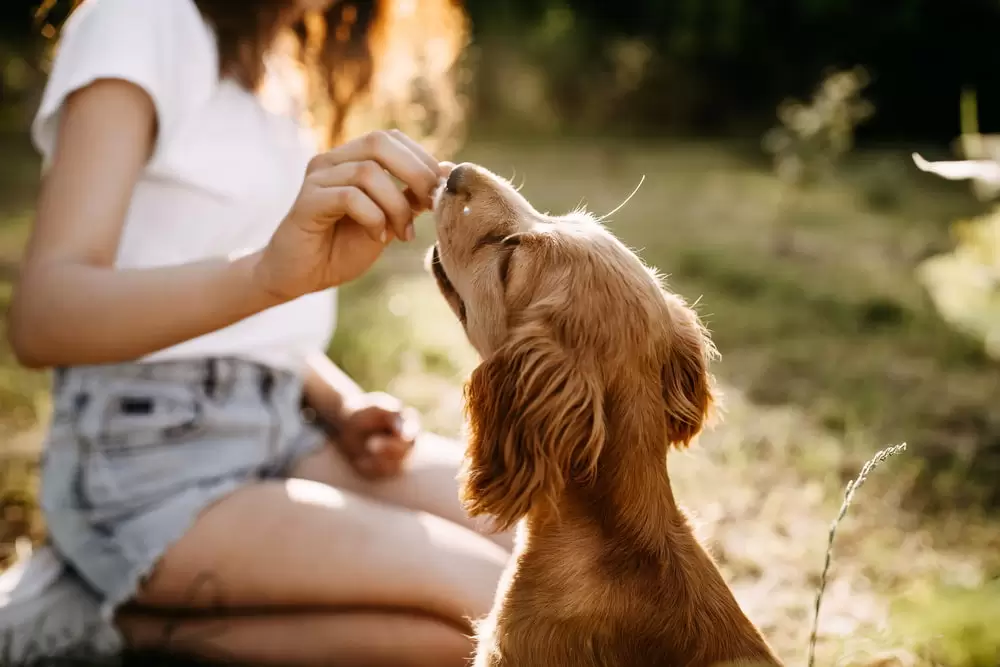
When your pet performs a behavior you want to encourage, immediately reward them with treats, praise, or playtime. The timing is crucial—rewards must come within seconds of the behavior to create a clear mental connection.
This approach works because pets repeat behaviors that result in positive outcomes. A puppy that receives a treat for sitting on command will eagerly sit again, anticipating the reward. Over time, the behavior becomes habitual, even when rewards become intermittent.
Implementing Reward-Based Training Effectively
Success with positive reinforcement requires consistency from everyone in your household. Mixed signals confuse pets and slow progress. If one family member allows jumping while another discourages it, your pet won’t understand the expectation.
Start with high-value rewards—something your pet absolutely loves. For food-motivated animals, small pieces of chicken or cheese work wonderfully. For play-driven pets, a favorite toy or game might be more effective than treats.
Gradually reduce treat frequency as behaviors become established, transitioning to intermittent reinforcement. This actually strengthens the behavior, as pets continue performing actions with the hope of earning rewards, similar to how slot machines keep people engaged.
Establishing Clear Communication Through Commands
Teaching basic commands creates a common language between you and your pet. Commands like “sit,” “stay,” “come,” and “leave it” aren’t just party tricks—they’re essential tools for managing behavior and ensuring safety.
Begin with one command at a time in a distraction-free environment. Use a clear, consistent word paired with a hand signal. Dogs respond particularly well to visual cues, while cats may require more patience and shorter training sessions.
Practice commands daily in short bursts of 5-10 minutes. Pets have limited attention spans, and marathon training sessions lead to frustration on both sides. Multiple brief sessions throughout the day yield better results than one long session.
Environmental Enrichment: Preventing Boredom-Related Behaviors
Many behavioral problems arise simply because pets are understimulated. Dogs bred for specific jobs—herding, hunting, retrieving—have energy and intelligence that needs appropriate outlets. Without them, they’ll create their own entertainment, often in ways you won’t appreciate.
Environmental enrichment addresses this by providing mental and physical stimulation. For dogs, this might include puzzle feeders, interactive toys, scent work activities, or agility training. Cats benefit from vertical spaces, scratching posts, window perches, and hunting-simulation toys.
Rotating toys keeps them interesting. Instead of leaving all toys available constantly, offer a few at a time and swap them weekly. This maintains novelty and engagement without constantly purchasing new items.
Physical Exercise Requirements by Pet Type
Different breeds and species have vastly different exercise needs. A Border Collie requires significantly more activity than a Bulldog, while a Bengal cat needs more engagement than a Persian.
Research your pet’s breed characteristics and adjust accordingly. High-energy dogs typically need at least 60-90 minutes of vigorous exercise daily, split into multiple sessions. This might include walks, runs, fetch, swimming, or dog sports.
Even indoor cats benefit from interactive play sessions that mimic hunting behaviors. Feather wands, laser pointers (always ending with a physical toy they can “catch”), and motorized toys satisfy predatory instincts in safe, appropriate ways.
Socialization: Building Confidence and Reducing Anxiety
Proper socialization dramatically reduces fear-based behavioral issues. Pets exposed to various people, animals, environments, and experiences during critical developmental periods grow into confident, adaptable adults.
For puppies, this critical window occurs between 3-14 weeks of age. For kittens, it’s between 2-7 weeks. During these periods, positive exposures shape lifelong behavioral patterns. However, older pets can still benefit from gradual, positive socialization experiences.
Introduce new experiences slowly and positively. If your dog seems fearful of strangers, don’t force interactions. Instead, have visitors toss treats from a distance, allowing your pet to approach voluntarily. This builds positive associations at a comfortable pace.
Addressing Fear and Anxiety Triggers
Identifying specific triggers allows you to implement desensitization and counter-conditioning protocols. If your dog panics during thunderstorms, gradually expose them to recorded storm sounds at very low volumes while providing treats and calm reassurance.
Over weeks or months, slowly increase volume as your pet remains relaxed, always pairing the trigger with positive experiences. This rewires the emotional response from fear to neutrality or even anticipation of good things.
For severe anxiety, consult a veterinary behaviorist who can develop a comprehensive treatment plan, potentially including behavior modification protocols and anti-anxiety medications when appropriate.
Consistency and Routine: Creating Predictability
Pets thrive on predictable routines. Regular feeding times, walk schedules, and play sessions provide structure that reduces anxiety and behavioral problems stemming from uncertainty.
Establish a daily routine and stick to it as closely as possible. Dogs particularly appreciate knowing when meals, walks, and playtime occur. This predictability reduces anxiety-driven behaviors like excessive barking or destructive chewing.
Cats also benefit from routine, despite their independent reputation. Scheduled feeding times, play sessions, and even predictable human work schedules help cats feel secure in their environment.
Redirecting Unwanted Behaviors Rather Than Simply Punishing
When your pet engages in unwanted behavior, redirection proves more effective than punishment. Instead of yelling when your puppy chews your shoe, calmly remove it and offer an appropriate chew toy, praising when they engage with the toy.
This approach teaches what to do rather than just what not to do. Pets understand positive instruction better than abstract concepts like “don’t chew inappropriate items.” By providing acceptable alternatives, you satisfy the underlying need while guiding behavior appropriately.
For cats scratching furniture, place scratching posts near targeted furniture, use deterrent sprays on unwanted surfaces, and enthusiastically reward any use of appropriate scratching areas. Declawing is never an acceptable solution—it’s painful, alters behavior negatively, and is banned in many progressive regions. 🚫
The Power of Calm Energy and Patience
Pets are incredibly sensitive to human energy and emotions. When you’re stressed, anxious, or frustrated, your pet detects and often mirrors these feelings, which can escalate behavioral issues.
Approach training with calm, patient energy. If you feel yourself becoming frustrated, take a break. Training should be enjoyable for both parties. Forced or angry training sessions damage your relationship and undermine progress.
Practice mindfulness during interactions with your pet. Deep breathing, maintaining relaxed body language, and speaking in calm tones create an environment conducive to learning and positive behavior.
Using Technology and Professional Resources Wisely
Modern technology offers remarkable tools for pet training. Apps provide structured training programs, video demonstrations, and progress tracking. Some even offer personalized plans based on your pet’s specific needs and behavioral challenges.
These digital resources democratize access to professional training knowledge that was once available only through expensive private trainers. However, they work best when combined with real-world practice and, when needed, professional consultation.
For complex behavioral issues—aggression, severe anxiety, or compulsive behaviors—nothing replaces working with a certified animal behaviorist or veterinary behaviorist. These professionals assess your specific situation and develop customized treatment plans.
When to Seek Professional Help
Don’t hesitate to consult professionals when facing persistent behavioral challenges. Signs you should seek expert guidance include aggression toward people or other animals, self-harming behaviors, severe separation anxiety, or any behavior that compromises safety.
Certified Professional Dog Trainers (CPDT) and International Association of Animal Behavior Consultants (IAABC) members adhere to science-based, humane training methods. Veterinary behaviorists combine behavioral expertise with medical knowledge, addressing both psychological and potential physiological causes.
Early intervention prevents problems from becoming deeply ingrained. What seems like a minor issue can escalate if left unaddressed, so seeking help sooner rather than later saves time, stress, and potential danger.
Managing Multi-Pet Households Successfully
Multiple pets introduce additional complexity to behavior management. Resource guarding, territorial disputes, and personality clashes can create tension affecting everyone’s behavior.
Ensure each pet has their own resources—food bowls, water dishes, beds, toys, and litter boxes (for cats, the rule is one per cat plus one extra). This reduces competition and resource-related conflict.
Supervise interactions initially, intervening calmly if tension arises. Teach and reinforce calm, polite behavior around other pets through positive reinforcement. Sometimes pets need separate spaces during meals or high-value treat times to prevent conflict.
Nutrition’s Role in Behavior and Mood
Diet significantly impacts behavior, mood, and energy levels. Low-quality foods with excessive fillers, artificial additives, or inappropriate protein levels can contribute to hyperactivity, attention problems, and even aggression in some animals.
High-quality, species-appropriate nutrition supports stable energy levels and optimal brain function. For dogs, this means quality protein sources, appropriate fat levels, and balanced nutrients. Cats, as obligate carnivores, require high protein, animal-based diets.
Food sensitivities or allergies can also affect behavior. If your pet displays unexplained behavioral changes alongside physical symptoms like skin issues or digestive upset, consult your veterinarian about potential dietary factors.
Creating Safe Spaces and Respecting Boundaries
Every pet needs a safe retreat where they can decompress without interference. This might be a crate, a specific room, a cat tree, or a cozy bed in a quiet corner. Teaching children and visitors to respect these spaces prevents stress and fear-based behaviors.
Recognize and respect your pet’s communication signals. A dog showing whale eye (whites of eyes visible), lip licking, or yawning is displaying stress. A cat with flattened ears, dilated pupils, or a twitching tail is approaching their threshold. Respecting these warnings prevents situations from escalating to bites or scratches.
Never force interactions when your pet seeks space. This teaches them that their communication is effective and trusted, reducing anxiety and increasing confidence over time.
Building Lifelong Learning Habits
Training isn’t something you complete and then forget—it’s an ongoing process throughout your pet’s life. Regular practice maintains established behaviors while teaching new skills keeps minds sharp, especially important for senior pets.
Continue brief daily training sessions even after mastering basic commands. Introduce fun tricks, try new activities like nose work or agility, or simply practice known commands in new environments with increasing distractions.
This ongoing engagement strengthens your bond, provides mental stimulation, and reinforces your pet’s understanding that learning and cooperation lead to positive outcomes. Pets with active mental lives are generally happier, better behaved, and more adaptable.
Celebrating Progress and Maintaining Realistic Expectations 🎉
Behavior modification takes time—sometimes weeks or months for significant changes. Celebrate small victories along the way rather than fixating solely on the end goal. Each successful training session, each moment of improved behavior, deserves recognition.
Set realistic expectations based on your pet’s age, breed, history, and individual personality. A rescue dog with past trauma will progress differently than a well-socialized puppy. An elderly cat will learn differently than a curious kitten.
Some behaviors may never completely disappear, and that’s okay. The goal is progress, not perfection. A dog that once lunged at every passing dog but now sits calmly for most has made tremendous progress, even if occasional reactions still occur.
Remember that setbacks are normal and don’t erase previous progress. Life changes, stressful events, or simply off days can temporarily affect behavior. Respond with patience and consistency, returning to basics when needed, and progress will resume.
Your dedication to improving your pet’s behavior demonstrates love and commitment to their wellbeing. With the practical alternatives outlined here—positive reinforcement, clear communication, environmental enrichment, proper socialization, and consistent routines—you’re equipped to guide your pet toward being their best self. The journey requires patience and persistence, but the reward of a well-adjusted, happy companion makes every effort worthwhile. 💚
