
Anúncios
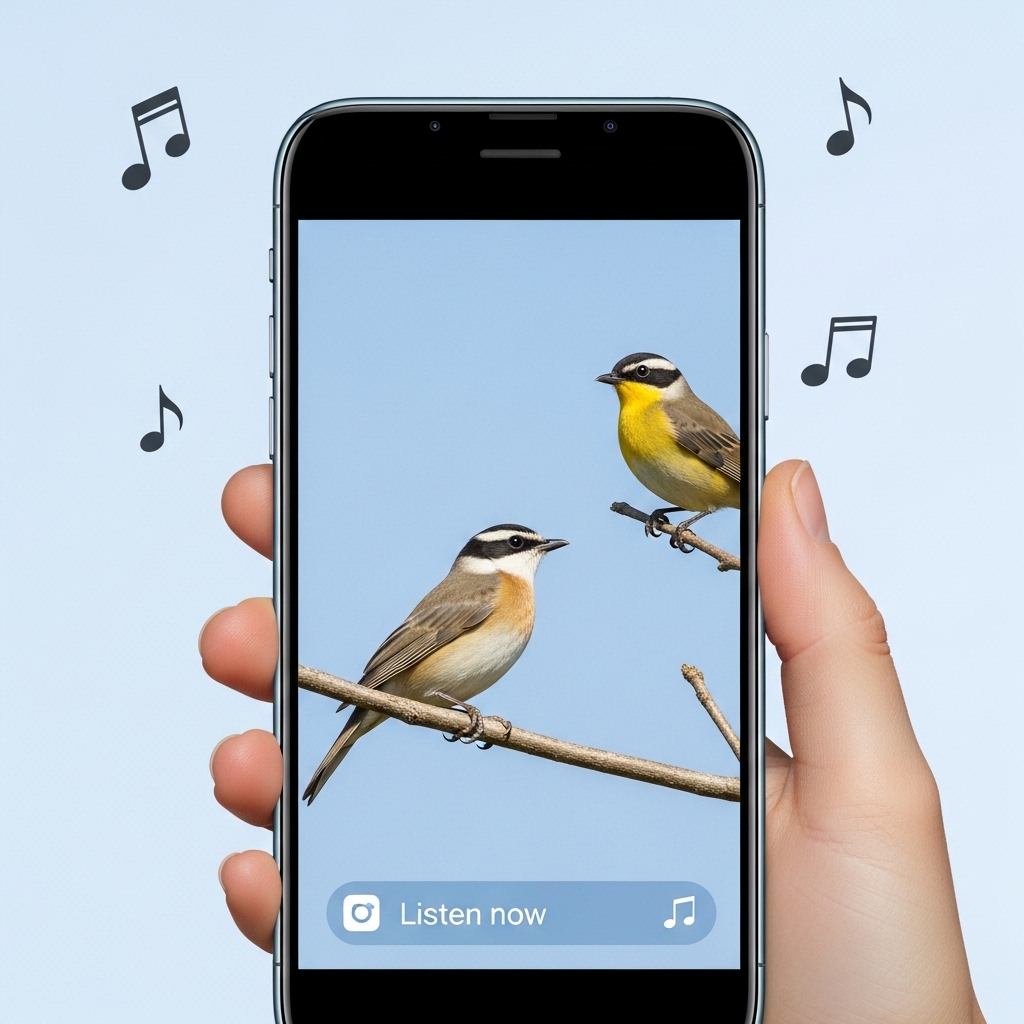
Bird sounds have a unique way of connecting us with nature, even when we’re indoors. Mobile apps now bring these melodies to our fingertips, offering everything from relaxation to bird identification tools.
Whether you’re a birdwatcher, a nature enthusiast, or someone seeking tranquility through natural sounds, bird sound applications have revolutionized how we experience avian acoustics. These digital tools serve multiple purposes, from educational resources to meditation aids, making them valuable companions for various lifestyles.
The growing popularity of these apps reflects our collective desire to reconnect with the natural world. In an increasingly urbanized society, bird sound applications provide an accessible gateway to nature’s symphony, offering both practical identification features and therapeutic soundscapes that enhance our daily lives.


🎵 Why Bird Sound Apps Have Become Essential Tools
The digital age has transformed how we interact with wildlife, and bird sound applications represent a perfect marriage between technology and nature appreciation. These apps have evolved from simple sound libraries into sophisticated platforms that combine artificial intelligence, community science, and expert ornithological knowledge.
Modern bird sound apps serve birders at all skill levels. Beginners appreciate the guided identification features, while experienced ornithologists value the comprehensive databases and rare species recordings. The accessibility factor cannot be overstated—anyone with a smartphone can now carry thousands of bird songs in their pocket, ready to access during field observations or backyard birding sessions.
Beyond identification, these applications contribute to citizen science initiatives. Users can record and share their observations, helping researchers track migration patterns, population changes, and species distribution. This crowdsourced data has become invaluable for conservation efforts worldwide, demonstrating how personal hobby apps can support broader ecological research.
🔍 Top Features That Define Quality Bird Sound Applications
Not all bird sound apps are created equal. The best ones share certain characteristics that enhance user experience and provide genuine educational value. Understanding these features helps you choose the right app for your specific needs.
Comprehensive Sound Libraries
Premium bird sound applications boast extensive audio collections featuring thousands of species. These libraries typically include multiple recordings per species, showcasing different call types—songs, alarm calls, flight calls, and juvenile vocalizations. This variety is crucial because birds don’t always sing the same way, and understanding their vocal repertoire provides deeper insights into their behavior.
Quality matters just as much as quantity. Professional-grade recordings captured in natural habitats offer clarity that helps users distinguish subtle differences between similar species. Many apps now include high-definition audio files that preserve the nuanced frequencies essential for accurate identification.

Intelligent Identification Technology
Artificial intelligence has revolutionized bird sound apps. Sound identification features allow users to record unknown bird calls and receive instant species suggestions. These algorithms analyze acoustic signatures—pitch, rhythm, frequency patterns—and compare them against vast databases to provide matches.
Visual Identification Support
The accuracy of these systems continues improving as machine learning models process more data. Some applications achieve identification success rates exceeding 90% for common species in optimal recording conditions. However, users should remember that ambient noise, distance from the bird, and recording quality all affect results.
The best bird sound apps integrate visual references alongside audio content. Detailed photographs, range maps, and field mark descriptions complement the acoustic information, creating a multi-sensory identification experience. This holistic approach proves especially helpful when dealing with visually similar species that have distinct vocalizations.
Interactive features like side-by-side comparison tools allow users to simultaneously view and hear similar species, highlighting the differences that distinguish them. This comparative learning method accelerates skill development for novice birders.
🌍 Popular Bird Sound Apps Worth Exploring
The app marketplace offers numerous options for bird enthusiasts, each with unique strengths. Here’s a closer look at some standout applications that have earned praise from the birding community.
Merlin Bird ID by Cornell Lab
Developed by the prestigious Cornell Lab of Ornithology, Merlin has become the gold standard for bird identification apps. Its Sound ID feature uses advanced algorithms to identify birds from audio recordings in real-time. The app asks simple questions about observation conditions—location, date, bird size, colors—then provides likely species matches.
What sets Merlin apart is its completely free access to comprehensive content covering thousands of species worldwide. Regular updates add new regions and species, while the intuitive interface makes it accessible even for complete beginners. The offline functionality ensures you can identify birds in remote areas without internet connectivity.
BirdNET Sound Analyzer
BirdNET represents cutting-edge research in acoustic monitoring technology. This free application uses neural networks trained on millions of bird sound recordings to identify species from audio files or live recordings. The system continuously improves as it processes more data from users worldwide.
Particularly impressive is BirdNET’s ability to analyze longer recordings, automatically detecting and identifying all bird sounds within a file. This makes it invaluable for reviewing recordings from backyard setups or field research equipment. The app also contributes to scientific research, as anonymized observation data helps scientists understand species distribution patterns.
Audubon Bird Guide
The National Audubon Society’s app combines beautiful design with substantial content. It features stunning photography, detailed species accounts, and high-quality sound recordings. The range maps use eBird data to show real-time species occurrence, helping users understand seasonal movements and local abundance.
The app’s “Birds Near Me” feature uses GPS to highlight species likely in your current location, streamlining the identification process. Social features allow users to share sightings and discoveries with the birding community, fostering connections among enthusiasts.
🧘 Therapeutic Benefits of Bird Sound Applications
Beyond identification and education, bird sound apps serve wellness purposes. Natural soundscapes, particularly birdsong, have documented psychological benefits that many people now harness through mobile applications.
Research indicates that listening to bird sounds reduces stress, lowers cortisol levels, and improves mood. These effects occur because natural sounds activate the parasympathetic nervous system, promoting relaxation and recovery from mental fatigue. Urban dwellers especially benefit from these audio escapes, as they provide brief respites from the constant mechanical noise of city environments.
Meditation and Sleep Enhancement
Several apps focus specifically on the therapeutic aspects of birdsong. These applications offer curated soundscapes designed for meditation, focus, or sleep. Unlike identification apps, they prioritize audio quality and ambient mixing, creating immersive experiences that mask disruptive environmental sounds.
Features like customizable timers, fade-out functions, and mix-your-own-soundscape options allow users to personalize their experience. Some apps combine bird sounds with gentle rain, flowing water, or forest ambience, creating layered natural soundscapes that enhance relaxation effects.
Productivity and Concentration
Nature sounds, including birdsong, can improve concentration and productivity. The phenomenon called “attention restoration theory” suggests that natural sounds help restore directed attention capacity depleted by demanding cognitive tasks. Many people use bird sound apps as background audio while working, studying, or engaging in creative activities.
The key lies in selecting non-intrusive species whose songs provide gentle acoustic texture without demanding active listening. Continuous, softer vocalizations work better than loud, punctuated calls that might disrupt focus.
📚 Educational Applications for Learning and Teaching
Bird sound apps have become valuable educational resources in formal and informal learning environments. Teachers incorporate them into science curricula, environmental education programs utilize them for field studies, and parents use them to introduce children to wildlife appreciation.
The interactive nature of these apps engages learners more effectively than traditional field guides. Students can immediately hear what they’re reading about, reinforcing connections between visual and auditory information. Quiz features in some apps gamify the learning process, making bird identification an enjoyable challenge rather than rote memorization.
Building Observational Skills
Regular use of bird sound apps develops important observational skills. Users learn to notice subtle differences in pitch, rhythm, and tone quality—distinctions that transfer to other areas of auditory learning. This ear training benefits musicians, language learners, and anyone working to improve auditory discrimination abilities.
The apps also teach patience and attention to detail. Identifying birds by sound requires careful listening and mental comparison against known references, skills that strengthen with practice. Over time, users develop mental libraries of bird songs, enabling instant recognition without technological assistance.
🌟 Maximizing Your Bird Sound App Experience
Getting the most from bird sound applications requires more than just downloading and opening them. Strategic use enhances both enjoyment and learning outcomes.
Regular Practice Sessions
Like any skill, bird identification improves with consistent practice. Dedicate short sessions to learning new species, focusing on a few at a time rather than overwhelming yourself with dozens. Repetition strengthens memory formation, so listening to the same species multiple times across different days proves more effective than marathon sessions.
Create personalized playlists of local species or target groups you want to master. Seasonal playlists help prepare for migration periods when new species arrive in your area.
Field Application Techniques
When using identification features in the field, position your phone’s microphone toward the sound source and minimize handling noise. Record for at least 10-15 seconds to capture enough material for accurate analysis. In noisy environments or when birds are distant, results may be less reliable—apps work best with clear, close recordings.
Don’t rely exclusively on app identifications. Cross-reference suggestions with visual observations, habitat context, and seasonal occurrence data. This multi-factor approach builds identification confidence and prevents misidentifications.
Contributing to Citizen Science
Many apps allow users to submit observations to scientific databases like eBird. Taking a few extra seconds to record your sightings contributes valuable data to global biodiversity monitoring efforts. Ensure submissions include accurate location information and be honest about identification certainty—marking observations as “uncertain” when appropriate maintains data quality.
🔧 Technical Considerations and Tips
Optimizing your device settings enhances app performance and user experience. These technical adjustments might seem minor but can significantly impact functionality.
Storage space becomes relevant with apps containing extensive offline content. High-quality audio files consume considerable memory, so ensure adequate storage before downloading complete species packs. Many apps allow selective downloads—choosing only regional species conserves space while maintaining functionality for your area.
Battery consumption varies between apps, particularly those using AI identification features or GPS tracking. Carrying a portable charger during extended field sessions prevents unfortunate situations where your phone dies mid-birding excursion.
Audio Quality Equipment
While phone microphones have improved dramatically, external microphones elevate recording quality substantially. Affordable directional microphones that connect to smartphones capture distant birds more clearly and reduce background noise. For serious recording enthusiasts, dedicated audio recorders offer professional-grade results that reveal subtle vocal details invisible to standard phone microphones.
Headphones also matter when listening to bird sounds, especially for learning subtle differences. Quality headphones reproduce the full frequency range of bird vocalizations, including high-pitched elements that smartphone speakers may not accurately render.
🌱 Conservation Connections Through Technology
Bird sound apps foster environmental awareness that often translates into conservation action. Users who invest time learning about birds typically develop stronger connections to nature and greater concern for habitat preservation.
Understanding bird vocalizations reveals ecosystem health indicators. Changes in local bird populations—noticed through regular observation aided by apps—can signal environmental problems requiring attention. This grassroots monitoring supplements professional research, creating broader surveillance networks than scientists alone could maintain.
Many app developers partner with conservation organizations, directing portions of proceeds toward habitat protection and research funding. By choosing these apps, users directly support conservation work while enjoying their features.
🎯 Choosing the Right App for Your Needs
The ideal bird sound app depends on your primary goals. Identification enthusiasts should prioritize comprehensive databases and accurate AI features. Wellness seekers benefit from apps emphasizing sound quality and ambient mixing capabilities. Educators need user-friendly interfaces and reliable offline functionality.
Many users find value in maintaining multiple apps, using different ones for various purposes. A powerful identification app might complement a relaxation-focused soundscape app, providing both learning tools and stress relief in one digital toolkit.
Free trials or lite versions allow testing before committing to paid subscriptions. Take advantage of these opportunities to explore interfaces and assess whether the app’s approach matches your learning style and needs.
🚀 The Future of Bird Sound Technology
Emerging technologies promise exciting developments in bird sound applications. Improved AI models will increase identification accuracy while reducing computational requirements. Augmented reality features might overlay visual and acoustic information onto real-world views through smartphone cameras, creating immersive identification experiences.
Integration with smart home devices could enable continuous backyard monitoring, with apps alerting users to unusual species appearances. Social features will likely expand, creating more robust communities where birders share discoveries, seek identification help, and collaborate on citizen science projects.
As environmental awareness grows globally, bird sound apps will play increasingly important roles in connecting people with nature, supporting scientific research, and fostering conservation ethics. These pocket-sized tools represent powerful bridges between technology and the natural world, making ornithology accessible to anyone curious about the feathered creatures sharing our planet.
The symphony of bird sounds surrounding us daily contains stories of migration, territory, courtship, and survival. Bird sound applications decode these acoustic narratives, transforming random chirps into meaningful conversations we can understand and appreciate. Whether you’re identifying a mysterious dawn singer, relaxing to forest soundscapes, or contributing observations to science, these apps enrich our relationship with the avian world in ways previous generations could only imagine.
