Anúncios
Tired of searching for your TV remote? Modern technology allows you to transform your smartphone into a powerful universal remote control, bringing convenience and practicality to your daily entertainment routine.

The evolution of smart home technology has made controlling your television through your phone remarkably simple. Whether you’ve lost your physical remote, the batteries died at the worst possible moment, or you simply want to consolidate all your devices into one convenient interface, mobile remote control apps offer an elegant solution.
These applications utilize various connection methods including infrared (IR), Wi-Fi, and Bluetooth to communicate with your television. The best part? Most of them work with multiple brands and models, eliminating the need for separate remotes for each device in your entertainment center.
📱 How Phone-Based TV Remote Apps Actually Work
Understanding the technology behind these apps helps you choose the right one for your specific situation. Different smartphones and televisions use various methods to establish communication, and knowing which technology your devices support makes all the difference.
Infrared technology is the traditional method used by physical remotes for decades. Some smartphones, particularly certain Android models, come equipped with built-in IR blasters that can mimic the signals sent by conventional remotes. This technology works universally with nearly any TV that accepts IR signals, regardless of whether it’s a smart TV or an older model.
Wi-Fi connectivity represents the modern approach, requiring both your phone and television to connect to the same wireless network. This method offers enhanced functionality including content streaming, screen mirroring, and access to smart TV features. It’s particularly effective with newer smart televisions from brands like Samsung, LG, Sony, and Roku.
Bluetooth connections provide another wireless option, offering a middle ground between IR and Wi-Fi. While not as feature-rich as Wi-Fi connections, Bluetooth doesn’t require your phone to have an IR blaster and works even without an internet connection.
🌟 Top Features to Look for in TV Remote Apps
Not all remote control applications are created equal. The difference between a frustrating experience and a genuinely helpful tool often comes down to specific features and design choices that prioritize user experience.
Universal compatibility stands as perhaps the most critical feature. The best apps support multiple TV brands and models, saving you from downloading separate applications for each device. Look for apps that include extensive databases of television models and regularly update their supported device lists.
Intuitive interface design cannot be overstated. Your phone screen becomes your remote, so the layout should feel natural and responsive. Large, clearly labeled buttons, customizable layouts, and quick access to frequently used functions make the experience enjoyable rather than cumbersome.
Keyboard functionality transforms text input from a tedious button-mashing exercise into something quick and effortless. Whether you’re searching for content on streaming apps or entering Wi-Fi passwords, having your phone’s full keyboard available saves tremendous time and frustration.
Voice control integration adds another layer of convenience, allowing you to search for content, change channels, or adjust settings using natural language. This feature particularly shines when combined with smart TV platforms that already support voice commands.
🔧 Setting Up Your Phone as a TV Remote
Getting started with a mobile remote app typically takes just a few minutes, though the exact process varies depending on your connection method and TV brand. The setup process is straightforward once you understand the basic requirements.
For IR-based connections, the process is beautifully simple. Download your chosen app, select your TV brand and model from the database, and start using it immediately. The app sends IR signals through your phone’s built-in blaster, just like a traditional remote. No pairing or network configuration needed.
Wi-Fi connections require a bit more initial setup but offer expanded capabilities. Ensure your phone and TV connect to the same wireless network, then launch the app which will typically scan for compatible devices automatically. Select your television from the discovered devices list, and you may need to confirm the connection on your TV screen by entering a code or accepting a pairing request.
First-time setup might require your original remote to navigate initial pairing steps, so it’s wise to configure your phone app before the physical remote disappears into the couch cushions. Once paired, however, you’ll rarely need the original remote again.
📺 Brand-Specific Apps vs Universal Remote Apps
Choosing between manufacturer-specific apps and universal remote solutions depends on your home entertainment setup and personal preferences. Each approach offers distinct advantages worth considering.
Brand-specific applications like Samsung SmartThings, LG ThinQ, or Sony TV SideView provide deep integration with their respective televisions. These official apps often include features unavailable in universal alternatives, such as advanced picture settings, firmware updates, and seamless integration with other devices from the same manufacturer.
The limitation, of course, is that these apps only work with their intended brand. If you have multiple televisions from different manufacturers, or if you upgrade to a different brand in the future, you’ll need separate apps for each device, cluttering your phone and complicating your routine.
Universal remote apps solve this fragmentation problem by supporting numerous brands within a single application. They provide consistent interfaces across different devices, making it easier to switch between controlling your living room TV and your bedroom television without learning new layouts or switching apps.
The trade-off comes in slightly reduced functionality compared to official apps. Universal remotes focus on core features—power, volume, channels, inputs, and basic navigation—while brand-specific apps dive deeper into advanced settings and ecosystem integration.
💡 Advanced Functions Beyond Basic Control
Modern remote control apps have evolved far beyond simple button replication. The capabilities available through your smartphone often exceed what traditional remotes ever offered, transforming how you interact with your television.
Screen mirroring lets you cast photos, videos, and presentations from your phone directly to your TV. This feature turns your television into an extension of your mobile device, perfect for sharing vacation photos with family or presenting work materials during meetings.
Content recommendations and search functions leverage your phone’s processing power and input methods. Rather than awkwardly navigating on-screen keyboards with directional buttons, you can type searches naturally and receive intelligent suggestions based on your viewing history.
Multi-device control centralizes all your entertainment equipment in one interface. Beyond just your television, many apps can control soundbars, streaming devices, cable boxes, and even smart home lighting, creating a comprehensive entertainment control center in your pocket.
Scheduled actions and automation represent the cutting edge of remote control functionality. Set your TV to turn on at specific times, automatically switch to your favorite news channel in the morning, or power down after you’ve fallen asleep—all managed through your phone app.
🔒 Privacy and Security Considerations
Connecting your smartphone to your television introduces important privacy and security considerations that shouldn’t be overlooked. Understanding these concerns helps you make informed decisions about which apps to trust.
Network security becomes paramount when using Wi-Fi-based remote apps. Both your phone and TV become potential entry points for unauthorized access if your home network isn’t properly secured. Use strong, unique passwords for your Wi-Fi network and keep both your phone and TV firmware updated with the latest security patches.
App permissions require careful attention. Remote control apps request various permissions—network access is necessary for Wi-Fi-based remotes, but be cautious of apps requesting unrelated permissions like contacts, photos, or location data. Stick with reputable apps from known developers with strong privacy policies.
Data collection practices vary significantly between apps. Free applications often monetize through advertising or data collection, while paid apps typically rely on purchase revenue and collect minimal user information. Review privacy policies and user reviews to understand how your data will be used before installation.
🛠️ Troubleshooting Common Connection Issues
Even the best remote control apps occasionally experience connectivity problems. Knowing how to quickly diagnose and resolve common issues keeps your setup running smoothly without frustration.
Connection failures typically stem from network problems. Verify that both your phone and television remain connected to the same Wi-Fi network, as some homes have multiple networks or guest networks that create separation. Restarting your router often resolves temporary network glitches that prevent device discovery.
IR blaster problems on Android devices sometimes result from physical obstructions or incorrect positioning. The IR emitter, usually located at the top of your phone, requires a clear line of sight to your television’s sensor, typically found near the power indicator light. Remove phone cases that might block the IR port and ensure you’re pointing directly at the TV sensor.
App compatibility issues emerge when software updates change functionality or device support. If your previously working setup suddenly stops functioning, check for app updates in your app store, as developers frequently release fixes for compatibility problems. Similarly, TV firmware updates can sometimes disrupt connection protocols, requiring app developers to issue corresponding updates.
Pairing failures often indicate timeout issues or interference. The pairing process typically requires quick responses—enter codes or confirm connections promptly when prompted. If pairing consistently fails, temporarily disable other devices on your network to reduce potential interference, then reconnect them after successful pairing.
🌐 Best Apps Available for Different Scenarios
The ideal remote control app depends on your specific television, smartphone capabilities, and personal priorities. Different solutions excel in different situations, so matching the app to your needs ensures the best experience.
For Android users with IR blasters, apps like AnyMote and Sure Universal Remote unlock the full potential of your phone’s hardware. These applications support extensive device databases, customizable layouts, and macro functions that execute multiple commands with a single tap. They work with virtually any television that responds to IR signals, making them perfect for older non-smart TVs.
iPhone users face different considerations since Apple devices lack built-in IR blasters. Wi-Fi-based solutions become essential, with apps designed specifically for smart TVs connected to the same network. The apps mentioned earlier provide excellent functionality for iOS users with compatible smart televisions.
Smart TV owners benefit most from platform-specific apps optimized for their television’s operating system. Android TV users find excellent functionality in Google’s official remote app, while Roku owners appreciate the official Roku app’s private listening feature that streams TV audio directly to their phone.
Budget-conscious users can find capable free options that deliver core remote functionality without subscription fees or intrusive advertising. While premium apps offer additional features and polish, many free alternatives provide perfectly adequate basic control for users who primarily need power, volume, and channel functions.
⚡ Maximizing Battery Life While Using Remote Apps
Using your phone as a TV remote does consume battery power, though the impact varies depending on connection method and usage patterns. Smart practices help minimize battery drain while maintaining convenient access to your remote control.
Wi-Fi connections generally consume more power than IR-based controls, as maintaining an active network connection requires continuous radio transmission. However, the difference is relatively modest during typical use. For extended viewing sessions, keeping your phone plugged in nearby eliminates battery concerns entirely.
Screen brightness significantly impacts power consumption, often more than the remote app itself. Since you only need to see your phone screen when actively changing settings, lowering brightness or enabling auto-brightness saves substantial battery life during TV watching sessions.
Background activity matters when apps remain open but unused. Well-designed remote apps enter low-power states when not actively sending commands, but poorly optimized apps might continuously poll for device status or maintain unnecessary connections. Close remote apps when not needed, or choose applications known for efficient power management.
🎯 Creating a Seamless Multi-Room Experience
Homes with televisions in multiple rooms particularly benefit from smartphone remote control solutions. Managing several TVs becomes dramatically simpler when you consolidate control into a single device that’s always with you.
Universal apps with multi-device support let you configure separate profiles for each television in your home. Switch between controlling your living room TV and bedroom TV with a simple menu selection, maintaining separate settings and preferences for each location.
Naming conventions and organization keep multiple TVs manageable within your app. Use clear, location-based names like “Living Room Samsung” or “Master Bedroom LG” rather than default device names. This simple practice prevents confusion when quickly selecting which TV to control.
Family sharing extends convenience to everyone in your household. Most modern remote apps can be installed on multiple phones, allowing each family member to control TVs from their personal devices. This eliminates the age-old problem of “who has the remote” since everyone effectively has their own.
🚀 The Future of TV Control Through Mobile Devices
Mobile remote control technology continues evolving rapidly, with emerging innovations promising even more integrated and intuitive experiences. Understanding upcoming trends helps you anticipate future capabilities and make forward-looking choices.
Artificial intelligence integration will transform how we interact with our televisions. Future apps will learn your viewing preferences, automatically suggesting content based on time of day and mood, adjusting picture settings for different content types, and even anticipating when you want to watch TV based on your routines.
Gesture control represents an exciting frontier, using your phone’s sensors to detect motion-based commands. Wave your phone to adjust volume, draw shapes to navigate menus, or shake to activate specific functions—all without touching the screen.
Cross-platform ecosystems will blur the lines between content sources. Imagine searching for a show once and having your remote app tell you whether it’s available on Netflix, Hulu, cable, or elsewhere, then launching directly to that content with a single tap regardless of source.
Enhanced smart home integration will position TV remotes as central control hubs for entire entertainment environments. A single “movie mode” command could dim lights, close smart blinds, adjust thermostat settings, and power on your TV and sound system simultaneously—all managed through the remote app on your phone.
✨ Making the Switch: Why Your Phone Beats Traditional Remotes
After exploring the capabilities of mobile remote control apps, the advantages over traditional physical remotes become abundantly clear. The convenience and functionality gains genuinely improve daily television viewing experiences.
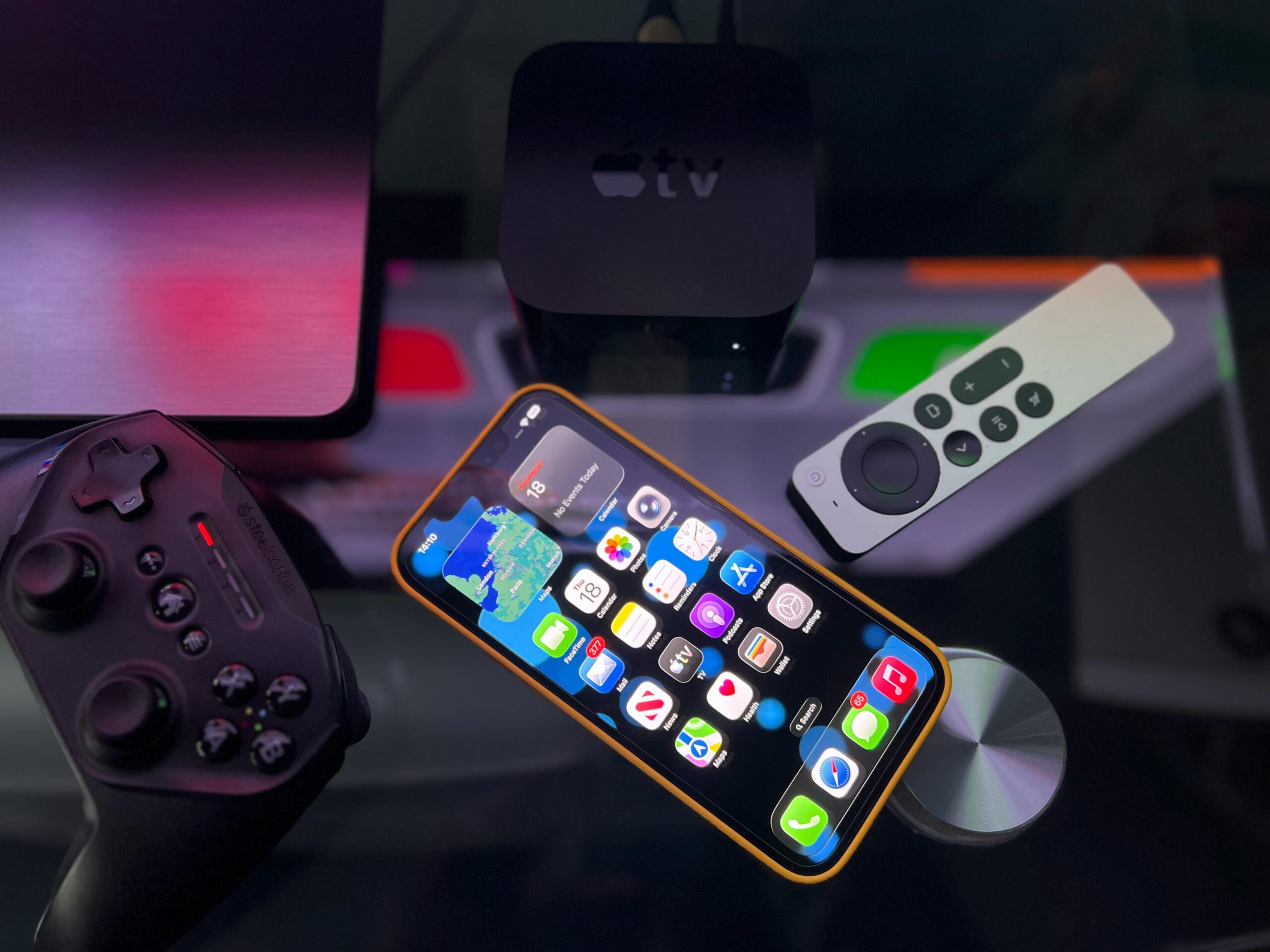
You already carry your phone everywhere, making it the perfect remote control solution. No more searching between couch cushions, checking multiple rooms, or keeping track of separate remotes for each device. Your remote is always in your pocket or within arm’s reach.
Flexibility and customization options far exceed what physical remotes offer. Rearrange buttons to suit your preferences, create custom macros for frequent actions, and update functionality through software without purchasing new hardware. Your remote evolves with your needs.
Cost savings add up quickly. Rather than replacing lost or broken remotes at $20-50 each, your smartphone serves multiple devices through free or inexpensive apps. Universal compatibility means one solution handles current and future TVs without additional purchases.
The learning curve is minimal thanks to familiar smartphone interfaces. If you can navigate your phone, you can use a remote control app. The touchscreen interface feels natural and intuitive, especially for younger users who grew up with smartphones.
Environmental benefits shouldn’t be overlooked either. Reducing electronic waste by eliminating disposable remote controls and their batteries makes a small but meaningful contribution to sustainability. Your phone-based remote requires no additional materials or eventual disposal.
Whether you’re replacing a lost remote, consolidating control of multiple devices, or simply embracing modern convenience, remote control apps deliver impressive functionality that enhances your entertainment experience. The technology has matured to the point where phone-based TV control matches or exceeds traditional remotes in virtually every aspect. Download an app today and discover how much simpler controlling your television can be.
