
Anúncios
Learning the accordion systematically requires structured methodologies, consistent practice routines, and technical understanding of both instrument mechanics and music theory fundamentals.


The accordion represents a complex aerophone instrument that combines bellows operation, keyboard navigation, and bass button coordination simultaneously. For beginners, this multi-tasking requirement often creates initial barriers to entry. However, by deconstructing the learning process into manageable technical modules and implementing evidence-based practice frameworks, novice players can establish solid foundational competencies within structured timelines.
This comprehensive technical guide examines systematic approaches to accordion acquisition, incorporating ergonomic considerations, practice architecture optimization, and progressive skill development protocols. The methodologies presented derive from established pedagogical frameworks adapted specifically for self-directed learners seeking efficient skill acquisition pathways.
🎹 Fundamental Architecture: Understanding Accordion System Components
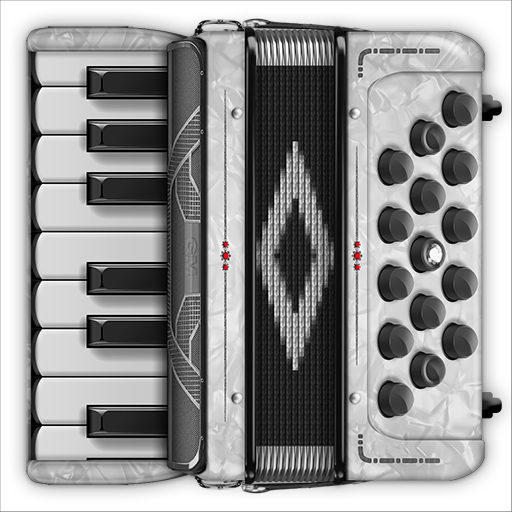
Before implementing practice routines, establishing technical comprehension of the instrument’s mechanical systems proves essential. The accordion operates through three primary subsystems: the treble keyboard mechanism, the bass button array, and the bellows compression system. Each component requires independent skill development before integration into coordinated performance execution.
The treble keyboard typically features piano-style keys ranging from 25 to 45 keys depending on instrument configuration. This right-hand interface controls melodic content and harmonic upper structures. The left-hand bass system comprises standardized button arrays arranged in the Stradella configuration, featuring counter-bass notes, fundamental bass notes, and pre-configured chord buttons organized in the circle of fifths progression.
The bellows mechanism functions as the accordion’s respiratory system, generating airflow across internal reed banks. Bellows control represents a critical technical dimension often underestimated by beginning practitioners. Proper bellows technique directly impacts tone quality, dynamic range capability, and phrase articulation precision.
Reed Configuration and Sound Production Mechanics
The accordion produces sound through metal reeds that vibrate when air pressure passes across them. Understanding this pneumatic sound generation principle informs proper bellows management techniques. Each key or button opens specific valves, allowing air to reach designated reed sets. This mechanical relationship between physical input and acoustic output establishes the foundation for developing kinesthetic feedback loops during practice sessions.
Systematic Skill Acquisition: Modular Learning Architecture
Effective accordion pedagogy separates the instrument into discrete technical modules, each addressed through targeted practice protocols. This compartmentalized approach prevents cognitive overload while building specific competencies that later integrate into comprehensive performance capability.
The three-phase learning architecture consists of: isolation exercises focusing on individual subsystems, integration drills combining two subsystems, and full-system coordination incorporating all mechanical elements simultaneously. Progression through these phases follows measurable competency benchmarks rather than arbitrary time intervals.
Phase One: Bellows Control Fundamentals ⚙️
Bellows technique forms the foundation of accordion performance, yet receives insufficient attention in many instructional frameworks. Proper bellows control requires developing consistent air pressure regulation, smooth directional transitions, and synchronized coordination with keyboard actions.
Initial bellows exercises should occur without engaging keys or buttons. Focus on achieving uniform expansion and compression speeds while maintaining steady air pressure. Practice long tones on single notes, monitoring for volume fluctuations that indicate inconsistent bellows pressure. Implement metronome-guided exercises where bellows direction changes align with specific rhythmic divisions.
Common technical errors include excessive bellows speed variation, abrupt directional changes causing accent artifacts, and inadequate air pressure resulting in weak tone production. Video recording practice sessions enables objective assessment of bellows movement patterns and identification of mechanical inefficiencies.
Phase Two: Treble Keyboard Navigation Protocol
Right-hand keyboard technique adapts piano methodology to the accordion’s unique ergonomic constraints. The instrument’s weight distribution and bellows operation requirements necessitate modified hand positioning and finger technique compared to traditional keyboard approaches.
Begin with five-finger position exercises spanning one octave, emphasizing curved finger posture and thumb-under/finger-over crossing mechanics. Progress to scale patterns using standardized fingering systems that optimize hand position efficiency. Major scales in C, G, D, F, and B-flat provide essential technical foundation while introducing key signature navigation.
Technical studies should incorporate dynamics variation, articulation patterns (legato, staccato, accent), and tempo progression from 60 BPM baseline through intermediate velocities. Hanon exercises adapted for accordion provide systematic finger independence development, though modified to accommodate bellows coordination requirements.
Bass System Navigation: Systematic Button Mapping
The Stradella bass system follows logical organizational principles that, once understood, significantly accelerate learning progression. The button layout arranges notes in the circle of fifths, with each row serving specific harmonic functions: counter-bass, fundamental bass, major chord, minor chord, seventh chord, and diminished chord.
Effective bass learning requires developing spatial memory independent of visual confirmation, as the left hand operates behind the instrument outside the player’s sight line. Tactile reference points including the indent on the C fundamental bass button and the bellows air button provide orientation anchors.
Progressive Bass Training Methodology
Start with fundamental bass row exercises, playing root position tonic-dominant progressions in major keys. The I-V-I progression in C major (C-G-C) provides the foundational bass pattern. Once this pattern achieves automaticity, expand to I-IV-V-I progressions incorporating subdominant function.
Introduce chord buttons systematically, beginning with major triads paired with corresponding bass notes. The bass-chord alternation pattern (known as “oom-pah” accompaniment) represents the fundamental left-hand technique across multiple musical genres. Practice this pattern with metronome guidance, incrementally increasing tempo from 80 BPM through performance-ready speeds.
Advanced bass techniques include counter-bass utilization for melodic bass lines, diminished chord navigation for transitional harmonies, and seventh chord integration for jazz and contemporary repertoire. Each element requires isolated practice before integration into comprehensive accompaniment patterns.
📊 Structured Practice Framework: Time Allocation Optimization
Effective practice requires structured time allocation across technical categories. Research in motor learning demonstrates that distributed practice sessions with focused objectives produce superior results compared to unfocused extended sessions.
A typical 60-minute practice session should follow this allocation framework:
- Warm-up exercises (10 minutes): Bellows control drills, hand position establishment, basic scale review
- Technical studies (20 minutes): Focused work on specific mechanical challenges, scale variations, chord progressions
- Repertoire development (20 minutes): Piece learning, section refinement, integration of learned techniques
- Sight-reading practice (5 minutes): New material exposure, pattern recognition development
- Review and consolidation (5 minutes): Previously learned material reinforcement, slow practice of challenging sections
This structure ensures comprehensive skill development while preventing repetitive strain from excessive focus on single technical elements. Adjust time allocations based on specific development needs and current learning objectives.
Frequency and Duration Optimization
Neuromuscular adaptation research indicates that frequent shorter sessions outperform infrequent extended practice for skill acquisition. Daily 30-45 minute sessions produce more consistent progress than three weekly 90-minute sessions at equivalent total practice time.
For accelerated development, implement twice-daily practice blocks with minimum four-hour separation. Morning sessions focus on technical exercises requiring maximum cognitive engagement, while evening sessions emphasize repertoire consolidation and creative exploration.
Technical Exercise Library: Progressive Difficulty Sequencing
Systematic skill development requires graduated exercise sequences that progressively challenge specific technical dimensions. The following exercise categories address essential accordion competencies:
Bellows Control Exercises 🎵
Long tone sustainment with consistent volume requires precise air pressure regulation. Practice whole notes at 60 BPM, maintaining uniform volume throughout each tone’s duration. Monitor for crescendo/diminuendo artifacts indicating bellows control inconsistencies.
Bellows direction exercises synchronize directional changes with rhythmic structures. Practice scales with bellows direction changes at measure boundaries, then progress to mid-measure changes aligned with beat subdivisions. This develops the coordination necessary for musical phrase shaping.
Keyboard Dexterity Development
Five-finger patterns establish basic hand position and finger independence. Practice major and minor pentachord patterns across all keys, maintaining curved finger posture and consistent articulation. Incorporate rhythmic variations including dotted patterns and triplet subdivisions.
Scale studies should progress through this sequence: one-octave major scales, two-octave major scales, harmonic minor scales, melodic minor scales, and chromatic scales. Each scale type develops specific technical competencies while building comprehensive keyboard familiarity.
Bass Pattern Progressions
Fundamental bass exercises begin with single-row navigation, playing ascending and descending patterns within the bass row. Progress to chord-bass alternation patterns in steady quarter-note rhythms, then introduce rhythmic variations including eighth-note anticipations and syncopated patterns.
Harmonic progression exercises implement standard chord sequences: I-IV-V-I, I-vi-IV-V, ii-V-I, and circle progression patterns. These patterns appear across diverse musical styles, making them essential technical vocabulary for accompaniment execution.
Common Technical Challenges: Diagnostic and Remediation Protocols
Beginning accordion students encounter predictable technical obstacles. Identifying these challenges early and implementing targeted remediation strategies prevents habit formation that requires later correction.
Coordination Synchronization Issues
Hands-bellows coordination represents the accordion’s primary technical challenge. When keyboard actions and bellows movements lack synchronization, tone production becomes inconsistent and rhythmic precision suffers. Address this through slow-tempo practice with explicit attention to attack synchronization—the precise moment when key depression and bellows movement initiate simultaneously.
Implement metronome practice starting at 40 BPM, focusing exclusively on attack precision rather than overall tempo. Gradually increase speed only after achieving consistent coordination at the current tempo. This methodical approach builds reliable motor patterns rather than reinforcing imprecise execution at inappropriate velocities.
Posture and Ergonomic Optimization ⚕️
Improper posture creates physical tension that limits technical capability and increases injury risk. The accordion’s weight distribution requires specific postural adaptations to maintain sustainable playing position during extended sessions.
Optimal posture includes: feet flat on floor with slight forward knee angle, spine erect without excessive lumbar curve, shoulders relaxed in neutral position, and instrument secured with properly adjusted straps distributing weight evenly across shoulders and back. The right arm should access the full keyboard range without reaching or shoulder elevation, while the left arm maintains comfortable access to the bass button array.
Regular posture assessment prevents cumulative strain. Video recording from multiple angles provides objective feedback regarding postural deviations that may feel normal due to gradual adaptation.
Repertoire Selection: Strategic Material Sequencing
Choosing appropriate repertoire significantly impacts learning efficiency. Material should align with current technical capabilities while introducing limited new challenges that promote progressive development without overwhelming cognitive resources.
Initial repertoire should feature simple melodic lines in treble clef, basic bass-chord accompaniment patterns, and moderate tempos allowing focus on coordination rather than speed. Folk melodies, simplified classical themes, and beginner method book selections provide suitable starting material.
As technical proficiency develops, introduce pieces incorporating: extended right-hand range, more complex left-hand patterns, dynamic contrast requirements, and articulation variations. Genre diversity prevents stylistic limitations while building comprehensive musical vocabulary.
Analysis-Based Learning Methodology
Before physical practice, analyze new pieces systematically: identify key signature and tonal center, locate technical challenges requiring isolated practice, determine appropriate fingering systems, and plan bellows direction changes aligned with musical phrases. This analytical preparation streamlines the physical learning process and prevents inefficient trial-and-error approaches.
🎯 Progress Measurement: Objective Assessment Frameworks
Quantifiable progress metrics enable objective skill development assessment rather than relying on subjective impressions. Establish baseline measurements and track improvement across specific technical dimensions.
| Technical Dimension | Measurement Method | Target Benchmark |
|---|---|---|
| Scale Velocity | Maximum tempo maintaining accuracy | C major 2-octave at 120 BPM quarter notes |
| Bellows Control | Volume consistency during long tones | <5dB variation during whole note at 60 BPM |
| Bass Navigation | Accuracy rate in circle progression | 95%+ accuracy at 100 BPM |
| Sight-Reading | First-read accuracy percentage | 80%+ accuracy on grade-appropriate material |
Regular assessment intervals (bi-weekly or monthly) document progress and identify areas requiring additional focus. This data-driven approach optimizes practice allocation and maintains motivation through observable improvement.
Digital Resources and Technology Integration
Contemporary accordion learning benefits from technological tools that provide feedback, instructional content, and practice enhancement. Metronome applications enable precise tempo control and subdivision practice. Tuner applications assist with pitch accuracy assessment. Recording software facilitates objective self-evaluation through playback analysis.
Video platforms provide access to instructional content, performance examples, and technique demonstrations. However, quality varies significantly—prioritize resources from credentialed instructors with established pedagogical expertise rather than unverified amateur content.
Long-Term Development Trajectory: Sustainable Progress Architecture
Accordion mastery represents a multi-year developmental process. Realistic timeline expectations prevent discouragement while maintaining consistent practice motivation. Functional performance capability for simple repertoire typically develops within 6-12 months of consistent practice. Intermediate proficiency including diverse accompaniment patterns and extended repertoire requires 2-3 years. Advanced technical command enabling complex classical and contemporary performance emerges after 5+ years of dedicated study.
These timelines assume consistent practice following structured methodologies. Individual progression rates vary based on prior musical experience, practice consistency, quality of instruction, and inherent aptitude factors. Focus on continuous improvement relative to personal baseline rather than comparative assessment against other learners.
Maintaining Motivation Through Developmental Plateaus
Skill acquisition follows non-linear progression patterns featuring rapid improvement phases alternating with plateau periods where progress seems minimal. These plateaus represent consolidation phases where the nervous system integrates previously learned skills, preparing for subsequent advancement. Understanding this pattern prevents discouragement during apparent stagnation periods.
During plateaus, maintain practice consistency while exploring new musical styles, collaborating with other musicians, or attending performances for inspirational exposure. These activities sustain engagement while allowing necessary consolidation processes to occur.

Integration Strategies: From Isolated Skills to Musical Performance
The ultimate objective extends beyond technical proficiency to musical expression and communicative performance. As technical elements achieve automaticity, redirect conscious attention from mechanical execution to interpretive dimensions including phrasing, dynamic shaping, and emotional communication.
Performance practice develops stage presence and psychological management skills essential for public execution. Begin with low-pressure situations—playing for family members or small informal gatherings—before progressing to formal recitals or ensemble participation. Each performance experience builds confidence and identifies technical elements requiring reinforcement under performance pressure.
The systematic approach outlined in this technical framework provides structured pathways for accordion skill acquisition. By implementing modular learning architectures, optimized practice protocols, and evidence-based developmental progressions, beginning students can navigate the instrument’s complexity with methodical efficiency. Consistent application of these principles transforms initial mechanical challenges into integrated musical capabilities, establishing foundations for lifelong accordion performance and continuous artistic development.
