
Anúncios
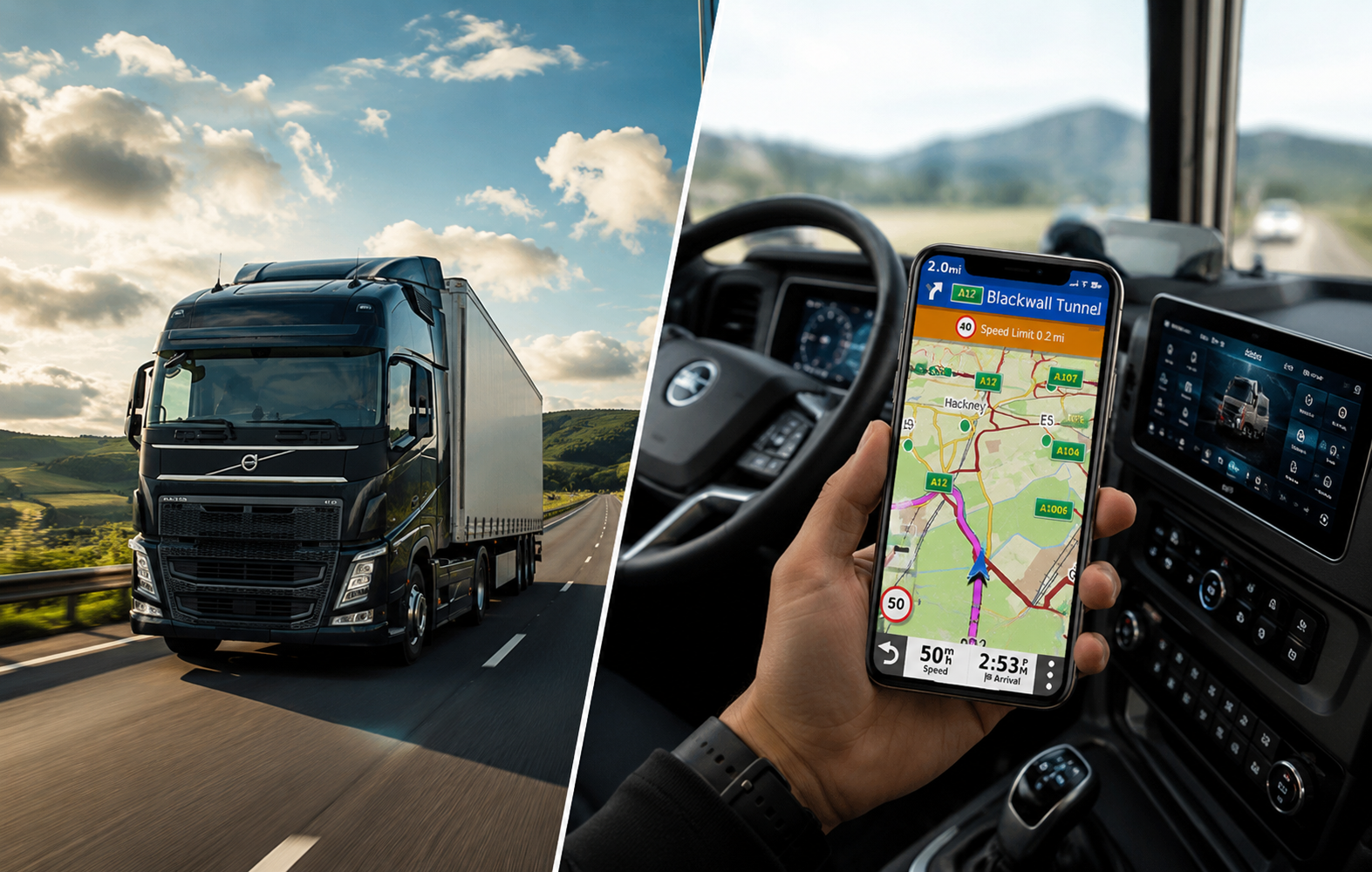
Long-haul truckers know that navigating massive cargo vehicles requires more than just any standard GPS—it demands a specialized tool built for the unique challenges of heavy-duty transport.
Anyone who’s spent time behind the wheel of an 18-wheeler or a heavy cargo truck understands the frustration of following a regular GPS, only to find themselves stuck on a narrow residential street, facing a low bridge, or hitting a route where commercial vehicles are flat-out banned. Regular navigation systems simply weren’t designed with the dimensions, weight restrictions, and legal regulations that govern commercial trucking.
That’s precisely why truck-specific GPS systems have become essential gear for professional drivers. These specialized devices take into account everything from vehicle height and weight to time-based restrictions and hazardous material routes, ensuring that every journey is safe, legal, and efficient. Let’s explore why making the switch to a dedicated truck GPS isn’t just smart—it’s necessary for anyone serious about life on the road.
🚛 Why Standard GPS Systems Fail Truckers
Picture this: you’re hauling a 13-foot-high trailer loaded with valuable cargo, and your smartphone GPS cheerfully directs you under a bridge with a 12-foot clearance. Or maybe it routes you through a historic downtown area with weight restrictions clearly posted—restrictions your regular GPS never mentioned because it doesn’t even know what weight restrictions are.
Standard consumer GPS devices are built for passenger vehicles. They calculate routes based on distance and estimated travel time for cars, completely ignoring the physical realities of commercial trucks. A route that’s perfectly fine for a sedan might be impossible—or illegal—for a semi-truck.
Regular navigation apps also don’t account for truck-specific traffic regulations. Many cities have time windows when commercial vehicles aren’t allowed on certain streets. Some neighborhoods ban large trucks entirely. Without this information programmed into your navigation system, you risk fines, delays, and potentially dangerous situations where you literally cannot proceed forward or backward.
📏 Dimensions Matter: Height, Weight, and Length Restrictions
One of the most critical features of truck-specific GPS systems is their ability to store and use your vehicle’s exact dimensions. When you first set up a professional truck GPS, you’ll input your rig’s height, weight, length, and width. This information becomes the foundation for every route calculation the device makes.
Bridges with low clearances are a constant concern for truckers. Strike a bridge and you’re looking at massive fines, potential criminal charges, cargo damage, and a wrecked vehicle. Truck GPS systems maintain extensive databases of bridge heights and will automatically avoid routes where your vehicle won’t fit safely.
Weight restrictions are equally important. Many bridges, especially older infrastructure, have posted weight limits. Municipal roads in residential areas often restrict heavy vehicles to protect the pavement. A dedicated truck GPS knows these restrictions and factors them into route planning automatically.


Understanding Load-Specific Routing
Different loads require different routes. Hauling hazardous materials means you’ll need to avoid tunnels, residential areas, and other restricted zones. Oversized loads have their own set of rules and permitted routes. Quality truck GPS systems allow you to specify your cargo type, ensuring compliance with regulations specific to what you’re hauling.
⏰ Time-Based Restrictions and Rush Hour Planning
Cities don’t just restrict where trucks can go—they also restrict when. Downtown business districts might prohibit commercial vehicles during morning and evening rush hours. Some delivery zones only allow truck traffic during specific windows. Missing these time restrictions can mean sitting idle for hours waiting for your legal access window.
Advanced truck GPS systems include time-of-day restrictions in their routing algorithms. They know which streets are off-limits during peak hours and can plan alternative routes that keep you moving legally and efficiently. This feature alone can save hours of wasted time and help you meet tight delivery schedules.
The systems also help with Hours of Service (HOS) compliance by suggesting rest stops and truck-friendly parking at appropriate intervals. Some models even integrate with electronic logging devices to ensure you’re never scrambling to find parking when your driving time runs out.
🛣️ Road Type Selection and Truck-Friendly Routes
Not all roads are created equal when you’re hauling tons of cargo. Tight turns that are no problem for cars become challenging maneuvers in a 53-foot trailer. Steep grades that barely register in a passenger vehicle can be dangerous in a loaded truck.
Truck GPS systems prioritize truck routes—roads specifically designed and designated for commercial vehicle traffic. These routes typically feature wider lanes, gentler curves, adequate shoulder space, and infrastructure built to handle heavy weights. They also tend to have better access to fuel, food, and repair services that cater to professional drivers.
The systems also warn you about sharp turns, steep grades, and other challenging road features before you encounter them. This advance notice gives you time to adjust your speed and approach properly, improving both safety and efficiency.
Avoiding Residential and Restricted Zones
Many municipalities have ordinances prohibiting commercial vehicles from residential streets except for local deliveries. Getting caught on these roads can result in hefty fines and create genuine difficulties if you need to turn around in a neighborhood with narrow streets and limited space.
Professional truck GPS devices maintain databases of these restricted zones and route you around them automatically. If your destination is within a restricted zone, the system will navigate you to the nearest legal access point, saving you from violations and the stress of maneuvering in spaces never meant for trucks.
💰 Cost Savings Through Better Route Planning
Investing in a quality truck GPS system pays for itself quickly through multiple channels of cost savings. First and foremost, avoiding tickets for height violations, weight restrictions, and prohibited zone infractions saves thousands of dollars in fines and legal fees.
More efficient routing means less fuel consumption. When your GPS calculates routes based on actual truck travel parameters rather than general car routes, you avoid unnecessarily long detours, excessive urban driving, and routes with challenging terrain that burns extra fuel.
Time is money in trucking. Every hour spent lost, backtracking, or waiting because you took a wrong turn is an hour you’re not earning. Accurate, truck-appropriate navigation helps you meet delivery windows, maximize your available driving hours, and take on more loads over time.

🔧 Features That Make a Difference
Modern truck GPS systems pack in features specifically valuable to commercial drivers. Real-time traffic updates help you avoid congestion and accidents. Weather alerts warn you about conditions affecting truck travel, like high winds or icy roads. Construction updates keep you informed about road closures and detours.
Many systems include points of interest databases focused on trucker needs: truck stops, weigh stations, rest areas, repair facilities, and truck-friendly parking. Some even include user reviews and real-time availability information for parking spaces at popular stops.
Voice-guided navigation is essential when your hands need to stay on the wheel. The best systems provide clear, timely instructions with sufficient advance warning for lane changes and turns—critical when you’re driving a vehicle that can’t change lanes or turn quickly.
Integration with Fleet Management
For company drivers and fleet owners, many truck GPS systems integrate with broader fleet management platforms. This connectivity allows dispatchers to monitor locations, optimize routes across multiple vehicles, and communicate efficiently with drivers on the road.
📱 Smartphone Apps vs. Dedicated Devices
Today’s market offers both dedicated truck GPS units and smartphone applications designed for commercial drivers. Each approach has advantages worth considering based on your specific needs and preferences.
Dedicated GPS units typically offer larger screens, which are easier to read at a glance while driving. They’re purpose-built for vehicle use, with mounting systems designed for vibration and temperature extremes. Battery life isn’t a concern since they run off vehicle power, and they won’t tie up your phone.
Smartphone apps, on the other hand, offer flexibility and often lower upfront costs. They update more frequently and can leverage your phone’s existing cellular data connection for real-time information. Many professional drivers appreciate having truck navigation on the same device they use for communication and other business needs.
The best solution might actually be both—a primary dedicated unit for navigation with a smartphone app as a backup and for additional features like parking reservations or fuel price comparisons.
🌟 Real-World Benefits from Professional Drivers
Experienced truckers who’ve made the switch to specialized GPS systems consistently report reduced stress levels. There’s peace of mind in knowing your navigation system understands the rules and restrictions you’re operating under. You’re not constantly second-guessing whether the route is legal or safe for your rig.
New drivers particularly benefit from truck GPS systems. The learning curve in commercial driving is steep enough without worrying about whether every turn is appropriate for your vehicle. A good GPS system acts as an experienced co-pilot, helping newcomers avoid the costly mistakes that come from inexperience.
Long-term professionals appreciate the time savings and efficiency gains. When you’re running the same routes regularly, a truck GPS helps you discover better alternatives you might not have known about, optimizing your regular runs for maximum efficiency.
🔍 What to Look for When Choosing Your System
Shopping for a truck GPS requires considering several key factors. Database size and update frequency matter—more data means better routing decisions, and regular updates ensure you have current information about road conditions and restrictions.
Screen size and visibility are important, especially for older drivers or those with vision concerns. The display should be readable in bright sunlight and at night without causing distraction. Touchscreen responsiveness matters too, as you might need to interact with the device while wearing gloves.
Battery backup can be valuable if you need to dismount the unit for security or use it briefly away from vehicle power. Wireless connectivity for updates is more convenient than requiring computer connections.
Consider the mounting system as well. The mount needs to hold the unit securely through vibrations and bumps while positioning the screen in your line of sight without blocking your view of the road.
🚀 Making the Transition to Truck-Specific Navigation
Switching from standard GPS to a truck-specific system requires a small adjustment period, but most drivers adapt quickly. Take time to input your vehicle specifications accurately—this data is the foundation of everything the system does for you.
Explore the settings and customization options. Most systems allow you to set preferences for route types, points of interest, warning distances, and voice guidance characteristics. Tailoring these settings to your preferences makes the system more useful and less intrusive.
Don’t abandon your common sense and experience. While truck GPS systems are remarkably reliable, they’re not infallible. If a suggested route looks questionable or you notice conditions the system couldn’t have anticipated, trust your judgment and adjust accordingly.
🛡️ Safety Improvements Beyond Route Planning
Truck-specific GPS systems contribute to safety in ways beyond just keeping you on appropriate roads. By reducing navigation stress and uncertainty, they allow you to focus more attention on actual driving—watching traffic, monitoring your mirrors, and maintaining awareness of your surroundings.
The advance warnings for upcoming maneuvers give you time to prepare properly. Whether it’s a sharp turn, a lane change, or an exit, having that extra notice means you can signal earlier, check your mirrors more thoroughly, and execute maneuvers more safely.
Weather and traffic alerts help you anticipate problems before you encounter them. This advance warning gives you time to adjust speed, choose alternative routes, or even decide to park safely until conditions improve.
💡 The Bottom Line for Professional Drivers
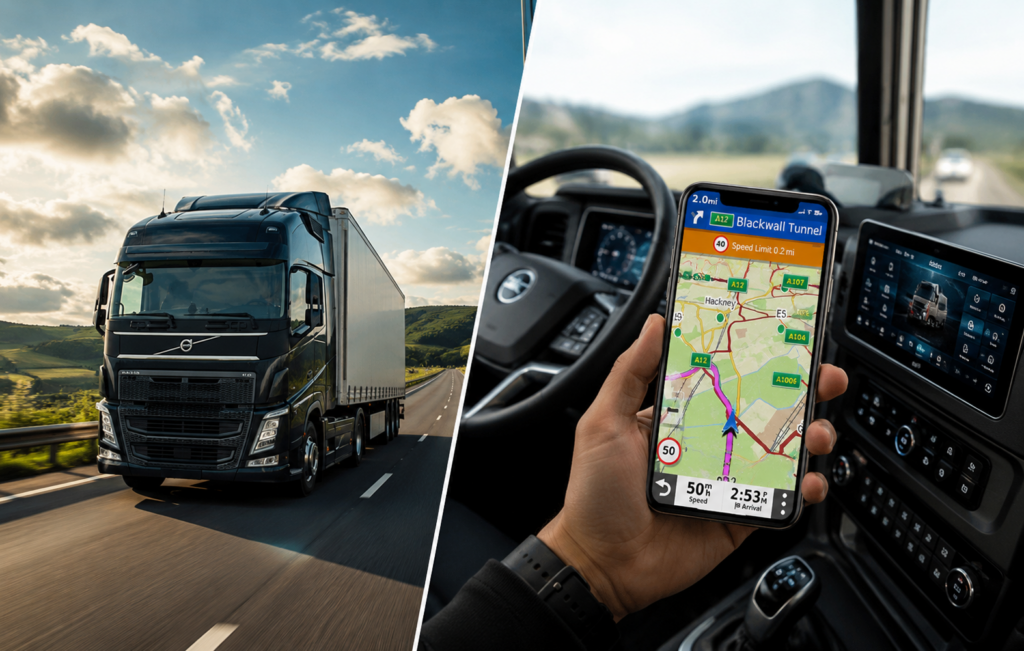
For anyone who drives trucks professionally, a dedicated GPS system designed for commercial vehicles isn’t a luxury—it’s an essential tool of the trade. The investment is modest compared to the potential costs of violations, accidents, or inefficient routing.
The peace of mind alone justifies the expense. Knowing that your navigation system understands the unique requirements of commercial trucking removes a significant source of job stress. You can focus on driving safely, meeting deadlines, and providing excellent service to your customers.
The technology continues improving, with better databases, more accurate information, and enhanced features rolling out regularly. Early adoption means more time to learn the system and optimize your operation around its capabilities.
Whether you’re an owner-operator managing your own business or a company driver looking to improve your efficiency and safety record, a truck-specific GPS system represents one of the smartest investments you can make in your professional success. The roads are challenging enough without navigation systems that don’t understand the vehicle you’re driving or the regulations you must follow.
Make the switch, take the time to learn your system thoroughly, and experience the difference that purpose-built technology makes in your daily work life. Your stress levels, your wallet, and your safety record will all thank you for it. 🚚✨
