
Anúncios
The clash between Portugal and the Democratic Republic of Congo at the World Cup represents more than a football match—it’s a meeting of cultures, histories, and footballing philosophies on the sport’s grandest stage.
When European technical prowess meets African raw talent and determination, football fans worldwide witness something special. Portugal, with its rich footballing tradition and global superstars, brings a legacy of tactical sophistication and competitive excellence.
Meanwhile, the Democratic Republic of Congo carries the passion and unpredictability that makes African football so captivating.
This potential encounter symbolizes the beautiful diversity of world football, where different continents showcase their unique approaches to the game.
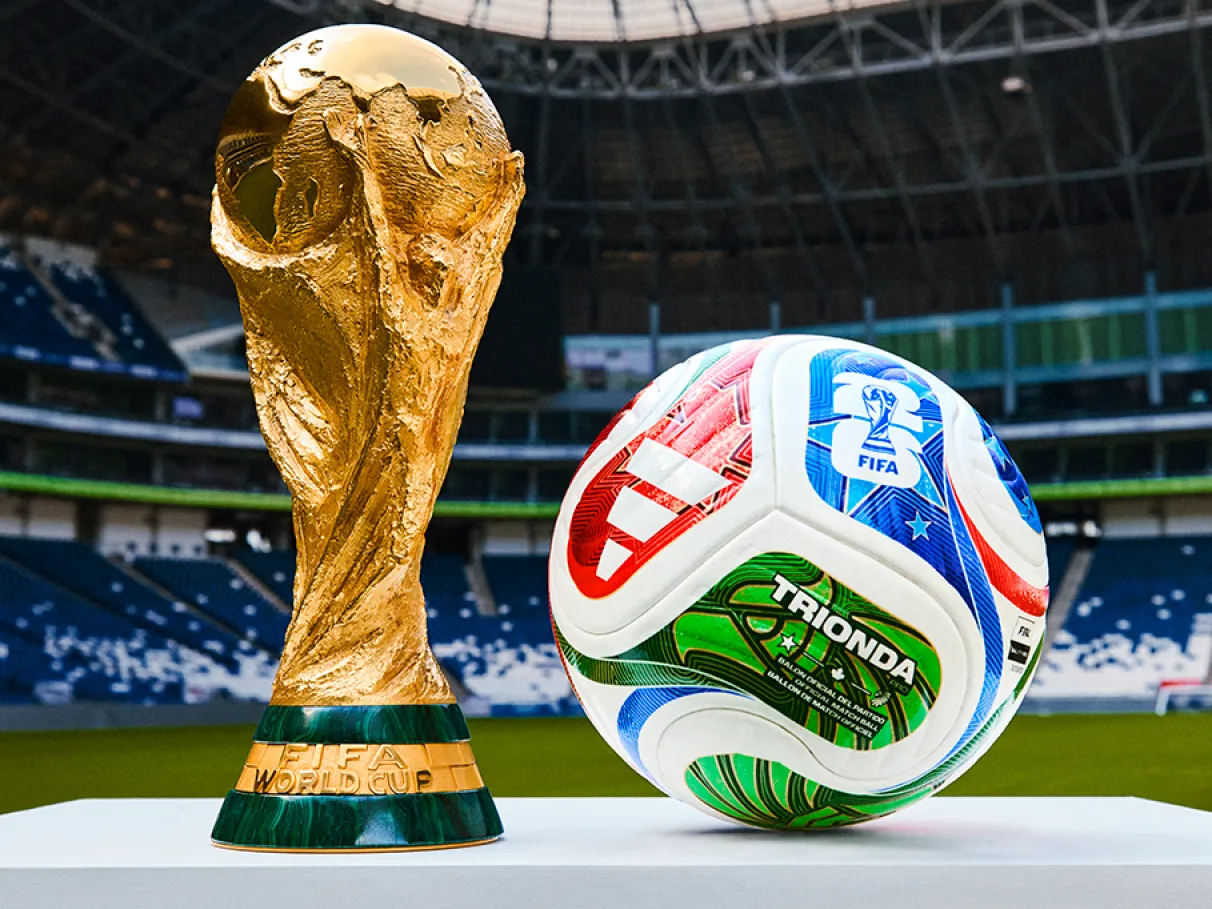
🏆 <strong>Portugal 🇵🇹 x República Democrática do Congo 🇨🇩</strong>
From Lisbon’s training academies to Kinshasa’s street football culture, both nations have cultivated distinct footballing identities that promise an unforgettable spectacle when they collide on the World Cup pitch.
🇵🇹 Portugal’s World Cup Legacy and European Excellence
Portugal has established itself as one of Europe’s most consistent footballing nations over the past two decades. The Portuguese national team has transformed from talented underachievers to genuine contenders on every major stage.
Their journey reflects a nation that invested wisely in youth development and tactical education.
The Euro 2016 triumph marked a watershed moment for Portuguese football. Breaking through that championship barrier gave the team confidence and belief that has carried forward.
This victory demonstrated that Portugal could compete with and defeat Europe’s traditional powerhouses through organization, mental strength, and clinical finishing.
Portugal’s footballing philosophy emphasizes technical skill combined with tactical discipline. The nation produces players who are comfortable on the ball, creative in tight spaces, and capable of executing complex tactical instructions.
From defenders to forwards, Portuguese players typically possess excellent technical fundamentals developed through the country’s renowned academy system.
The Golden Generation and Beyond
The concept of Portugal’s “Golden Generation” has evolved over time. While the original group featuring Luís Figo, Rui Costa, and Fernando Couto never captured major silverware, they laid the foundation for future success.
They showed Portugal could compete at the highest level and inspired the next wave of talent.
Today’s Portuguese squad represents a perfect blend of experienced world-class performers and emerging young talents. The depth of quality throughout the roster allows Portugal to adapt to different tactical situations and overcome challenges during tournament play.
This versatility makes them dangerous opponents for any team.
🇨🇩 The Democratic Republic of Congo: Africa’s Sleeping Giant
The Democratic Republic of Congo possesses immense footballing potential that has yet to be fully realized on the world stage.
With a population exceeding 90 million and a deep passion for football throughout the nation, the DRC represents one of Africa’s most exciting football markets and talent pools.
Historically known as Zaire during their World Cup appearance in 1974, the nation’s football journey has been marked by both triumph and adversity.
Political instability and economic challenges have hampered consistent development, yet the country continues producing exceptional talent that enriches leagues across Europe and beyond.
The Congolese playing style reflects the broader African football tradition—athletic, dynamic, and filled with individual brilliance. Players from the DRC are known for their physicality, speed, and technical flair.
When properly organized and motivated, the national team can challenge any opponent through sheer determination and talent.
The Diaspora Factor
One fascinating aspect of Congolese football is the massive diaspora of players representing other nations. Numerous world-class talents with Congolese heritage have chosen to represent Belgium, France, England, and other countries.
This speaks to both the talent pool within Congo and the challenges the federation faces in retaining and developing players.
The list of players with Congolese roots competing at the highest levels is impressive. From Romelu Lukaku to Christian Benteke, from Yannick Bolasie to Wilfried Zaha, the DRC’s genetic footballing footprint extends far beyond its borders.
Imagine if all these talents represented the country of their heritage—the DRC would field a genuinely world-class squad.
⚔️ Tactical Chess Match: Contrasting Styles
A World Cup encounter between Portugal and the Democratic Republic of Congo would present a fascinating tactical battle. Portugal typically employs a structured, possession-based approach that emphasizes control and patience.
They build attacks methodically, probing for weaknesses in opponent defenses through intricate passing combinations.
The DRC, conversely, often adopts a more direct, transition-focused style. African teams generally excel in quick counter-attacks, utilizing speed and power to exploit spaces left by advancing opponents.
This approach can be devastatingly effective against technically superior teams that dominate possession but leave themselves vulnerable to rapid transitions.
Portugal’s coaching staff would likely prepare for Congo’s athletic advantages by maintaining disciplined defensive shape. Preventing easy access to space behind the defensive line would be crucial.
Meanwhile, Portugal would aim to control tempo, wear down opponents through sustained possession, and capitalize on set-piece opportunities.
Key Individual Battles
World Cup matches often turn on decisive individual duels. Portugal’s creative midfielders would need protection from Congo’s energetic and physical midfield enforcers.
The battle for midfield supremacy would likely determine which team could impose its preferred style on the match.
In defensive areas, Portugal’s center-backs would face a stern test against Congo’s powerful and quick forwards. Similarly, Congo’s defensive organization would be challenged by Portugal’s movement and technical quality in the final third.
These individual matchups create the drama that makes World Cup football so compelling.
🌍 Cultural Significance Beyond the Scoreline
A Portugal versus Democratic Republic of Congo match carries meaning that transcends the 90 minutes on the pitch. It represents the intersection of colonial history, migration patterns, and the unifying power of football.
Portugal’s historical connections to Africa, though primarily in Angola and Mozambique rather than Congo, add layers of context to this intercontinental matchup.
For Congo, qualifying for and competing in a World Cup represents national pride and international recognition. Football provides one of the few platforms where the DRC gains positive global visibility.
Success on the football field can lift spirits throughout the nation and inspire young people facing difficult circumstances.
Portugal, meanwhile, sees the World Cup as an opportunity to cement its status among football’s elite nations. Despite their Euro 2016 victory and Nations League triumph, Portuguese football still seeks the ultimate prize—World Cup glory.
Each tournament represents another chance to achieve that defining moment.
🏆 Historical World Cup Encounters
While Portugal and the DRC have not frequently met on the World Cup stage, both nations carry distinct World Cup histories. Portugal’s tournament record shows consistent qualification and competitive performances, with their best finish being third place in 1966.
That tournament featured the legendary Eusébio, who captivated audiences with his goalscoring prowess.
The DRC, as Zaire in 1974, experienced a difficult World Cup debut. The team lost all three group matches by significant margins, including a memorable 9-0 defeat to Yugoslavia.
However, that experience remains an important part of the nation’s football history, representing a time when they reached football’s highest level.
Modern football has evolved dramatically since 1974. Today’s World Cups feature better-prepared African teams with improved tactical organization and access to professional infrastructure.
The gap between European and African football, while still present, has narrowed considerably, making matches like Portugal versus DRC more competitive and unpredictable.
⭐ Star Power and Emerging Talents
Portugal consistently produces world-class talent that attracts global attention. Beyond their legendary stars, the Portuguese player development system continues generating exciting prospects.
From attacking midfielders to versatile full-backs, Portuguese players are sought after by top clubs worldwide.
The Democratic Republic of Congo’s talent production, though less systematically organized, remains impressive. Young Congolese players emerging through European academy systems often display remarkable athleticism and technical ability.
The challenge lies in properly integrating these talents into a cohesive national team structure.
In a hypothetical World Cup clash, individual brilliance could prove decisive. Portugal’s established stars would bring experience and big-game mentality, while Congo’s emerging talents might provide unpredictability and fearless energy.
This combination of established excellence versus hungry ambition creates compelling narratives.
Youth Development Philosophies
Portugal invested heavily in youth development infrastructure over the past three decades. The result is a conveyor belt of talent progressing from youth categories to senior professional football.
Academies emphasize technical skills, tactical understanding, and mental development, producing well-rounded players capable of adapting to various playing styles.
The DRC faces greater challenges in systematic youth development due to resource constraints. However, the country’s natural talent pool remains vast.
Many young Congolese players develop skills through street football before eventually catching the attention of scouts and moving to foreign academies. This pathway, though less structured, still produces exceptional athletes with unique qualities.
🎯 What a World Cup Meeting Would Mean
Should Portugal and the Democratic Republic of Congo meet at a World Cup, the match would carry significance for both nations’ football trajectories.
For Portugal, it would represent another opportunity to demonstrate their status among world football’s elite while respecting an opponent capable of causing problems.
For the DRC, such a match would provide a platform to showcase Congolese football to a global audience.
A strong performance, regardless of the result, would benefit the nation’s football development by increasing visibility, attracting investment, and inspiring the next generation of players.
The broader football community would benefit from witnessing this intercontinental clash. World Cup diversity enriches the tournament, and matches featuring teams from different continents with contrasting styles create the most memorable moments.
These encounters remind us that football truly is a global game with room for various approaches and philosophies.
🔮 Future Prospects and Expectations
Looking ahead, Portugal appears well-positioned for continued World Cup competitiveness. Their investment in infrastructure, coaching education, and youth development should sustain high-level performance for years to come.
The national team’s age profile suggests a healthy mix of experience and emerging talent, providing stability and succession planning.
The Democratic Republic of Congo’s World Cup future depends largely on factors beyond pure footballing considerations.
Political stability, economic development, and governance within the football federation will significantly impact the team’s ability to qualify and compete regularly. However, the raw talent and passion within the country offer tremendous potential if properly harnessed.
For global football fans, the prospect of more frequent meetings between European and African nations at World Cups remains exciting. As African football continues developing structurally and tactically, these matches become increasingly competitive.
The days of predictable outcomes are fading, replaced by genuine uncertainty and compelling competition.
💪 The Beautiful Game’s Unifying Force
Ultimately, a Portugal versus Democratic Republic of Congo World Cup match would exemplify football’s power to unite people across continents, cultures, and circumstances.
For 90 minutes, national pride, athletic excellence, and competitive spirit would take center stage, transcending political and economic differences.
These intercontinental clashes remind us why the World Cup remains sport’s premier event. Where else can you witness such diverse approaches, passionate supporters, and unpredictable outcomes on a single stage?
The tournament’s magic lies precisely in these meetings between nations with vastly different resources, histories, and footballing traditions.
As both nations continue their respective football journeys, the possibility of future World Cup encounters keeps the global football community engaged and excited.
Whether you support Portugal’s technical mastery or Congo’s athletic dynamism, matches like these celebrate everything that makes football the world’s most beloved sport.
The anticipation alone generates conversations, debates, and dreams among millions of fans.
That’s the essence of World Cup football—the beautiful unpredictability, the clash of styles, and the unifying power of a simple game played with passion, skill, and pride on the grandest stage of all.
