
Anúncios
The World Cup is more than just a tournament—it’s a global celebration where passion, culture, and football unite millions in a spectacular display of national pride.
Every four years, the world pauses to witness something extraordinary. Streets transform into open-air theaters of emotion, where strangers become family through shared moments of triumph and heartbreak. From Tokyo to Buenos Aires, from Cairo to Stockholm, supporters are writing their own stories alongside their national teams.
This World Cup has brought unique flavors from every corner of the planet. The atmosphere in each host city pulses with anticipation, while back home, fans create unforgettable experiences that transcend the beautiful game itself. Let’s explore how different nations are experiencing this magnificent tournament.
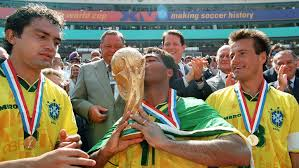
🇧🇷 Brazil: Samba, Hope, and the Quest for the Sixth Star
Brazilian streets are painted in yellow and green, with flags draped from apartment windows and cars honking celebratory horns. The Seleção carries the weight of expectation like no other team, and their supporters feel every pass, every shot, every near-miss as if they were on the pitch themselves.
In Rio de Janeiro, beach vendors have temporarily abandoned their usual merchandise for World Cup memorabilia. Sandra, a vendor at Copacabana, shares that she’s sold more Brazilian flags in two weeks than she typically sells in an entire year. “People want to feel connected,” she explains. “The World Cup makes us remember who we are.”
The famous “churrascos” (barbecues) have become ritual gathering points. Families and friends crowd around televisions, with grandmothers offering tactical advice and children mimicking their favorite players in backyards. Social media explodes with memes after every match—Brazilians have perfected the art of celebrating and self-deprecating humor in equal measure.


Superstitions Run Deep 🍀
Brazilian fans are notoriously superstitious. Many refuse to wash their lucky shirts throughout the tournament. One fan in São Paulo reportedly wore the same socks for three consecutive matches after Brazil’s opening victory. When asked about hygiene, he simply shrugged: “Championships require sacrifice.”
🇦🇷 Argentina: Messi’s Moment and National Unity
For Argentina, this World Cup feels different. The entire nation has rallied around Lionel Messi in what many believe could be his final tournament. Buenos Aires transforms into a sea of light blue and white stripes, with murals of Messi appearing overnight on building facades.
The atmosphere in Argentine homes is electric yet anxious. Families gather with traditional mate tea, passing the gourd in circles while nervously watching their beloved Albiceleste. When Argentina scores, the celebration is volcanic—fireworks light up the sky, and spontaneous street parties erupt across the capital.
In Rosario, Messi’s hometown, the pride is almost tangible. Local bars have created special “Messi menus” featuring his favorite childhood dishes. One restaurateur notes that business has tripled during match days, with patrons arriving hours early to secure the best viewing spots.
🏴 England: Eternal Hope and Pub Culture
English pubs become sacred spaces during the World Cup. The atmosphere is unique—a blend of cautious optimism, self-aware humor, and genuine belief that “football’s coming home.” Pints flow freely, and fans belt out anthems with voices that grow louder with each round.
The “Three Lions” song plays on repeat in every corner of England. Supporters wear replica shirts to work on match days, and employers have learned to schedule around fixtures. One London office reported 87% of staff requesting the afternoon off for a knockout game—management wisely declared it a company viewing party instead.
English fans have mastered the art of nervous watching. They celebrate goals with explosive joy, but always with that underlying fear that heartbreak lurks around the corner. It’s a national characteristic shaped by decades of near-misses and penalty shootout trauma.

🇫🇷 France: Champions Defending with Style
As defending champions, French supporters carry a confident swagger. The Champs-Élysées becomes a runway of tricolor pride, with fans gathering at cafés to debate tactics over espresso and croissants. The multicultural makeup of the French team mirrors the diversity of its support base, creating a beautiful tapestry of backgrounds united by football.
In Paris, outdoor screenings attract thousands. The atmosphere blends sophistication with raw passion—fans discuss formations with analytical precision, then explode into choreographed celebrations when their team scores. French supporters have a reputation for style, and they bring that aesthetic to their match-day attire.
The connection between France’s immigrant communities and the national team creates powerful moments. When players of African and Caribbean descent excel, it resonates deeply across diverse neighborhoods, reinforcing the message that French identity transcends ethnicity.
🇩🇪 Germany: Efficiency Meets Passion
German organization is legendary, and their World Cup viewing parties reflect this. Fans arrive punctually, beer gardens operate with military precision, and debates about tactics are conducted with philosophical seriousness. Yet beneath this efficiency burns genuine passion.
The biergartens of Munich and Berlin become temporary stadiums. Long communal tables fill with supporters wearing black, red, and gold, singing traditional songs between bites of bratwurst. When Die Mannschaft plays, productivity across the nation drops dramatically—though Germans would never officially admit it.
German fans appreciate technical excellence. They applaud clever passing sequences even in tense moments, and their analysis of matches could fill academic journals. But when Germany scores, the celebration is as uninhibited as anywhere else on Earth.
🇪🇸 Spain: Tiki-Taka and Tapas Culture
Spanish World Cup culture revolves around communal experiences. Plazas fill with outdoor screenings where entire neighborhoods gather. Children play football in the margins while adults debate whether modern Spain can recapture the magic of their golden generation.
Tapas bars become war rooms of tactical discussion. Over plates of jamón and glasses of Rioja, fans dissect every substitution and formation change. The Spanish appreciate the artistic side of football, treating beautiful play as an end in itself, not merely a means to victory.
In Barcelona and Madrid, the World Cup provides rare moments of unity. Club rivalries are temporarily set aside as the nation rallies behind La Roja. This truce is sacred, though everyone knows normal hostilities will resume once the tournament ends.
🇳🇱 Netherlands: Orange Madness
When the Netherlands plays, the entire country turns orange. It’s not subtle—Dutch fans embrace maximalism with enthusiasm. Orange wigs, orange suits, orange face paint—the commitment to their national color is absolute and glorious.
Amsterdam’s canals become floating parties on match days. Boats packed with supporters create traffic jams of celebration, with music blaring and flags waving. The Dutch have perfected the art of festive fandom, turning every match into a carnival regardless of the result.
Dutch fans are knowledgeable and demanding. They expect attacking football and aren’t shy about voicing disappointment when their team plays conservatively. But when the Oranje delivers exciting football, the celebration is worth the price of admission alone.
🇯🇵 Japan: Respect and Ritual
Japanese fans have earned global admiration for their respectful support. Win or lose, they stay to clean stadiums, picking up trash and leaving venues spotless. This behavior isn’t performative—it’s a natural extension of cultural values around community responsibility.
Viewing parties in Tokyo combine enthusiasm with order. Fans cheer passionately but remain considerate of neighbors. The contrast between intense support and cultural restraint creates a unique atmosphere. When Japan scores, the explosion of joy is genuine but quickly returns to focused attention.
Many Japanese supporters wake at dawn to watch matches due to time zone differences. Convenience stores report selling out of coffee and energy drinks on match mornings. The dedication is remarkable—sleep deprivation becomes a badge of honor among the most devoted fans.
🇲🇽 Mexico: Fiesta Atmosphere
Mexican World Cup celebrations are legendary. The passion is infectious, the noise levels spectacular, and the sense of community overwhelming. When El Tri plays, Mexican neighborhoods worldwide transform into spontaneous festivals.
Mariachi bands play between matches, food vendors work overtime supplying tacos and tortas, and the famous “Cielito Lindo” song echoes through streets. Mexican fans bring an unmatched energy that makes every match feel like a celebration regardless of the score.
The diaspora creates interesting dynamics. Mexican communities in the United States organize massive viewing parties that rival anything in Mexico City. The World Cup becomes a connection to homeland and heritage, a moment to celebrate Mexican identity with pride.
🌍 African Nations: Unity and Pride
When African teams compete, the entire continent pays attention. Fans from non-participating nations adopt teams from the region, creating pan-African support networks. The World Cup becomes about more than individual countries—it’s about continental representation.
In cities across Africa, outdoor screenings attract massive crowds. Generators power televisions in areas with unreliable electricity. The dedication to watching matches overcomes significant logistical challenges, demonstrating football’s power to unite and inspire.
African fans bring vibrant energy—drums, dances, and colorful traditional clothing create spectacular atmospheres. The celebration of African football excellence challenges outdated stereotypes and showcases the continent’s talent and passion.
🇺🇸 United States: Growing Football Culture
American interest in the World Cup has grown dramatically. Sports bars that once exclusively showed American football now dedicate screens to “soccer.” The shift represents a generational change, with younger Americans embracing the global game enthusiastically.
Viewing parties blend American sports culture with international football traditions. Fans arrive in team jerseys, order wings and nachos, but also learn supporters’ songs and appreciate tactical nuances. The American approach combines elements from multiple traditions, creating something uniquely hybrid.
The diversity of American society means World Cup support fragments into dozens of national allegiances. Neighborhoods transform based on ethnic composition—one street might be Brazilian yellow, the next Mexican green, creating a beautiful mosaic of global football culture.
⚽ The Universal Language
Despite differences in how each nation celebrates, common threads unite all supporters. The nervous energy before kickoff, the collective holding of breath during dangerous attacks, the explosive release when goals are scored—these experiences transcend language and culture.
Social media has amplified connection between fan bases. Supporters from rival nations engage in friendly banter, share memes, and occasionally offer genuine respect for outstanding performances. The World Cup creates a temporary global village where football provides the common language.
Children watching their first World Cup are having formative experiences they’ll remember forever. Elderly fans compare current stars to legends they watched decades ago. The tournament creates intergenerational bonds and memories that outlast any individual match result.
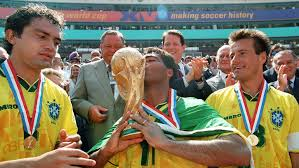
🎉 Beyond the Final Whistle
The World Cup’s impact extends far beyond the ninety minutes of play. Local economies boom around match schedules. Friendships form over shared viewing experiences. People discover new cultures through interactions with fans from different nations.
The emotional investment is real and profound. Grown adults cry over penalty shootouts. Strangers embrace after last-minute winners. These aren’t just games—they’re shared cultural experiences that define moments in people’s lives. Years later, fans will remember exactly where they were for certain matches.
As the tournament progresses, the intensity builds. Early celebrations give way to nervous tension in knockout rounds. The stakes feel impossibly high because, for millions watching, they genuinely are. National pride, personal identity, and collective hope all ride on the outcome of matches.
Each World Cup creates its own mythology. Unexpected heroes emerge. Powerhouse nations sometimes stumble. Underdogs capture hearts with brave performances. The unpredictability is part of the magic—any team can have their moment, and any fan base can experience glory.
The beautiful game earns its name during these tournaments. For a few weeks, the world’s attention focuses on this shared passion. Differences of politics, economics, and ideology fade into the background. What matters is the ball, the pitch, and the dream that this could be your nation’s year.
So whether you’re cheering from a packed stadium, a neighborhood bar, your living room couch, or a makeshift screen in a remote village, you’re part of something extraordinary. The World Cup belongs to everyone who feels that surge of hope, that moment of connection, that pure joy that only football can provide. This is how the world celebrates—together, diverse, united by the beautiful game. 🌎⚽✨
