
Anúncios
# The Sacred Quran: Understanding Its Importance, Reading, and Timeless Teachings
The Quran is more than a book—it is divine guidance, a spiritual compass, and a source of wisdom that has transformed hearts and minds for over fourteen centuries.
For Muslims around the globe, the Quran represents the literal word of God, revealed to the Prophet Muhammad (peace be upon him) through the Angel Gabriel. Its verses offer guidance on matters of faith, morality, law, and daily life. Yet, the Quran transcends religious boundaries—it invites all of humanity to reflect, ponder, and seek truth.
Understanding the Quran begins with appreciation. It is not merely about reading words on a page, but about connecting with a message that has shaped civilizations, influenced cultures, and brought peace to countless souls. This article explores the significance of the Quran, the profound benefits of reading and engaging with it, and the life-changing lessons embedded within its sacred text.
📖 What Makes the Quran Sacred?
The Quran is considered the final revelation from Allah to humanity. Muslims believe it completes and confirms earlier scriptures, including the Torah and the Gospel. Its preservation over 1,400 years—unchanged in language, structure, and content—is seen as a divine miracle.
Unlike other ancient texts, the Quran has remained in its original Arabic form. Muslims around the world memorize it, recite it in prayer, and refer to it for guidance. This consistency is extraordinary, especially given the passage of time and the spread of Islam across continents.
The Quran is also unique in its literary beauty. Scholars, poets, and linguists have marveled at its eloquence, rhythm, and depth. Its style is inimitable, blending profound meaning with poetic grace. Even non-Arabic speakers who study translations acknowledge its powerful impact.
✨ The Structure of the Quran
The Quran is divided into 114 chapters, known as surahs, which vary in length. Each surah is composed of verses called ayahs. The chapters are not arranged chronologically but rather by length, with longer surahs generally appearing first.
Some surahs were revealed in Mecca, focusing on themes of monotheism, the hereafter, and moral character. Others were revealed in Medina, addressing community life, legal matters, and social justice. This dual context enriches the Quran’s applicability to different life situations.
Each verse carries meaning that can be understood on multiple levels—literal, metaphorical, legal, and spiritual. This depth invites continuous reflection and study, making the Quran a lifelong companion for believers.


🌟 Why Reading the Quran Matters
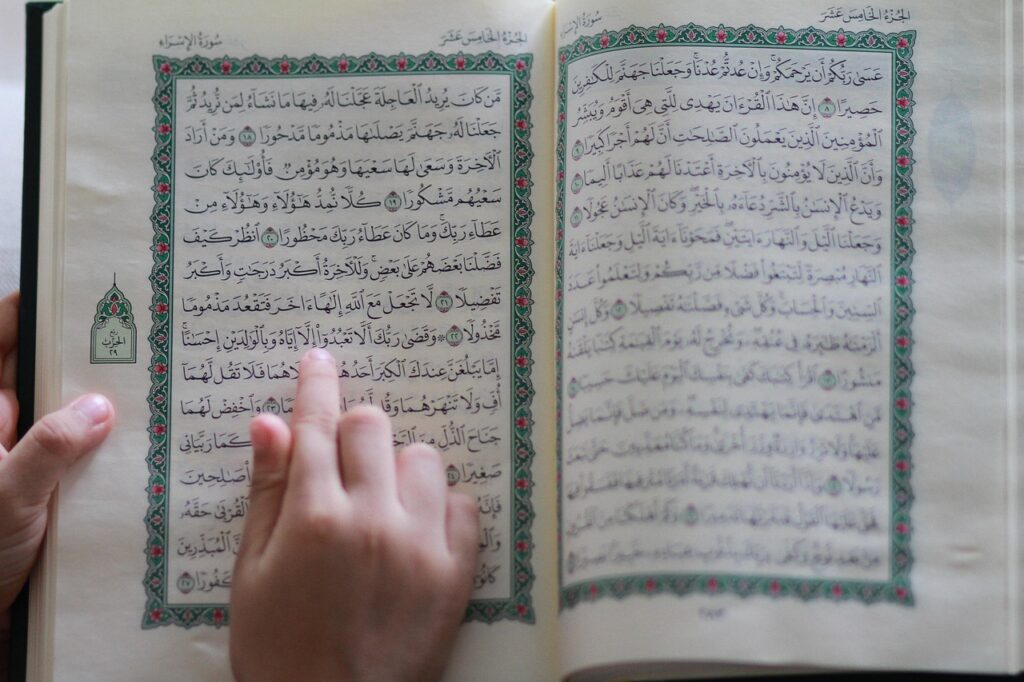
Reading the Quran is not just a religious duty—it is a transformative experience. Engaging with its verses can bring clarity, peace, and purpose to one’s life. Here’s why reading the Quran holds such profound importance:
💡 Spiritual Connection and Inner Peace
The Quran invites readers into a conversation with the Divine. Its verses offer comfort during hardship, hope in times of despair, and guidance when faced with difficult decisions. Many Muslims describe a sense of tranquility that washes over them when they recite or listen to the Quran.
This spiritual connection is not abstract—it is deeply felt. The act of reading or listening to the Quran can calm anxious thoughts, reduce stress, and foster a sense of belonging. It reminds individuals that they are not alone, that there is a greater purpose to existence.
📚 Knowledge and Wisdom
The Quran is a treasure trove of knowledge. It addresses topics ranging from cosmology and embryology to ethics and jurisprudence. Its insights into human nature, social dynamics, and moral philosophy remain relevant today.
Through parables, historical narratives, and direct commandments, the Quran teaches valuable lessons. It encourages critical thinking, self-reflection, and humility. Readers are urged to ponder creation, question assumptions, and seek truth with sincerity.
🕌 Strengthening Faith and Character
Regular engagement with the Quran strengthens faith. It reinforces core beliefs, clarifies doubts, and deepens understanding of God’s attributes and intentions. Moreover, it shapes character by promoting virtues such as patience, gratitude, honesty, and compassion.
The Quran sets high ethical standards. It condemns lying, arrogance, greed, and injustice while praising kindness, generosity, humility, and fairness. By internalizing these teachings, individuals cultivate a moral compass that guides their actions and decisions.
🌍 Universal Lessons from the Quran
While the Quran is the holy book of Islam, its messages resonate universally. Its teachings on justice, mercy, equality, and respect for life transcend cultural and religious boundaries. Here are some timeless lessons the Quran imparts:
⚖️ Justice and Equality
The Quran emphasizes justice as a fundamental principle. It commands fairness in dealings, warns against favoritism, and insists that rights be upheld regardless of status or background. No one is above accountability, and oppression is strongly condemned.
Equality before God is another central theme. The Quran declares that all humans are equal in dignity and worth. Differences in race, nationality, or wealth do not confer superiority. Piety and good deeds are the true measures of excellence.
💚 Compassion and Mercy
The Quran begins every chapter (except one) with the phrase “In the name of Allah, the Most Gracious, the Most Merciful.” This reflects the importance of mercy and compassion in Islamic teachings. Believers are encouraged to show kindness to others, forgive transgressions, and treat all creation with gentleness.
The Quran also highlights God’s infinite mercy. No matter how far one strays, sincere repentance is always welcomed. This message offers hope and encourages individuals to strive for betterment without succumbing to despair.
🌱 Environmental Stewardship
Centuries before environmental awareness became mainstream, the Quran spoke of humanity’s responsibility toward the Earth. Humans are described as stewards (khalifah) entrusted with caring for creation. Wastefulness, pollution, and destruction are discouraged.
The Quran encourages balance and moderation in all things. This includes consumption, resource use, and interaction with nature. Protecting the environment is thus not just an ecological concern but a spiritual obligation.
🤝 Social Responsibility and Community
The Quran places great emphasis on community welfare. It calls for supporting the poor, caring for orphans, treating neighbors well, and contributing to society’s well-being. Charity (zakat) is not optional but a pillar of faith.
Social justice extends to economic fairness, workers’ rights, and the dignity of all individuals. Exploitation, hoarding wealth, and ignoring those in need are condemned. The Quran envisions a society built on mutual care and collective responsibility.
📱 Modern Ways to Engage with the Quran
Technology has made the Quran more accessible than ever. Digital platforms, mobile apps, and online resources allow people worldwide to read, listen to, and study the Quran with ease.
📲 Quran Apps and Digital Tools
Numerous apps offer translations, recitations, tafsir (exegesis), and memorization tools. These apps cater to different languages, learning styles, and levels of knowledge. Whether you’re a beginner or a scholar, there’s a resource tailored to your needs.
Features like audio recitations by renowned qaris (reciters), word-by-word translations, and bookmarking make learning interactive and engaging. Many apps also include reminders to encourage daily reading and reflection.
🎧 Listening to Recitations
Listening to Quranic recitations can be a deeply moving experience. The melodious recitation, known as tajweed, follows specific rules that enhance the beauty and accuracy of delivery. Many people find listening to the Quran soothing, meditative, and spiritually uplifting.
Recitations are available in various styles and voices, allowing listeners to choose what resonates most with them. Whether during commutes, workouts, or quiet moments, listening to the Quran can enrich daily routines.
📖 Studying Tafsir and Translations
Understanding the Quran requires more than reading—it demands study. Tafsir, or Quranic commentary, provides context, explains meanings, and clarifies nuances. Scholars throughout history have written extensive tafsirs, offering insights into the text.
Translations make the Quran accessible to non-Arabic speakers, though they are considered interpretations rather than the Quran itself. Reading multiple translations can offer a fuller understanding and highlight different perspectives.
🧘 Practical Tips for Incorporating Quran Reading into Daily Life
Building a consistent Quran-reading habit can seem challenging, but small, intentional steps make it achievable. Here are some practical tips:
- Start small: Begin with just a few verses a day. Consistency matters more than quantity.
- Set a specific time: Morning or evening routines work well. Linking Quran reading to an existing habit increases likelihood of sticking to it.
- Use reminders: Set phone alerts or use app notifications to prompt reading sessions.
- Reflect on meanings: Don’t rush. Take time to ponder verses and how they apply to your life.
- Join a study group: Learning with others fosters accountability, deepens understanding, and builds community.
- Listen while multitasking: Play recitations during chores, commutes, or exercise.
- Keep a journal: Write down reflections, favorite verses, or questions that arise. This deepens engagement.

🌙 The Quran and Personal Transformation
Many who commit to regular Quran reading report profound personal changes. They describe increased patience, improved relationships, greater contentment, and a clearer sense of purpose. The Quran’s teachings inspire self-improvement and encourage living with intention.
Personal transformation doesn’t happen overnight. It requires sincerity, effort, and openness. But those who embark on this journey often find that the Quran becomes a trusted guide, a source of strength, and a constant reminder of what truly matters.
🙏 Building a Relationship with the Quran
Approaching the Quran as a living conversation rather than a static text changes everything. It’s about asking questions, seeking guidance, and applying lessons. This dynamic relationship evolves over time, deepening with each reading.
Respect and reverence are important, but so is intimacy. The Quran is meant to be lived, not just revered from a distance. Engaging with it honestly, emotionally, and intellectually brings its teachings to life.
🌺 Conclusion: An Invitation to Discover
The Quran is a gift to humanity—a timeless guide offering wisdom, comfort, and direction. Whether you are Muslim or simply curious, engaging with the Quran can enrich your understanding of spirituality, ethics, and the human experience.
Reading the Quran is not about blind acceptance but thoughtful reflection. It invites questions, encourages exploration, and respects individual journeys. Its verses speak to the heart, challenge the mind, and inspire the soul.
In a world often filled with noise and confusion, the Quran offers clarity. It reminds us of our shared humanity, our responsibilities toward one another, and our connection to something greater than ourselves.
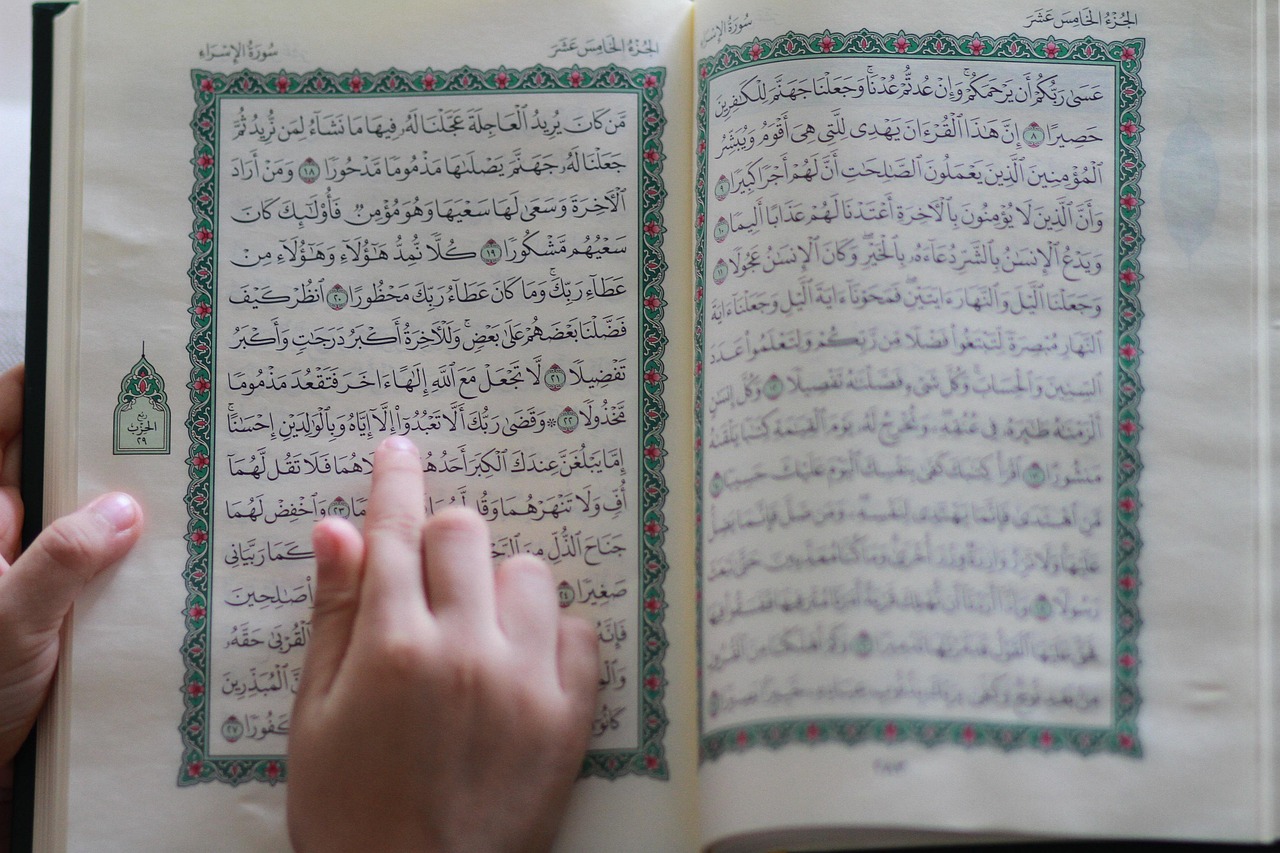
So take that first step. Open the Quran with curiosity and respect. Reflect on its meanings. Let its words resonate within you. You may find that this sacred book becomes a companion, a teacher, and a source of endless inspiration on your life’s journey. 🌟
