
Anúncios
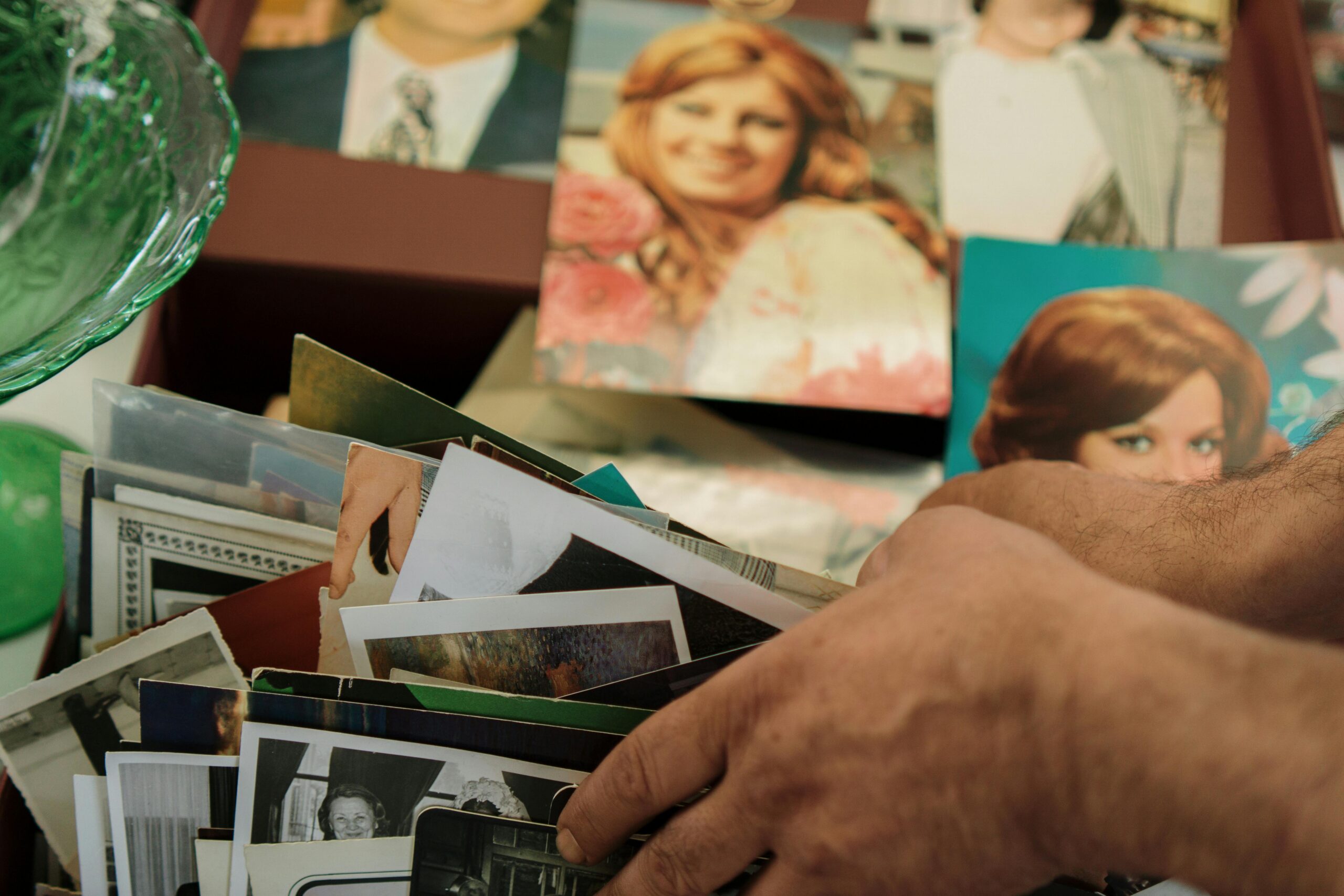
Imagine holding a faded family photo and bringing it back to life with just a few taps on your phone. 📸✨


For decades, our most precious memories have been locked away in dusty albums, slowly fading with time. Torn edges, water stains, color fading, and scratches seemed like permanent damage—until now. Technology has evolved to offer something truly remarkable: the ability to restore your treasured family photographs using artificial intelligence.
Whether it’s your grandparents’ wedding portrait, your childhood snapshots, or historical family moments, these images hold irreplaceable emotional value. The good news? You no longer need expensive professional services or complex software. A single mobile application can transform damaged, aged photos into vibrant, clear memories that look as fresh as the day they were taken.
Why Your Old Photos Deserve a Second Chance 🕰️
Every photograph tells a story. That sepia-toned image of your great-grandmother carries generations of history. The blurry birthday party photo from the 1980s captures joy that transcends image quality. These aren’t just pictures—they’re visual heirlooms connecting you to your roots.
Time is relentless on physical photographs. Sunlight exposure causes colors to fade. Humidity creates mold and stains. Physical handling leads to creases, tears, and fingerprints. Even properly stored photos deteriorate due to chemical reactions within the paper and ink itself.
Many people believe damaged photos are beyond saving. They resign themselves to memories growing dimmer with each passing year. Others attempt DIY repairs with tape or basic photo editors, often making things worse. The reality is that modern AI technology can reverse decades of damage with remarkable accuracy.
The Technology Behind Photo Restoration Magic ✨
Artificial intelligence has revolutionized image restoration. Advanced algorithms analyze damaged areas and intelligently reconstruct missing information based on surrounding pixels and learned patterns from millions of images.
These applications use deep learning neural networks trained on vast databases of both damaged and pristine photographs. The AI identifies common degradation patterns—scratches, tears, fading, discoloration—and applies sophisticated repair techniques automatically.
What once required hours of painstaking manual work by skilled professionals now happens in seconds. The technology recognizes faces, textures, and backgrounds, ensuring repairs look natural rather than artificially patched. Color restoration algorithms understand how pigments age and fade, reversing the process with scientific precision.
Key Features That Make Photo Restoration Apps Powerful
Modern photo restoration applications offer surprisingly comprehensive capabilities packed into user-friendly interfaces. These features work together to address virtually any type of photo damage:
- Automatic scratch and tear removal: AI detects physical damage and seamlessly fills gaps with appropriate textures and colors
- Color restoration: Revives faded hues or adds realistic color to black-and-white images
- Sharpness enhancement: Brings blurry details back into focus using intelligent edge detection
- Stain and spot removal: Eliminates water damage, mold spots, and other blemishes
- Face enhancement: Specifically improves facial features for clearer recognition of loved ones
- Noise reduction: Cleans up grain and digital artifacts from old scans
- Resolution upscaling: Enlarges small images without losing quality through AI interpolation

How to Get Started Restoring Your Family Memories 📱
The process couldn’t be simpler. You don’t need technical expertise or photography knowledge. The application handles all complexity behind an intuitive interface designed for everyone from teenagers to grandparents.
Begin by digitizing your physical photographs. You can use your smartphone camera to capture images of printed photos—no scanner required. Hold your phone directly above the photograph in good lighting, ensuring the entire image is visible without glare or shadows.
Once you’ve captured or uploaded your photo, the restoration app analyzes the image and identifies areas needing repair. Most applications offer both automatic and manual modes. Automatic mode applies comprehensive restoration with a single tap, perfect for quick results. Manual mode gives you control over specific adjustments if you want to fine-tune the outcome.
Step-by-Step Restoration Process
Follow these straightforward steps to transform your damaged photographs:
- Step 1: Download and install the photo restoration application from the Play Store or App Store
- Step 2: Open the app and grant necessary permissions for accessing your photo library
- Step 3: Select “Restore Photo” and choose to either photograph a physical print or upload an existing digital image
- Step 4: Wait a few seconds while AI analyzes and processes your image
- Step 5: Review the restored version, comparing before and after results
- Step 6: Apply additional enhancements if desired, such as color adjustment or further sharpening
- Step 7: Save the restored image to your device or share directly with family members
Real Stories: Families Reconnecting With Their Past 💕
The emotional impact of restored photographs extends far beyond improved image quality. People report powerful experiences when seeing beloved faces clearly for the first time in decades.
One user shared how she restored her grandmother’s wedding photo from 1952. The original was severely faded with a large tear through the center. After restoration, she could finally see the intricate details of the dress, the flowers, and most importantly, her grandmother’s radiant smile. She framed the restored version as a surprise gift that brought her entire family to tears.
Another individual discovered old photos from his father’s military service that had been stored improperly for forty years. Water damage and mold had made faces nearly unrecognizable. The restoration app recovered details he’d never seen before, allowing him to identify his father’s fellow servicemembers and share the images with their families.
These aren’t just technical improvements—they’re recovered connections to people, places, and moments that shaped family histories. Each restored photograph becomes a bridge across generations.
Beyond Restoration: Creative Possibilities 🎨
Photo restoration apps offer more than damage repair. They unlock creative opportunities to reimagine family memories in new ways.
Colorization transforms black-and-white photographs into vibrant color images. While the original monochrome versions hold historic charm, seeing great-grandparents in realistic color creates fresh emotional connections, making them feel more present and relatable.
Enhancement features can improve photos that were technically poor even when new. That underexposed snapshot from a dark restaurant, the out-of-focus birthday party shot, the grainy image from an early digital camera—all can be significantly improved.
Some applications offer creative filters and effects that maintain historical character while modernizing presentation. Vintage film effects, artistic borders, and collage tools help you create beautiful displays for your home or thoughtful gifts for relatives.
Comparing Restoration Options
Understanding the differences between restoration methods helps you choose the right approach for your needs:
| Method | Cost | Time Required | Quality | Best For |
|---|---|---|---|---|
| Professional Service | $50-$200+ per photo | 1-2 weeks | Exceptional | Extremely valuable or severely damaged images |
| Desktop Software | $50-$500 | 1-3 hours per photo | Very Good | Users with technical skills and time |
| Mobile App (AI) | Free-$10/month | Seconds to minutes | Excellent | Most users with typical photo damage |
| Online Services | $5-$30 per photo | 24-48 hours | Good to Very Good | Occasional needs without app commitment |
Maximizing Your Restoration Results 🌟
While AI technology handles most of the work, following best practices ensures optimal results. The quality of your input directly affects the quality of restoration output.
When photographing physical prints with your smartphone, lighting makes a crucial difference. Use natural indirect light or soft artificial lighting. Avoid harsh shadows, glare from glossy surfaces, or color casts from colored lights. Hold your phone parallel to the photograph to prevent distortion.
If scanning photos, use at least 300 DPI resolution, preferably 600 DPI for small images you might want to enlarge. Higher resolution provides the AI with more information to work with, enabling more detailed and accurate restorations.
Handle original photographs carefully during the digitization process. Use clean hands or cotton gloves to avoid transferring oils. Never use adhesives, staples, or paperclips that could cause additional damage. Store originals in acid-free archival sleeves after digitizing them.
Common Mistakes to Avoid
Even with powerful AI tools, certain approaches produce suboptimal results:
- Over-processing: Applying too many filters or enhancements can make photos look artificial and lose authentic character
- Ignoring the original: Always keep untouched copies before editing—you can’t undo changes to the only copy of a precious memory
- Poor source images: Photographing photos through glass frames or at angles creates distortions that complicate restoration
- Unrealistic expectations: Extremely damaged photos with most information lost cannot be fully reconstructed—AI fills gaps intelligently but cannot invent missing details from nothing
- Neglecting backups: Save restored images in multiple locations—cloud storage, external drives, and printed copies
Preserving Restored Memories for Future Generations 🔐
Restoration is only the first step. Proper preservation ensures your renewed memories survive for your children and grandchildren to cherish.
Digital preservation requires redundancy. Store restored images on your device, in cloud services like Google Photos or iCloud, and on external hard drives. The “3-2-1 rule” suggests keeping three copies on two different media types with one copy stored offsite.
Print your restored photographs using archival-quality materials. Select acid-free paper and pigment-based inks that resist fading far longer than standard materials. Professional photo printing services offer archival options specifically designed for longevity.
Consider creating physical photo books combining restored images with family stories and context. These tangible keepsakes become treasured family heirlooms that don’t require technology to enjoy.
Share restored images with relatives who might not have copies. Family members often appreciate receiving clear versions of shared memories. Digital sharing is instant, but printed copies carry special significance as thoughtful gifts.
The Emotional Value of Visual Memory 💭
Photographs serve as anchors for memory. They trigger recollections of sounds, smells, emotions, and stories that might otherwise fade completely. When photos degrade, we lose more than image quality—we lose access to parts of our personal and family history.
Psychologists recognize the importance of visual memory in maintaining identity and family bonds. Looking at family photographs strengthens generational connections, provides perspective during difficult times, and creates continuity in our life narratives.
Restored photographs offer something particularly powerful: they allow younger generations to see ancestors as real, vibrant people rather than faded figures in deteriorating images. A clear, colorized photo of a great-great-grandparent makes them feel closer, more human, more relevant to current family members who never met them.
For elderly relatives, restored photos from their youth can trigger detailed memories and spark conversations that preserve family stories before they’re lost forever. These discussions become as valuable as the photographs themselves.
Taking Action Today: Your Family History Awaits 🚀
Every day that passes brings more deterioration to your irreplaceable family photographs. The time to act is now, while originals still contain enough information for successful restoration.
Begin with your most important or most damaged photographs. That wedding portrait, the only photo of a beloved grandparent, the single remaining image from a significant family event—these deserve immediate attention.
The process takes minutes but creates value that lasts generations. Your restored photographs will become part of your family’s legacy, appreciated by descendants you’ll never meet but whose lives you’ll touch through preserved visual history.
Technology has given us an incredible gift: the power to rescue fading memories and ensure our family stories survive in vivid detail. You don’t need special skills, expensive equipment, or technical expertise. You simply need to download an application and start the rewarding journey of bringing your family’s precious memories back to life.
Your restored photographs await. The memories are there, hidden beneath decades of damage. With AI-powered restoration, you can reveal them once again and ensure they shine brightly for all the years to come. 🌈📸
