
Anúncios
# HTML Article:App


Millions of people around the world are now learning to read and write in surprisingly simple ways, thanks to innovative educational apps that are transforming literacy for both children and seniors.
Anúncios
The digital revolution has brought unexpected benefits to education, particularly in the field of literacy. What once required years of formal schooling and expensive tutoring can now be achieved through engaging, gamified applications accessible from smartphones and tablets. These tools are breaking down barriers that have kept millions from accessing quality education.
From grandparents discovering the joy of reading bedtime stories to their grandchildren, to young learners building confidence before starting school, these apps are democratizing literacy in ways previous generations could only dream of. The impact spans continents, cultures, and age groups, creating a global movement toward universal literacy.
Anúncios
📱 The Technology Behind the Literacy Revolution
Educational apps designed for literacy combine advanced pedagogical methods with interactive technology. They use voice recognition, visual cues, and adaptive learning algorithms to meet each user where they are in their learning journey. Unlike traditional classroom settings, these applications provide immediate feedback and adjust difficulty levels in real-time.
The secret lies in gamification. By turning letters, sounds, and words into playful challenges, these apps keep learners motivated. Children earn virtual rewards, unlock new levels, and watch animated characters celebrate their progress. For seniors, the interface is designed with larger text, clear audio, and simplified navigation that respects their learning pace without being condescending.
Many successful literacy apps incorporate multisensory learning approaches. Users don’t just see letters—they hear pronunciations, trace shapes with their fingers, and connect sounds to images. This comprehensive engagement activates multiple brain pathways, making retention significantly more effective than passive reading alone.
👴 Empowering Seniors Through Digital Literacy Tools
For older adults who missed educational opportunities in their youth, learning to read later in life opens entirely new worlds. Many seniors report feeling embarrassed about their literacy struggles, often hiding the difficulty from family members for decades. Apps provide a private, judgment-free environment where they can learn at their own pace without fear of ridicule.
The emotional impact cannot be overstated. One 72-year-old user shared that after three months with a literacy app, she read her first complete book—a cookbook that had been gathering dust in her kitchen for years. Another grandfather described the profound joy of finally being able to read birthday cards from his grandchildren without asking for help.
These apps address specific challenges seniors face. Vision adjustments, slower processing speeds, and unfamiliarity with technology are all considered in the design. Large buttons, high-contrast color schemes, and optional audio instructions make the experience accessible. Progress can be saved and revisited, accommodating the shorter, more frequent learning sessions that work best for older learners.
👶 Building Strong Foundations for Young Learners
Children as young as three years old are successfully using literacy apps to develop pre-reading skills. The engaging animations and characters create positive associations with learning that traditional flashcards and workbooks often fail to achieve. Parents report that their children ask to “play the reading game” rather than resisting study time.
Early literacy apps focus on phonemic awareness—the ability to hear and manipulate individual sounds in words. Through songs, rhymes, and interactive games, children naturally develop this crucial skill. They learn letter recognition not through rote memorization but by associating characters and stories with each letter’s shape and sound.
Educational research supports these methods. Studies show that children who use quality literacy apps alongside traditional instruction often progress faster than those using conventional methods alone. The key is that apps supplement rather than replace human interaction. When parents engage with their children during app time, discussing stories and celebrating achievements, the learning multiplies.
🌍 Global Impact and Accessibility
The reach of literacy apps extends far beyond developed nations. In regions where qualified teachers are scarce and schools are overcrowded, smartphones loaded with educational software are becoming powerful equalizers. A single device can serve an entire family or even a small community, passing from user to user.
Many of these applications work offline once downloaded, crucial for areas with unreliable internet access. They also support multiple languages, including indigenous languages that have limited educational resources. This linguistic diversity helps preserve cultural heritage while simultaneously building literacy skills that open economic opportunities.
Cost remains a significant factor. While some premium apps require subscriptions, many high-quality literacy tools offer free versions with core functionality. Non-profit organizations and government initiatives have partnered with app developers to provide free access in underserved regions, recognizing that literacy is foundational to breaking cycles of poverty.
🎯 Key Features That Make Learning Stick
The most effective literacy apps share common characteristics that contribute to their success. Understanding these features helps users select the right tool for their specific needs and learning styles.
Progressive difficulty systems ensure that learners are neither bored by content that’s too easy nor frustrated by challenges beyond their current ability. As users master one level, the app introduces slightly more complex material, maintaining engagement through achievable challenges.
Personalization options allow the experience to adapt to individual preferences. Users can choose themes, adjust sound levels, select preferred learning modes, and set daily goals. This autonomy increases investment in the learning process and helps build self-directed learning habits that extend beyond the app itself.
Tracking and reporting features give learners and their supporters visibility into progress. Seeing concrete evidence of improvement—words mastered, lessons completed, time invested—provides motivation during plateaus. For parents and caregivers, these metrics offer reassurance that the time spent is genuinely beneficial.
💡 Real Stories of Transformation
Maria, a 68-year-old from rural Brazil, never attended school as a child. Her family needed her to work on their farm, and literacy seemed like an impossible luxury. After her grandson downloaded a literacy app on her phone, she began practicing fifteen minutes each morning. Within six months, Maria was reading simple stories and writing text messages to her family—acts of independence she once thought would forever remain out of reach.
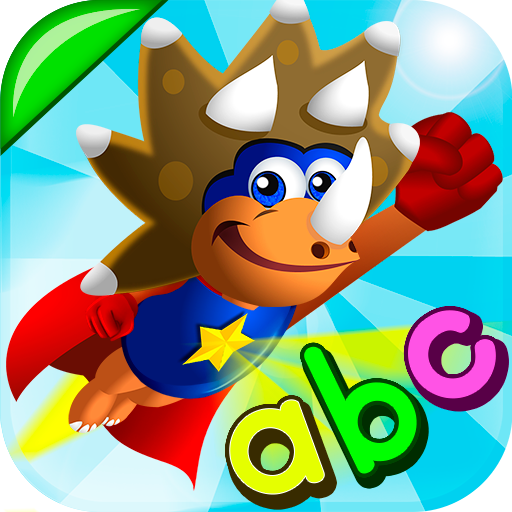
Five-year-old Aiden struggled with letter recognition despite his parents’ best efforts with traditional methods. His kindergarten teacher suggested trying an app that featured dinosaur characters teaching phonics. The combination of his love for dinosaurs and the interactive format clicked immediately. Three months later, Aiden was reading simple books independently and asking to write his own stories.
These transformations ripple through communities. Literate individuals can help their neighbors navigate official documents, read medicine labels correctly, and access information that improves health and safety. Children who develop strong early literacy skills perform better across all academic subjects and are more likely to pursue higher education.
🔍 Choosing the Right App for Your Needs
With thousands of literacy apps available, selecting the appropriate one requires consideration of several factors. Age appropriateness is obvious but crucial—apps designed for children often won’t engage adult learners, and vice versa. Reading reviews from users in similar situations provides valuable insight into real-world effectiveness.
Consider the learning approach. Some apps emphasize phonics, teaching the relationship between letters and sounds. Others focus on whole language methods, introducing entire words in meaningful contexts. Research suggests that the most effective literacy instruction combines both approaches, so apps that integrate multiple methodologies often produce superior results.
Technical requirements matter too. Check device compatibility, storage space needed, and whether the app functions offline. Privacy policies deserve attention, especially for apps used by children. Reputable developers clearly state what data they collect and how it’s used, never selling user information to third parties.
🚀 Beyond Basic Literacy: Building Lifelong Learning
The skills developed through literacy apps extend far beyond simply reading and writing. Users develop persistence, learn to break complex tasks into manageable steps, and experience the satisfaction of mastering new abilities through consistent effort. These metacognitive skills transfer to other areas of life, from learning new job skills to managing household finances.
Digital literacy naturally develops alongside reading skills. Seniors who initially needed help navigating the app interface soon find themselves confidently using other smartphone features. They send emails, search for information online, and connect with distant family through video calls—doors that open because they conquered the initial barrier of a literacy app.
For children, early positive experiences with educational technology set the stage for future learning. They develop healthy relationships with screens, understanding that devices can be powerful tools for growth rather than just entertainment. This foundation becomes increasingly valuable as education and work continue shifting toward digital platforms.
🌟 The Future of Accessible Education
Artificial intelligence is making literacy apps even more responsive. Advanced systems now detect subtle patterns in user behavior, identifying specific struggles before they become frustrating obstacles. If a learner consistently confuses certain letter combinations, the AI provides targeted practice without explicit instruction, making the remediation feel like natural progression rather than remedial work.
Virtual reality and augmented reality technologies promise to make literacy learning even more immersive. Imagine pointing a device at any object and hearing its name spoken aloud, then seeing the word spelled in space. These emerging technologies could make the entire world a literacy classroom, connecting abstract symbols to concrete experiences in unprecedented ways.
Community features are expanding too. Some apps now connect learners with volunteer tutors for live video sessions, combining the flexibility of app-based learning with the irreplaceable value of human connection. Others create safe social spaces where users celebrate achievements together, building supportive communities around shared learning goals.
📊 Measuring Success Beyond Test Scores
While literacy metrics like reading level and vocabulary size provide useful benchmarks, the true measure of these apps’ impact goes deeper. Confidence increases when learners realize they can tackle challenges they once thought impossible. Independence grows as people access information without relying on others to read for them.
Family relationships often improve dramatically. Parents who learn alongside their children model lifelong learning and create shared experiences. Grandparents who develop literacy skills can participate more fully in family life, from helping with homework to reading texts and emails independently. These social and emotional benefits matter just as much as the academic progress.
Economic impacts deserve recognition too. Adults who improve their literacy often qualify for better jobs, earn promotions, or start businesses they couldn’t have managed before. Children with strong early literacy skills face fewer educational obstacles, reducing the likelihood of expensive interventions later. The return on investment—both personally and societally—is substantial.
✨ Taking the First Step Toward Literacy
Beginning the literacy journey can feel intimidating, whether you’re a senior who has hidden illiteracy for decades or a parent worried about your child’s readiness for school. The beauty of app-based learning is that the first step is small and private. Download the app, open it, and try just one lesson. There’s no enrollment form, no commitment, no judgment—just an opportunity.
Consistency matters more than intensity. Fifteen minutes daily produces better results than occasional marathon sessions. The repetition helps information move from short-term to long-term memory, and the daily habit builds momentum that carries learners through inevitable plateaus.
Celebrate small victories. The first word read independently, the first sentence written correctly, the first story completed—these milestones deserve recognition. Share achievements with supportive friends or family members. Many apps include certificate features or achievement badges specifically designed to mark and celebrate progress, providing tangible evidence of growth.
Remember that struggles are part of the process. Every reader, no matter how accomplished, once looked at symbols on a page and felt confused. The difference between those who succeed and those who give up is simply persistence. Apps make persistence easier by keeping the experience engaging and by breaking the enormous goal of “learning to read” into hundreds of tiny, achievable steps.
🎉 A World Where Everyone Can Read
The vision driving literacy app development is a world where the ability to read and write is truly universal—not limited by geography, economics, age, or circumstance. We’re closer to that goal than ever before. The smartphone in your pocket contains more educational potential than entire libraries did a generation ago, and that potential is finally being realized through thoughtfully designed applications.
Millions have already discovered that it’s never too late and never too early to become literate. Seniors in their eighties are experiencing the joy of reading for the first time. Preschoolers are entering kindergarten already recognizing letters and sounding out simple words. People with learning disabilities that made traditional instruction frustrating are finding approaches that finally work for their brains.
This democratization of literacy represents one of technology’s greatest achievements. Unlike many digital innovations that primarily benefit the already privileged, literacy apps are genuinely leveling the playing field. They’re reaching people that traditional education systems have failed, and they’re doing it with dignity, joy, and proven effectiveness.
Whether you’re considering a literacy app for yourself, your child, a parent, or a grandparent, know that you’re participating in a quiet revolution. Each person who learns to read doesn’t just gain a skill—they join a community of empowered individuals who can access information, express themselves, and pursue dreams that literacy makes possible. The app is just the tool; the transformation belongs to the learner.
