
Anúncios
Pilates has evolved from a studio-based practice into a powerful at-home wellness routine that’s transforming lives across the globe, one mindful movement at a time.
Anúncios
The shift toward home-based fitness has opened doors for countless individuals seeking flexibility, strength, and mental clarity without leaving their living rooms. Pilates, with its low-impact yet highly effective approach, has become the go-to choice for busy professionals, parents, seniors, and fitness enthusiasts alike.


What makes this method so appealing is its adaptability. Whether you’re recovering from an injury, looking to build core strength, or simply wanting to feel better in your body, Pilates meets you exactly where you are. Let’s explore why so many people are rolling out their mats at home and experiencing real, lasting benefits.
Anúncios
🧘♀️ What Makes Pilates So Effective at Home?
Pilates was originally designed as a mat-based practice, making it perfectly suited for home environments. Unlike other fitness modalities that require bulky equipment or large spaces, Pilates thrives on simplicity. A mat, comfortable clothing, and a small area are all you truly need to begin.
The beauty of Pilates lies in its focus on controlled movements, breath coordination, and alignment. These principles translate seamlessly to at-home practice, where distractions are minimal and you can tune into your body’s signals. Many practitioners report feeling more connected to their movements when practicing in familiar, comfortable surroundings.
Additionally, the rise of digital platforms and specialized apps has made professional-quality instruction accessible to everyone. Guided sessions, personalized routines, and progress tracking tools empower users to maintain consistency and see tangible results.

💪 Core Benefits That Transform Daily Life
Pilates isn’t just about aesthetics or flexibility—it fundamentally changes how your body functions. The core strengthening aspect is perhaps the most celebrated benefit, but it extends far beyond visible abs.
Enhanced Posture and Spinal Health
Hours spent hunched over computers or smartphones wreak havoc on our spines. Pilates directly addresses postural imbalances by strengthening the deep stabilizing muscles around the spine. Practitioners often notice they stand taller, sit with less discomfort, and move with greater ease after just a few weeks of consistent practice.
The emphasis on spinal articulation—moving through each vertebra with intention—creates mobility where stiffness once lived. This translates to reduced back pain, improved breathing capacity, and a general sense of lightness in the body.
Improved Flexibility Without Strain
Unlike aggressive stretching routines, Pilates builds flexibility gradually through dynamic movements. The method lengthens muscles while simultaneously strengthening them, creating balanced, functional flexibility that supports everyday activities.
This approach reduces injury risk and helps maintain joint health as we age. Simple tasks like reaching for items on high shelves, bending to tie shoes, or playing with children become easier and more comfortable.
Mental Clarity and Stress Reduction
The mindful nature of Pilates creates a moving meditation experience. Focusing on breath patterns and precise movements quiets mental chatter and activates the parasympathetic nervous system—our body’s natural relaxation response.
Regular practitioners report lower anxiety levels, improved sleep quality, and better emotional regulation. The practice becomes a sanctuary within the day, a moment to disconnect from external pressures and reconnect with yourself.
🏠 Essential Tips for Starting Your Home Pilates Practice
Transitioning to home practice requires some strategic planning, but the investment pays dividends in convenience and consistency. Here’s how to set yourself up for success from day one.
Create Your Dedicated Space
You don’t need an entire room, but designating a specific area sends a psychological signal that this is your wellness zone. Choose a spot with enough room to extend your arms and legs in all directions—typically about 6 feet by 3 feet.
Consider natural lighting, good ventilation, and minimal visual distractions. Some practitioners add a small plant, candle, or inspirational image to make the space inviting. The goal is creating an environment you look forward to entering.
Invest in Quality Basic Equipment
While Pilates can be performed with zero equipment, a few key items enhance comfort and expand exercise options:
- High-quality mat: Look for 10-15mm thickness to cushion your spine during floor work
- Resistance bands: Add variable resistance for strengthening exercises
- Small inflatable ball: Increases instability for deeper core engagement
- Foam roller: Perfect for myofascial release and balance challenges
- Pilates ring: Provides resistance for inner thigh and arm work
Start with just a mat if budget is a concern. You can gradually add props as your practice evolves and you identify what serves your goals best.
Follow Structured Progressions
One common mistake is attempting advanced exercises too quickly. Pilates builds on foundational patterns—skipping steps can lead to frustration or injury. Quality instruction, whether through apps, videos, or virtual classes, ensures you develop proper form before progressing.
Aim for 2-4 sessions weekly when starting. Consistency matters more than duration—three 20-minute sessions surpass one exhausting hour-long workout. As your body adapts, you’ll naturally want to practice longer or more frequently.
🌟 Real-World Applications: How Pilates Improves Daily Activities
The true measure of any fitness practice is how it enhances everyday life. Pilates shines in this regard, creating functional strength that carries over into countless daily scenarios.
Better Balance and Fall Prevention
Pilates exercises challenge proprioception—your body’s awareness of its position in space. This heightened awareness significantly reduces fall risk, especially important for older adults. The controlled movements train reactive balance, so your body instinctively adjusts when encountering uneven surfaces or unexpected shifts.
Enhanced Athletic Performance
Athletes across disciplines incorporate Pilates as cross-training. Runners develop hip stability that prevents common injuries. Tennis players improve rotational power. Swimmers enhance breath control and core strength. The method complements rather than competes with other activities, filling movement gaps and addressing imbalances.
Pregnancy and Postpartum Recovery
Modified Pilates is exceptional for expectant mothers, strengthening the pelvic floor, maintaining core connection, and preparing the body for labor. Postpartum, it aids recovery by gently re-engaging abdominal muscles and addressing diastasis recti when practiced under proper guidance.
Chronic Pain Management
Physical therapists frequently prescribe Pilates-based exercises for managing chronic conditions like fibromyalgia, arthritis, and lower back pain. The low-impact nature allows movement without exacerbating symptoms, while the strengthening component addresses underlying muscular weaknesses contributing to pain.
📱 Leveraging Technology for Home Practice Success
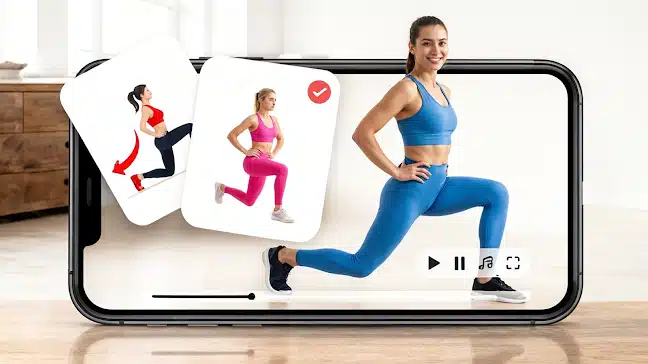
Modern technology has democratized access to expert instruction. Specialized apps now offer everything from beginner tutorials to advanced sequences, complete with form corrections and progress tracking.
These platforms typically include features like:
- Customizable workout lengths (5-60+ minutes)
- Difficulty level filters
- Targeted routines (back care, flexibility, strength)
- Video demonstrations with multiple camera angles
- Community features for motivation and accountability
The advantage of app-based learning is personalization. You control the pace, choose focus areas, and repeat sessions until movements feel natural. Many users appreciate the privacy of home practice, where they can focus entirely on their experience without comparison to others.
🕐 Building a Sustainable Routine
Consistency transforms Pilates from an occasional activity into a lifestyle pillar. The key is removing friction between intention and action.
Schedule It Like Any Important Appointment
Treat your Pilates sessions as non-negotiable commitments. Morning practices energize your day, while evening sessions promote relaxation before sleep. Experiment to discover what timing feels most sustainable for your schedule.
Start Small and Build Gradually
Beginners often burn out by attempting too much too soon. Start with just 10-15 minutes daily. This creates the habit without overwhelming your schedule or body. As the routine becomes automatic, naturally extend session length or frequency.
Track Progress Beyond Physical Changes
While body composition changes are gratifying, they shouldn’t be your only metrics. Notice improved energy levels, better sleep quality, reduced stress, enhanced mood, decreased pain, and improved performance in other activities. These “invisible” benefits often appear before visible physical changes and provide powerful motivation.
🎯 Common Mistakes to Avoid
Even experienced practitioners can develop counterproductive habits. Awareness of these common pitfalls helps you maximize benefits while minimizing frustration.
Rushing Through Movements
Pilates is not about repetition quantity—it’s about movement quality. Each exercise should feel controlled and intentional. If you’re speeding through sequences, you’re likely compensating with momentum rather than engaging target muscles. Slow down, breathe deeply, and focus on precision.
Ignoring Proper Breathing
Breath isn’t just an accessory to movement—it’s integral to the method’s effectiveness. Proper breathing patterns facilitate core engagement, promote relaxation, and ensure adequate oxygen delivery to working muscles. If you’re holding your breath, you’re missing a fundamental component.
Neglecting Rest and Recovery
While Pilates is gentle compared to high-intensity workouts, your body still needs recovery time. Muscles strengthen during rest periods, not during the workout itself. Listen to fatigue signals and incorporate active recovery days with gentle stretching or walking.
💡 Personalizing Your Practice for Maximum Benefits
Generic programs offer a starting point, but the most transformative practices are those tailored to individual needs, goals, and bodies.
Consider your specific objectives: Are you rehabilitating an injury? Training for an event? Managing a chronic condition? Seeking stress relief? Your goals should guide exercise selection and session structure.
Body awareness develops over time. Initially, you might simply follow instructions. Eventually, you’ll sense which areas need extra attention on particular days. Honor these signals by spending additional time on tight or weak areas.
If you have existing injuries or medical conditions, consult healthcare providers before starting. They can recommend modifications or specific exercises that support your health needs safely.
🌈 The Mental and Emotional Transformation
Beyond physical benefits, home Pilates practice cultivates profound mental and emotional shifts. The discipline required to maintain a solo practice builds self-trust and resilience that extends far beyond the mat.
Creating this dedicated self-care time reinforces that your wellbeing matters. In our culture of constant productivity and external demands, carving out space for yourself becomes a radical act of self-respect.
The mindfulness component trains attention control—a skill that improves focus in work, relationships, and daily tasks. You become less reactive, more present, and better equipped to handle stress constructively.
Many practitioners describe their Pilates practice as a form of moving therapy, processing emotions and releasing tension held in the body. This holistic approach addresses the inseparable connection between physical and mental health.
🚀 Taking Your Practice to the Next Level
Once you’ve established a solid foundation, numerous avenues exist for deepening your practice and preventing plateaus.
Explore different Pilates styles—classical, contemporary, fusion formats that blend Pilates with yoga or barre elements. This variety keeps practice engaging while challenging your body in new ways.
Consider occasional private virtual sessions with certified instructors who can provide personalized feedback on your form and suggest progressions aligned with your goals.
Join online communities where practitioners share experiences, challenges, and victories. These connections provide accountability, inspiration, and the reminder that you’re part of a global movement toward better health.
Challenge yourself with progressive exercises, increased repetitions, longer holds, or reduced rest periods between exercises. Growth requires gradually expanding your comfort zone while respecting your body’s current capabilities.
🌸 Embracing the Journey, Not Just the Destination
The most successful Pilates practitioners view their practice as an ongoing exploration rather than a finite goal. Your body will continually change—some days you’ll feel strong and flexible, others tired or restricted. This variability is normal and valuable.
Each session offers an opportunity to learn something new about your body, breath, and mental patterns. Approach practice with curiosity rather than judgment. Celebrate small victories: the extra inch of reach in a stretch, the steadier balance in a challenging exercise, the newfound ease in daily movements.
The home practice advantage is that it evolves with you. Life circumstances change, bodies age, goals shift—your Pilates routine adapts accordingly. This flexibility makes it a truly sustainable, lifelong practice.
As more people discover the accessibility and effectiveness of home Pilates, a quiet revolution in personal wellness continues to unfold. One mat, one breath, one intentional movement at a time, individuals are reclaiming their health, finding inner strength, and proving that transformation doesn’t require fancy equipment or expensive memberships—just commitment, consistency, and the willingness to show up for yourself.
Whether you’re taking your first tentative movements or you’re years into your practice, remember that every session is an investment in your future self. The body you’re building today will carry you through tomorrow’s adventures with greater strength, flexibility, and resilience. That’s the true gift of Pilates—not just a better body, but a better quality of life that ripples through every moment of your day. 🌟
- Easier Literacy: Learning to Read and Write for All
- Teaching Literacy to Seniors and Kids via Apps
- App Simplifies Literacy for Millions of Elders and Kids
- Learn to Read and Write Easily with an App
- Easy Literacy for Seniors and Kids with an App
