
Anúncios
Working as an electrician demands precision, safety awareness, and continuous learning. This manual provides practical tips and clever tricks to enhance your daily workflow, boost efficiency, and ensure safer electrical installations.


The electrical trade is both challenging and rewarding, requiring a unique blend of technical knowledge, problem-solving skills, and physical dexterity. Whether you’re just starting your career or you’re a seasoned professional looking to refine your craft, having a collection of reliable tips and techniques can make a significant difference in your day-to-day operations.
Anúncios
From organizing your tools effectively to mastering troubleshooting methods, the small adjustments you make to your routine can save hours of frustration and prevent costly mistakes. This comprehensive guide covers essential practices that experienced electricians use to work smarter, not harder, while maintaining the highest safety standards.
🔧 Essential Tool Organization Strategies
A well-organized toolkit is the foundation of efficient electrical work. Spending precious minutes searching for the right tool not only wastes time but also breaks your concentration and workflow. Developing a systematic approach to tool storage pays dividends throughout your career.
Anúncios
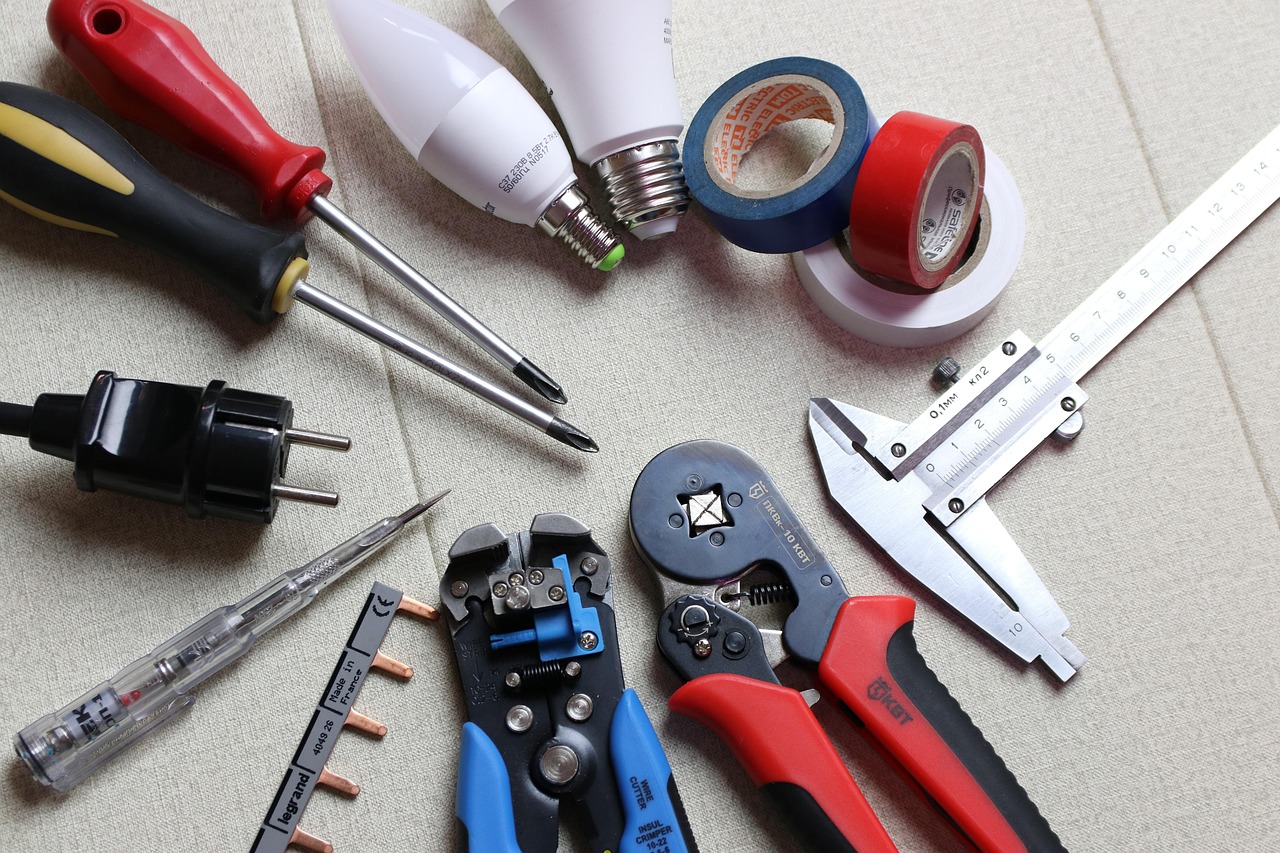
Invest in a quality tool bag or belt with designated compartments for different categories of tools. Keep your most frequently used items—wire strippers, screwdrivers, voltage testers, and pliers—in easily accessible pockets. Label compartments if necessary, especially for smaller items like wire nuts, terminals, and connectors.

Create a “tool audit” habit at the end of each workday. Before leaving a job site, take five minutes to ensure all tools are accounted for and returned to their proper places. This simple routine prevents lost tools and ensures you’re always ready for the next job without scrambling to find missing equipment.
Consider using magnetic wristbands or pouches for holding screws, nails, and small fasteners while working. This keeps your hands free and prevents the common frustration of dropped hardware rolling into inaccessible areas. Color-coding tool handles with electrical tape can also help you quickly identify specific tools in dim lighting conditions.

⚡ Smart Circuit Troubleshooting Techniques
Effective troubleshooting separates good electricians from great ones. Rather than randomly testing connections, develop a methodical approach that narrows down problems efficiently. Always start with the most obvious potential issues before diving into complex diagnostics.
When facing a circuit problem, begin by gathering information. Ask the client or building occupant about exactly when the issue started, whether any work was recently performed, and if any patterns exist (like problems occurring only at certain times). This detective work often provides valuable clues that save diagnostic time.
Use the “divide and conquer” method for circuit tracing. If a circuit isn’t working, test at the midpoint first. If power is present there, the problem lies in the second half; if not, focus on the first half. Continue this binary search approach until you isolate the faulty section.
Document recurring issues you encounter and their solutions in a small notebook or smartphone app. Over time, this personal reference library becomes an invaluable resource. You’ll recognize patterns in certain building types, specific fixture brands, or common installation mistakes, allowing you to diagnose similar problems much faster in the future.
🛡️ Daily Safety Practices That Save Lives
Safety should never be compromised, regardless of time pressures or familiar surroundings. Complacency causes more accidents than lack of knowledge. Integrating safety checks into your routine makes them automatic rather than afterthoughts.
Always verify that power is truly disconnected before beginning work, even if you turned off the breaker yourself. Use a non-contact voltage tester and a multimeter for confirmation—never rely on a single method. Test the tester on a known live circuit first to ensure it’s functioning properly, a step many professionals skip but shouldn’t.
Wear appropriate personal protective equipment consistently. Safety glasses protect against unexpected debris, insulated gloves prevent shocks, and proper footwear guards against punctures and electrical hazards. Keep a supply of fresh PPE in your vehicle, as worn equipment loses effectiveness over time.
Develop a habit of setting up proper lighting before starting any electrical work. Poor visibility leads to mistakes, misidentifications, and accidents. Portable LED work lights are inexpensive and dramatically improve both safety and work quality, especially in attics, crawl spaces, and electrical panels.
📐 Wire Management and Connection Best Practices
Professional-looking installations aren’t just about aesthetics—they reflect proper workmanship and make future maintenance significantly easier. Taking extra care with wire management demonstrates pride in your craft and prevents problems down the road.
When running multiple wires through conduit or along surfaces, bundle them neatly with cable ties at regular intervals. Avoid over-tightening, which can damage insulation, but ensure bundles are secure enough to prevent sagging. Leave appropriate service loops at junction boxes and panels to allow for future modifications without replacing entire wire runs.
Strip wire insulation with precision rather than haste. Remove exactly the right amount—too little makes secure connections difficult, while too much exposes unnecessary bare conductor. Quality wire strippers with gauge-specific holes produce consistent results and prevent the nicks that weaken conductors and create potential failure points.
When making wire connections, whether with wire nuts, terminal blocks, or other connectors, ensure proper mechanical security before relying on the connector alone. Pre-twist wires together slightly before applying wire nuts, and always perform a gentle tug test after completing connections to verify they’re solid.
🔍 Reading and Understanding Electrical Drawings Efficiently
Blueprint literacy significantly impacts your efficiency and accuracy on complex projects. While modern construction often involves collaboration with engineers and architects, the electrician who can independently interpret drawings works faster and makes fewer mistakes.
Start by reviewing the entire drawing set before beginning physical work. Understand the legend, symbols, and abbreviations specific to that project. Note any unusual conventions or specifications that differ from standard practice. This overview prevents surprises mid-installation.
Use colored pencils or highlighters on printed drawings (or digital annotation tools on tablets) to mark completed sections as you work. This visual tracking system helps with progress monitoring and ensures nothing gets overlooked, especially on large projects spanning multiple days or weeks.
Cross-reference electrical drawings with architectural and structural plans regularly. Wall locations, ceiling heights, and structural elements shown on architectural drawings directly impact your installation routes and methods. Catching conflicts during planning rather than during installation saves tremendous time and material costs.
💡 Energy Efficiency Tips for Modern Installations
Today’s electricians serve as energy advisors whether they realize it or not. Clients increasingly ask about efficiency, and providing knowledgeable recommendations builds your reputation and often leads to additional work. Understanding current energy-saving technologies positions you as a forward-thinking professional.
When upgrading lighting systems, calculate the payback period for LED conversions based on current energy costs and usage patterns. Presenting clients with specific numbers—”This upgrade will pay for itself in 18 months”—is far more compelling than vague efficiency claims. Free online calculators make these computations quick and accurate.
Recommend occupancy sensors and daylight harvesting controls in appropriate applications. Bathrooms, storage areas, and rooms with natural light benefit significantly from automated controls. Explain that modern sensors are much more reliable than older technology, addressing concerns clients might have from past negative experiences.
Educate customers about phantom loads and the benefits of smart power strips or whole-house energy monitoring systems. Many homeowners waste significant electricity on devices in standby mode without realizing it. Positioning yourself as an energy consultant in addition to an electrician opens doors to consulting opportunities and repeat business.
🧰 Maintenance Routines That Extend Tool Life
Professional tools represent a substantial investment, and proper maintenance dramatically extends their useful life while ensuring reliable performance. A tool failure at a critical moment costs time, money, and professional credibility.
Clean your tools regularly, especially after working in dusty or dirty environments. Accumulated debris affects tool precision and can damage moving parts. A simple wipe-down with appropriate cleaners takes minutes but prevents premature wear and ensures tools function smoothly.
Keep cutting tools sharp. Dull wire cutters and strippers require more force, leading to hand fatigue and imprecise cuts. Many tool suppliers offer sharpening services, or you can learn to sharpen blades yourself with proper files and stones. Sharp tools are safer tools—they cut cleanly with less force, reducing the chance of slipping.
Store power tools properly between jobs. Remove batteries from cordless tools if they won’t be used for several days, and store batteries at partial charge rather than fully charged or depleted for optimal longevity. Keep tools in their cases rather than loose in truck beds where they’re exposed to moisture, extreme temperatures, and physical impacts.
📱 Leveraging Technology for Enhanced Productivity
Modern electricians who embrace technology gain significant competitive advantages. Smartphones and tablets aren’t distractions—they’re powerful tools that streamline communication, documentation, and problem-solving when used appropriately.
Use specialized electrical calculation apps for quick load calculations, voltage drop computations, and conduit fill references. These apps eliminate errors from manual calculations and work much faster than thumbing through code books or reference tables, though you should still understand the underlying principles.
Photograph work at various stages, especially before closing up walls or ceilings. These images serve multiple purposes: documentation for building inspectors, reference for future troubleshooting, proof of proper installation methods, and portfolio pieces for attracting new clients. Organize photos by project in cloud storage for easy retrieval.
Consider project management apps designed for trades professionals. These tools help track job progress, manage materials lists, log hours, and communicate with clients and team members. Digital documentation reduces paperwork, improves organization, and presents a professional image to clients.
🎯 Time Management Strategies for Electricians
Efficient time management directly impacts profitability and work-life balance. The electrician who completes quality work in less time earns more per hour and enjoys more personal time, a win-win situation that requires intentional planning and discipline.
Batch similar tasks together when possible. If you’re already in an attic running one circuit, consider what other attic work could be completed during the same trip rather than making multiple separate journeys. This “while you’re there” approach maximizes efficiency on every job site visit.
Prepare thoroughly before arriving at job sites. Review project requirements, load your vehicle with necessary materials and tools, and identify potential challenges you might encounter. Five minutes of preparation often saves an hour of work, particularly by preventing return trips for forgotten materials.
Set realistic time estimates and add buffer time for unexpected complications. Rushing leads to mistakes, safety shortcuts, and poor workmanship. When clients ask for time estimates, provide ranges rather than exact figures, and explain that electrical work sometimes reveals hidden issues that affect timelines.
🏗️ Working Effectively with Other Trades
Construction projects involve multiple trades working in overlapping timeframes and shared spaces. Electricians who collaborate well with plumbers, HVAC technicians, framers, and other professionals create smoother projects for everyone involved and build reputations that lead to more work.
Communicate proactively about your space requirements and timeline. If you need exclusive access to a particular area or need other trades to complete their work before you can proceed, voice these needs early. Waiting until conflicts arise creates tension and delays.
Respect work completed by other trades. Avoid drilling through studs unnecessarily, don’t leave debris in finished spaces, and repair any accidental damage you cause immediately. Treating job sites and others’ work with respect builds goodwill and encourages reciprocal consideration.
Be flexible when reasonable. Construction schedules rarely proceed exactly as planned, and rigidly insisting on the original schedule when minor adjustments would keep projects moving creates unnecessary friction. Balance protecting your workflow with understanding that everyone faces unexpected challenges.
📚 Continuing Education and Skill Development
The electrical trade evolves continuously with new technologies, code updates, and installation methods. Electricians committed to ongoing learning stay relevant, command higher rates, and find their work more interesting and challenging throughout their careers.
Attend code update classes whenever the National Electrical Code is revised. These sessions highlight significant changes and explain the reasoning behind them, deepening your understanding beyond simple memorization. Many jurisdictions require continuing education for license renewal, but view these requirements as opportunities rather than obligations.
Seek out specialty training in growing fields like solar installation, electric vehicle charging systems, home automation, and energy storage. These emerging areas offer less competition and higher profit margins than traditional residential work, positioning you for long-term career growth.
Learn from every experienced electrician you encounter. Even professionals with decades of experience regularly discover new techniques and approaches from colleagues. Maintain a humble, curious attitude that recognizes there’s always more to learn, regardless of your current skill level.
💼 Building Client Relationships and Business Skills
Technical excellence alone doesn’t guarantee business success. Electricians who develop strong communication skills, business acumen, and customer service orientation thrive professionally and financially while enjoying more satisfying client interactions.
Explain electrical concepts in plain language without condescension. Clients don’t need to understand voltage and amperage theory, but they appreciate understanding what you’re doing and why it matters. This transparency builds trust and justifies your professional rates.
Provide detailed, written estimates that itemize labor and materials. Surprise costs damage relationships and your reputation. If unexpected issues arise during work, stop and discuss options with the client before proceeding rather than presenting them with unexpected charges upon completion.
Follow up after completing projects to ensure client satisfaction. A simple phone call or message asking if everything is working properly demonstrates professionalism and often leads to referrals. Satisfied clients become your best marketing resource through word-of-mouth recommendations.
🌟 Developing Your Professional Reputation
Your reputation is your most valuable professional asset, built through consistent quality work, reliability, and integrity. While establishing a strong reputation takes years, maintaining it requires constant attention to how you conduct yourself and your business.
Show up when you say you will. Reliability might seem basic, but countless service professionals fail this fundamental test. If you commit to a specific date and time, honor that commitment or communicate changes well in advance. This simple practice immediately distinguishes you from less professional competitors.
Stand behind your work with solid warranties and quick responses to any issues. Even the most skilled electricians occasionally face callbacks due to defective components or overlooked details. How you handle these situations defines your reputation more than avoiding problems entirely.
Maintain licensing, insurance, and bonding properly. Operating legally protects both you and your clients while demonstrating professionalism. Clients increasingly verify credentials before hiring, and proper documentation provides peace of mind that attracts quality customers willing to pay fair rates.
🔋 Staying Physically Healthy in a Demanding Trade
Electrical work is physically demanding, requiring climbing, crawling, lifting, and working in awkward positions. Protecting your body ensures a long, productive career rather than chronic pain and early retirement due to preventable injuries.
Use proper lifting techniques consistently, bending at the knees rather than the waist and keeping loads close to your body. Request help with heavy or awkward items rather than risking injury to meet deadlines. A back injury can end your career—no job is worth that risk.
Invest in quality knee pads and use them faithfully when working in positions that stress your knees. Knee damage accumulates gradually until suddenly you’re facing chronic pain or surgery. Prevention through simple protective equipment is far easier than treating established problems.
Stretch regularly, especially before starting physically demanding tasks. Brief stretching routines improve flexibility, reduce injury risk, and help your body recover from the day’s physical stresses. Consider this maintenance as essential as servicing your tools and vehicle.
✨ The Path to Electrical Excellence
Mastering the electrical trade is a lifelong journey rather than a destination. The tips and techniques outlined in this manual provide practical starting points, but true expertise comes from applying these principles consistently while remaining open to continuous improvement and learning.
Remember that every job site offers learning opportunities, whether you’re running simple circuits or tackling complex commercial installations. Approach your work with curiosity, attention to detail, and commitment to safety and quality. These attitudes, combined with solid technical skills and good business practices, create a foundation for a rewarding, successful career.
The most respected electricians share common traits: they work safely, communicate clearly, deliver quality results consistently, and treat every project—regardless of size—with professionalism. By incorporating these practices into your daily routine, you’ll not only improve your technical skills but also build a reputation that attracts better projects, commands higher rates, and brings personal satisfaction from work well done.
