Anúncios
Learning to Read Anytime
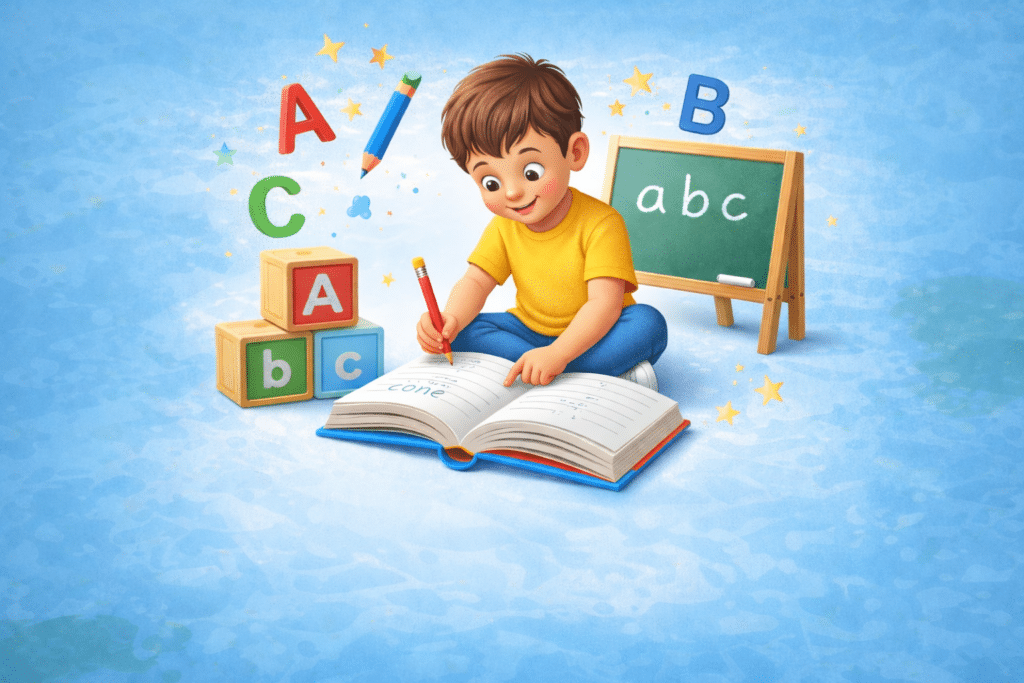


Aprender a ler e escrever é um direito humano fundamental, e nunca é cedo ou tarde demais para começar essa jornada transformadora rumo à alfabetização e ao empoderamento pessoal.
Anúncios
Seja você uma criança pequena começando a reconhecer letras, um adulto que perdeu oportunidades educacionais na infância ou um idoso ansioso para desvendar novos mundos através da leitura, a jornada para a alfabetização está sempre aberta. A crença de que o aprendizado tem um limite de idade é um mito que impediu muitas pessoas de atingirem seu pleno potencial.
Hoje, a tecnologia tornou essa jornada mais acessível do que nunca. Com aplicativos educacionais inovadores, desenvolvidos especificamente para o desenvolvimento da alfabetização, qualquer pessoa com um smartphone ou tablet pode começar a aprender no seu próprio ritmo, no seu próprio espaço, sem julgamentos ou pressão. Essas ferramentas se adaptam ao seu estilo de aprendizagem e atendem exatamente onde você está.
Anúncios
📚 Quebrando a barreira da idade na alfabetização

Durante décadas, a sociedade perpetuou a ideia prejudicial de que a alfabetização deve ser adquirida na infância, ou a oportunidade se fecha para sempre. Isso simplesmente não é verdade. O cérebro humano mantém uma plasticidade notável ao longo da vida, sendo capaz de formar novas vias neurais e adquirir novas habilidades independentemente da idade.
Estudos em neurociência demonstraram que adultos podem aprender a ler tão eficazmente quanto crianças, embora possam utilizar estratégias cognitivas diferentes. Os aprendizes adultos frequentemente trazem consigo experiência de vida, motivação e contexto que, na verdade, aceleram sua compreensão da linguagem escrita.
As barreiras emocionais costumam ser maiores do que as cognitivas. Muitos adultos com dificuldades de alfabetização carregam vergonha, constrangimento ou traumas relacionados a experiências educacionais passadas. Criar um ambiente de aprendizagem seguro, privado e livre de julgamentos é essencial para o sucesso.
É aqui que os aplicativos modernos de alfabetização se destacam. Eles oferecem anonimato, paciência e ritmo personalizado que as salas de aula tradicionais nem sempre conseguem proporcionar. Ninguém precisa saber que você está aprendendo, exceto você mesmo, eliminando a ansiedade social que impede muitos adultos de buscar ajuda.
🧠 Por que os adultos aprendem de forma diferente (e isso é perfeitamente normal)
Os adultos abordam a alfabetização com vantagens e desafios únicos. Ao contrário das crianças, os adultos têm uma compreensão da linguagem totalmente desenvolvida, vocabulário rico na língua falada e contextos do mundo real para ancorar novas habilidades de leitura.
No entanto, os adultos também podem enfrentar obstáculos como tempo limitado, responsabilidades concorrentes, experiências escolares negativas anteriores e crenças arraigadas sobre suas próprias capacidades. Programas eficazes de alfabetização de adultos reconhecem essas diferenças e adaptam o ensino de acordo com elas.
The best literacy apps for adult learners incorporate principles of andragogy—the art and science of teaching adults. These include:
- Self-directed learning paths that give learners control over their progress
- Problem-centered approaches that connect reading to real-life situations
- Immediate application of skills to relevant, meaningful texts
- Respect for the learner’s experience and existing knowledge
- Clear, achievable goals that build confidence incrementally
Modern literacy apps understand that motivation comes from seeing practical results quickly. Being able to read a text message, a recipe, a road sign, or a job application provides immediate reinforcement that keeps learners engaged and progressing.
👶 Starting Young: The Benefits of Early Literacy Exposure
While it’s never too late to learn, starting literacy education early does provide significant advantages. Young children’s brains are exceptionally receptive to language patterns, phonetic relationships, and symbolic representation.
Early literacy skills form the foundation for all future academic learning. Children who develop strong reading abilities by third grade are significantly more likely to graduate high school and pursue higher education. The impact on lifetime earning potential and quality of life is substantial.
Interactive literacy apps designed for young learners make the process engaging and fun, transforming what could be tedious drill work into playful exploration. Gamification elements, colorful characters, and immediate positive feedback keep children motivated and eager to continue learning.
Parents and caregivers can use these apps to supplement formal education or provide structure for homeschooling. The apps offer clear progression paths, ensuring that foundational skills are mastered before moving to more complex concepts.
🌟 The Power of Technology in Democratizing Education
Educational technology has revolutionized access to learning resources. What once required expensive tutors, specialized schools, or dedicated literacy programs can now be accessed for free or minimal cost through smartphone applications.
This democratization is particularly powerful in regions with limited educational infrastructure, in rural communities far from literacy centers, and for individuals whose work schedules or physical limitations prevent attendance at traditional classes.
A privacidade proporcionada pelos aplicativos é especialmente importante para alunos adultos que podem se sentir vulneráveis em relação às suas dificuldades de alfabetização. Aprender no conforto de casa, no seu próprio ritmo, elimina muitas das barreiras que historicamente impediram os adultos de buscar instrução em alfabetização.
Quality literacy apps incorporate proven pedagogical methods, adaptive learning algorithms that adjust to individual progress rates, and multimedia elements that engage multiple senses. This multi-modal approach strengthens neural pathways and improves retention.
✨ Key Features of Effective Literacy Apps
Not all educational apps are created equal. The most effective literacy applications share several important characteristics that maximize learning outcomes and keep users engaged over the long term.
First, they provide systematic, sequential instruction that builds skills progressively. Jumping randomly between concepts creates confusion, while carefully scaffolded lessons ensure each new skill builds logically on previously mastered foundations.
Second, effective apps include extensive practice opportunities with immediate feedback. Repetition is essential for skill automaticity, but it must be varied and engaging to prevent boredom. Quality apps find creative ways to practice the same skills through different activities.
Third, the best literacy apps incorporate speech recognition technology, allowing learners to practice pronunciation and receive instant feedback on their reading accuracy. This feature is particularly valuable for learners without access to human tutors.
Additional important features include:
- Progress tracking that visualizes improvement over time
- Customizable difficulty levels that adapt to learner ability
- Multiple learning modes (visual, auditory, kinesthetic)
- Offline functionality for use without internet access
- Motivational elements like badges, streaks, and celebrations
- Parent or teacher dashboards to monitor progress
💪 Overcoming Common Literacy Learning Challenges
Every learner encounters obstacles on their literacy journey. Recognizing these challenges in advance and having strategies to address them significantly increases the likelihood of success.
For adult learners, time management is often the primary challenge. Balancing work, family responsibilities, and personal obligations while carving out dedicated learning time requires commitment and planning. Successful learners often set specific daily appointments with themselves for practice, even if just 15-20 minutes.
Frustration and self-doubt are common emotional challenges. Progress in literacy can feel slow, and setbacks are normal. Apps that celebrate small victories and provide consistent positive reinforcement help learners maintain motivation through difficult periods.
Some learners discover they have undiagnosed learning differences such as dyslexia that affect reading acquisition. Quality literacy apps often include accommodations like adjustable text size, specialized fonts designed for dyslexic readers, and alternative learning pathways.
Physical challenges like vision problems can also impact learning. Many apps include accessibility features like text-to-speech, high contrast modes, and adjustable interface elements that make learning possible for users with various abilities.
🎯 Creating a Sustainable Learning Routine
The key to literacy success isn’t intensive cramming sessions, but rather consistent, regular practice over time. Building reading and writing skills requires frequent exposure and practice for neural pathways to strengthen and become automatic.
Education researchers consistently find that shorter, daily practice sessions are far more effective than longer, sporadic study periods. Even 15 minutes of focused practice daily produces better results than an hour once a week.
Successful learners create environmental cues and habits that support their goals. This might mean keeping your device charged and ready in a specific spot, practicing at the same time each day, or pairing literacy practice with an existing habit like morning coffee.
Variety within routine also helps maintain engagement. Quality literacy apps automatically provide varied activities, but learners can also supplement app practice by attempting to read simple texts in their environment—signs, labels, social media posts, children’s books.
🌍 The Life-Changing Impact of Literacy
The ability to read and write fundamentally transforms every aspect of life. Literacy is strongly correlated with improved health outcomes, as people who can read are better able to understand medical information, follow prescription instructions, and advocate for their healthcare needs.
Economic benefits are substantial. Literacy opens access to better employment opportunities, higher wages, and the ability to continue learning new skills throughout life. In our increasingly digital economy, basic literacy is the minimum requirement for most jobs.
Personal relationships often improve as well. Being able to send text messages, read notes, help children with homework, or participate in community activities builds confidence and strengthens social connections.
Perhaps most importantly, literacy provides autonomy and dignity. The ability to read a menu, fill out forms independently, or navigate unfamiliar places without assistance restores a sense of control and self-determination that illiteracy undermines.
For older adults, maintaining cognitive engagement through literacy learning may even provide protective benefits against cognitive decline. Learning new skills creates neural connections and keeps the brain active and healthy.
🚀 Taking the First Step Today
The hardest part of any learning journey is simply beginning. If you’re reading this article and feeling inspired to start or restart your literacy journey, there’s no better time than right now to take that first step.
Download a quality literacy app designed for your age and current skill level. Most offer free trials or free basic versions that let you explore the interface and teaching style before committing financially.
Set a realistic goal—perhaps just 10 minutes of practice daily for the first week. Success breeds motivation, so starting small and building consistency is more effective than ambitious goals that lead to burnout.
Be patient and compassionate with yourself. Learning literacy as an adult takes courage, and every small step forward is worth celebrating. You’re not “behind” or “slow”—you’re exactly where you need to be, taking control of your own education.
Consider sharing your goal with one trusted person who can provide encouragement. While the privacy of app-based learning is valuable, having someone who knows about your efforts and can offer support during challenging moments can make a significant difference.
📱 Finding the Right App for Your Journey
The literacy app market has expanded dramatically, offering options for every age group, learning style, and language. Choosing the right app for your specific needs increases the likelihood of long-term success and engagement.
For young children, look for apps with engaging characters, interactive elements, and clear parent controls. The best children’s literacy apps make learning feel like play while systematically building phonemic awareness, letter recognition, and early reading skills.
Adult learners should prioritize apps that respect their intelligence and life experience while providing instruction at an appropriate level. Look for apps that avoid childish imagery while still making learning engaging and non-threatening.
If you’re learning to read in a second language, specialized apps that acknowledge your native language literacy while building skills in the new language can be particularly effective. These apps leverage what you already know rather than starting from absolute zero.
Read reviews from actual users, particularly those in your demographic. Look for comments about user interface intuitiveness, the quality of instruction, and whether users felt the app helped them make genuine progress.
🎓 Beyond the App: Supplementary Literacy Strategies
While a quality literacy app provides an excellent foundation, combining app-based learning with complementary strategies accelerates progress and deepens understanding.
Immerse yourself in a print-rich environment. Label items around your home, read along with audiobooks, watch television with subtitles turned on, or follow simple recipes. Every exposure to written language strengthens your emerging skills.
Find authentic reasons to practice reading and writing daily. Text a friend, make a shopping list, read a weather report, or journal about your day. When literacy connects to your real life rather than remaining an abstract school skill, motivation and retention increase.
Consider joining a literacy circle or finding a conversation partner, either in person or online. Many communities offer free literacy programs where you can practice with supportive tutors and fellow learners.
Be strategic about what you read. Starting with familiar content, repetitive texts, or material you’re genuinely interested in makes practice more enjoyable and comprehensible. Gradually increase complexity as your confidence grows.
💖 The Courage to Learn at Any Age
Deciding to improve your literacy skills at any stage of life requires tremendous courage. You’re choosing growth over comfort, vulnerability over hiding, and possibility over limitation.
Whether you’re five years old just beginning to recognize letters, twenty-five trying to complete a degree, forty-five seeking better job opportunities, or seventy-five wanting to read stories to grandchildren, your decision to learn deserves celebration and respect.
Remember that literacy is not a reflection of intelligence. Countless brilliant, capable, creative people struggle with reading and writing due to lack of educational opportunity, learning differences, life circumstances, or historical barriers. Your worth as a person is not determined by your current reading level.
What matters is your willingness to take steps forward. Every letter learned, every word decoded, every sentence understood represents a victory. The path may have challenges, but you are capable of walking it.
The literacy skills you develop now will serve you for the rest of your life. The confidence, independence, and opportunities that literacy provides multiply over time, creating ripples of positive change throughout your life and potentially the lives of your children and community.
So download that app, open it up, and complete just one lesson today. Then do it again tomorrow, and the next day, and the day after that. Before you know it, you’ll be reading sentences, then paragraphs, then entire books. The journey of literacy begins with a single letter, and that journey starts now.
