Anúncios
Learning to read and write is a transformative journey that knows no age limits. Whether you’re young or older, the power to learn is within you—you just need to take the first step today.
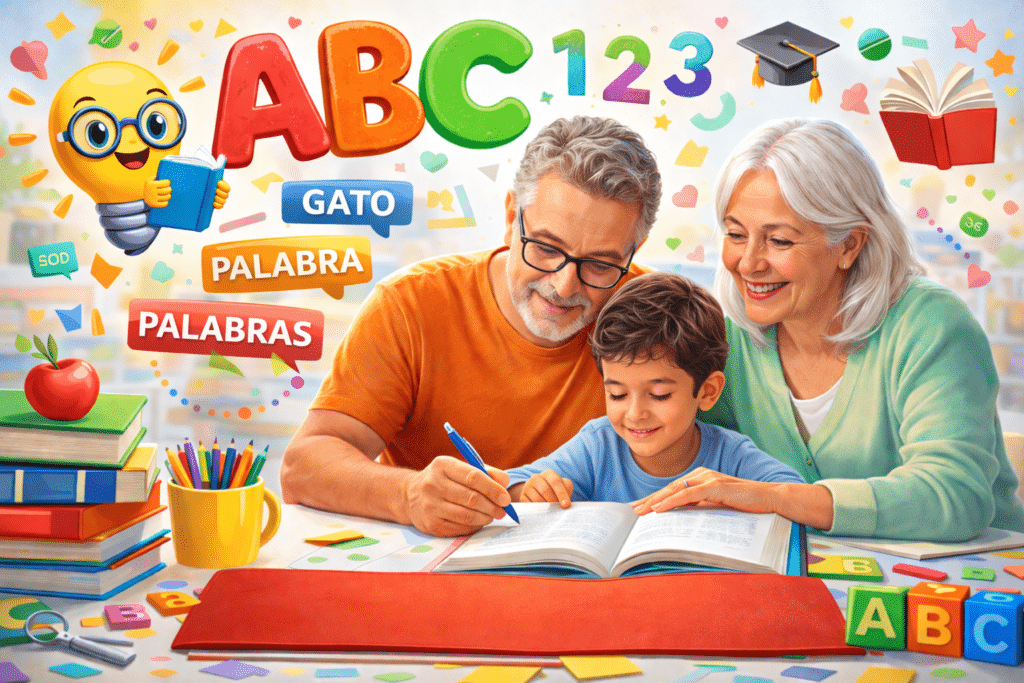


Literacy opens doors to countless opportunities, from securing better employment to simply enjoying the pleasure of reading a good book. Yet millions of adults around the world still struggle with reading and writing, often held back not by lack of ability, but by fear, shame, or the misconception that learning is only for the young. The truth? It’s never too late to start.
Anúncios
This article is your invitation to believe in yourself and embrace the exciting world of literacy. We’ll explore why age is just a number when it comes to learning, how motivation fuels success, and practical steps you can take right now to begin your reading journey. Let’s dive in and discover why today is the perfect day to start. ✨
🌟 Why Literacy Matters at Any Age

Literacy is far more than the mechanical ability to decode letters and words. It’s a fundamental human right and a gateway to personal freedom. When you can read and write, you gain independence in ways that touch every aspect of daily life.
Anúncios
Consider how often we encounter written information: street signs, medicine labels, job applications, text messages from loved ones, online banking, recipes, and so much more. Without literacy skills, navigating modern society becomes unnecessarily challenging and isolating.
Beyond practical benefits, literacy enriches your mind and soul. Reading exposes you to new ideas, different cultures, and perspectives you might never encounter otherwise. It stimulates your brain, keeps your mind sharp, and can even delay cognitive decline as you age. Writing, meanwhile, gives you a voice—a way to express your thoughts, preserve your memories, and communicate with the world.
For adults who never had the opportunity to learn as children, gaining literacy later in life often brings profound emotional rewards. Many describe feeling a weight lifted, a sense of dignity restored, and doors opening that seemed permanently closed. Your story doesn’t have to be defined by what you didn’t learn yesterday—it can be shaped by what you choose to learn today.
💪 Breaking the Myth: You’re Never Too Old to Learn
One of the most damaging misconceptions about learning is that it’s primarily a childhood activity. Society often portrays education as something that happens between ages five and eighteen, with perhaps some college added on. After that? You’re supposedly done learning.
Nothing could be further from the truth. Neuroscience has consistently shown that the adult brain remains remarkably plastic—capable of forming new connections and acquiring new skills throughout life. While children may learn certain things more quickly, adults bring invaluable advantages to the learning process.
Advantages Adults Have When Learning to Read
- Life experience: You already understand concepts, contexts, and the world around you, making comprehension easier once you master decoding.
- Motivation: Adults typically have clear, personal reasons for wanting to learn, which drives persistence.
- Self-direction: You can choose what, when, and how you learn, tailoring the experience to your needs.
- Metacognition: Adults are better at thinking about their own thinking, recognizing what works and adjusting strategies accordingly.
- Patience with yourself: While some adults are harsh self-critics, many develop compassion for themselves that children haven’t yet learned.
Stories abound of people learning to read in their 60s, 70s, and beyond. These individuals prove that age is not a barrier—it’s simply a number. What matters is your willingness to try, your commitment to practice, and your belief that you deserve the gift of literacy.
🔥 Willingness: The Only Real Requirement
You don’t need a high IQ, a college degree, or special talents to learn to read and write. You don’t need expensive equipment or a perfect environment. What you absolutely must have is willingness—the genuine desire to learn and the commitment to keep going even when it feels hard.
Willingness means showing up for yourself. It means opening that app, picking up that book, or attending that class even on days when you’re tired or discouraged. It means accepting that mistakes are part of learning, not signs of failure.
Think about other things you’ve learned in your life: cooking a new recipe, navigating a smartphone, learning to drive, raising children, mastering a job skill. None of these came instantly. You practiced, made mistakes, asked questions, and gradually improved. Literacy is no different. The same determination that helped you learn other skills will carry you through this journey too.
Your willingness transforms possibility into reality. Without it, even the best resources and teachers can’t help you. With it, even simple materials and self-study can take you remarkably far. So ask yourself honestly: am I willing? If the answer is yes, you already have the most important ingredient for success.
📱 Modern Tools Make Learning Easier Than Ever
Previous generations of adult learners faced significant obstacles: limited resources, stigma around attending adult education classes, difficulty finding appropriate materials, and few options for private, self-paced study. Today’s learners enjoy advantages that weren’t available even a decade ago.
Technology has democratized education in extraordinary ways. Smartphones and tablets put powerful learning tools directly in your hands, accessible anytime and anywhere. You can practice in the privacy of your home, during lunch breaks, while commuting, or whenever suits your schedule.
Benefits of Digital Literacy Apps
- Privacy: Learn without anyone watching or judging you.
- Pace control: Move as quickly or slowly as you need without pressure.
- Immediate feedback: Know right away if you’re correct, reinforcing learning.
- Engaging formats: Interactive games, videos, and audio make learning enjoyable.
- Systematic progression: Apps guide you through skills in logical order.
- Affordability: Many quality apps are free or inexpensive compared to traditional classes.
Of course, technology isn’t the only option. Libraries offer free literacy programs, community centers host adult education classes, and volunteer tutors provide one-on-one support. Some learners thrive with a combination: using apps for daily practice while attending a weekly class for social connection and personalized guidance.
The key is choosing what works for you. Don’t let unfamiliarity with technology hold you back—most literacy apps are designed to be intuitive even for complete beginners. And if you prefer traditional methods, they’re still widely available. What matters most is starting with something, anything, rather than waiting for perfect conditions that may never come.
🚀 How to Start Your Literacy Journey Today
Ready to begin? You don’t need to wait for the “right time” or perfect circumstances. Here’s a practical roadmap you can follow starting today, right now, this very moment.
Step 1: Acknowledge Where You Are
Be honest with yourself about your current skills without shame or judgment. Can you recognize some letters but not others? Can you write your name but struggle with other words? Do you understand spoken language well but can’t decode written text? Knowing your starting point helps you choose appropriate resources and track your progress.
Step 2: Set a Clear, Specific Goal
Rather than a vague desire to “read better,” create a concrete goal: “I want to read bedtime stories to my grandchild,” “I want to fill out job applications independently,” or “I want to read the news on my phone.” Specific goals keep you motivated because you can visualize the reward.
Step 3: Choose Your Primary Learning Method
Decide whether you’ll primarily use an app, attend classes, work with a tutor, use workbooks, or combine approaches. There’s no single “best” method—only what best fits your learning style, schedule, and comfort level. Download a literacy app today, search for local adult education programs, or visit your library to ask about resources.
Step 4: Create a Consistent Practice Schedule
Learning requires repetition. Fifteen minutes daily beats two hours once a week. Look at your routine and identify realistic times for practice: morning coffee, lunch break, before bed, during TV commercials. Write these times down and treat them as important appointments with yourself.
Step 5: Start with the Fundamentals
Begin with letter recognition and letter sounds, even if it feels too basic. Solid foundations make everything else easier. Practice writing letters, both uppercase and lowercase. Say the sounds aloud. Connect letters to words you already know from daily life.
Step 6: Build Slowly and Celebrate Progress
Once you’re comfortable with individual letters, move to simple words, then phrases, then sentences. Notice and celebrate every milestone: the first word you read independently, the first sentence you write, the first sign you understand without help. These victories matter.
Step 7: Read Things That Interest You
Don’t force yourself to read materials that bore you. If you love cooking, practice with recipes. If you’re religious, try reading from your faith’s texts. If you enjoy sports, read scores and articles about your favorite teams. Interest fuels motivation, making practice feel less like work and more like pleasure.
Step 8: Ask for Help When Needed
Learning doesn’t mean struggling alone. Ask family members, friends, or tutors to help when you’re stuck. Join online communities of adult learners where you can share challenges and encouragement. Remember that asking for help is a sign of strength and commitment, not weakness.
🌈 Overcoming Common Obstacles and Fears
Let’s address the emotional barriers that often prevent adults from pursuing literacy. These feelings are completely normal, but they don’t have to stop you.
Fear of Judgment
Many adults worry about being mocked or looked down upon for not reading well. This fear is understandable but largely unfounded. Most people admire those who undertake the courageous work of learning as adults. Anyone who would judge you for trying to improve yourself reveals their own character flaws, not yours. Focus on your goal and the people who support you, not hypothetical critics.
Shame About Past Experiences
Perhaps you struggled in school, faced learning disabilities, experienced trauma, or simply lacked opportunities due to poverty or family circumstances. These experiences weren’t your fault, and they don’t define your future. You’re not the same person you were years ago, and you deserve a fresh start. Let go of old labels and stories that no longer serve you.
Feeling “Too Old” or “Too Far Behind”
You might look at younger people or lifelong readers and feel impossibly far behind. But comparison is the thief of joy. Your journey is uniquely yours. You’re not competing with anyone else—you’re simply becoming a better version of yourself. And remember: one year from now, you’ll be one year older anyway. You can be one year older and still struggling with reading, or one year older with significantly improved skills. The choice is yours.
Frustration with the Learning Process
Learning involves mistakes, confusion, and setbacks. Some days you’ll feel like you’re making great progress; other days you’ll wonder if you’re learning anything at all. This is completely normal. The brain needs time to consolidate new information. Keep showing up, trust the process, and remember that consistency matters more than perfection.
Lack of Support at Home
Unfortunately, not everyone has encouraging family and friends. Some people face active discouragement from those who feel threatened by their growth or who don’t understand why literacy matters. If this describes your situation, seek support elsewhere: literacy programs, online communities, counselors, or faith communities. You deserve encouragement, and it exists—sometimes you just need to look beyond your immediate circle to find it.
📚 The Ripple Effect: How Your Literacy Helps Others
When you learn to read and write, the benefits extend far beyond your own life. Your literacy creates positive ripple effects that touch everyone around you, especially children and grandchildren.
Children whose parents and grandparents read to them perform better in school, develop larger vocabularies, and are more likely to become readers themselves. When you gain literacy, you can participate in your children’s education, help with homework, read report cards, and communicate with teachers. You model lifelong learning, showing young people that growth doesn’t stop at a certain age.
Your literacy also impacts your community. Literate citizens can participate more fully in civic life: reading ballot information, understanding local news, engaging with community issues, and advocating for themselves and others. Your voice becomes stronger when you can read and write.
On a personal level, literacy often sparks a broader awakening. Many adult learners report that gaining reading skills gave them confidence to pursue other goals: earning a GED, getting a driver’s license, changing careers, starting businesses, or taking up new hobbies. Literacy becomes the first domino that sets a whole cascade of positive changes in motion.
You might not be learning just for yourself—though that alone would be reason enough. You’re also learning for everyone whose life you touch. That’s a beautiful, powerful motivation to keep going when the journey feels hard.
🎯 Staying Motivated for the Long Haul
Initial enthusiasm is wonderful, but literacy takes sustained effort over weeks, months, and sometimes years. How do you maintain motivation when the newness wears off?
Track Your Progress Visually
Keep a journal or chart where you record what you practice each day. Seeing a visual representation of your consistency is powerfully motivating. You can also note specific achievements: “Read my first full sentence today!” or “Wrote a grocery list by myself.”
Connect with Other Learners
Whether in person or online, connecting with others on the same journey provides encouragement, accountability, and the comforting knowledge that you’re not alone. Share successes and struggles, exchange tips, and cheer each other on.
Reward Yourself
Set milestones and attach rewards to them. When you complete a level in your app, master a certain number of sight words, or read your first book, celebrate with something meaningful to you: a special meal, a small purchase, or an activity you enjoy.
Revisit Your “Why”
When motivation flags, return to your original reasons for learning. Look at photos of grandchildren you want to read to, imagine the job you want to apply for, or picture yourself confidently navigating situations that currently cause stress. Reconnecting with your deeper purpose reignites your commitment.
Be Gentle with Yourself
Some days you’ll miss practice sessions or feel like you’re not making progress. That’s okay. Self-compassion is more effective than self-criticism. Treat yourself as you would a good friend—with patience, encouragement, and understanding. Tomorrow is always a fresh opportunity to begin again.
✨ Your Future Self Will Thank You
Imagine yourself one year from now. You’ve practiced consistently, worked through challenges, and steadily built your literacy skills. How different does your life look? What new possibilities have opened up? How do you feel about yourself and your capabilities?
The truth is, the time will pass whether you learn to read or not. A year from now will arrive regardless. The only question is what you’ll have accomplished during that time. Every day you practice, you’re investing in a future self who is more capable, confident, and free.
Starting feels daunting because you can see the mountain ahead of you. But you don’t climb a mountain in one giant leap—you climb it one step at a time, and eventually, you look back and realize how far you’ve come. The same applies to literacy. Each letter learned, each word decoded, each sentence read is a step toward the summit.
You’ve already taken an important step by reading this article (or having it read to you). You’ve invested time in considering this possibility. That shows you have the willingness, the curiosity, and the courage to change your life. Now take the next step, whatever that looks like for you. Download an app. Visit a library. Tell someone you trust about your goal. Do something today that moves you forward, however small.
🌟 Believe in Yourself and Begin Now
If there’s one message to take from this article, it’s this: you are capable of learning to read and write, regardless of your age or background. The power lies within you. What you need is not superhuman intelligence or perfect conditions—just willingness, consistency, and belief in yourself.
Thousands of adults before you have walked this path and succeeded. They weren’t special or different from you. They were ordinary people who decided that today was the day to start, who persisted through difficulties, and who ultimately transformed their lives through literacy. You can be one of those success stories.
Stop waiting for the “right time.” The right time is now. Stop worrying about how long it will take. Time will pass anyway—use it wisely. Stop fearing failure. The only real failure is never trying at all. Stop listening to doubts and start listening to the quiet voice inside that whispers, “I can do this.”
Because you can. Learning to read and write is challenging but absolutely achievable. It will require work, patience, and dedication. There will be frustrating moments and breakthroughs, setbacks and victories. But on the other side of this journey lies a version of yourself with expanded horizons, greater independence, and deep pride in what you’ve accomplished.
That future is waiting for you. All you have to do is take the first step. Download a literacy app today. Visit your local library and ask about adult education programs. Tell a trusted friend or family member about your goal and ask for their support. Choose one small action and do it now, before doubt creeps back in.
Your literacy journey begins the moment you decide it does. And that moment can be right now. Believe in yourself, embrace your willingness to learn, and start today. Age is just a number, but your determination is everything. The world of reading awaits you—open the door and step through. You’ve got this! 🚀📖💪
