
Anúncios
# Artigo em HTML:
GPS MAP CAMERA


Modern smartphone technology has transformed how we capture and document our experiences, and GPS Map Camera apps represent one of the most powerful innovations in mobile photography today.
Anúncios
These sophisticated applications combine location data, mapping capabilities, and photography into a single powerful tool. Whether you’re a professional documenting fieldwork, a traveler preserving memories, or a business owner verifying site visits, GPS Map Camera apps offer unprecedented functionality that extends far beyond traditional photography.
The integration of geographic coordinates, timestamps, and visual imagery creates an unbreakable chain of documentation that serves countless purposes across personal and professional domains. Let’s explore the comprehensive benefits that make these apps indispensable in today’s digital landscape.
Anúncios
📍 Documentação precisa da localização de cada foto
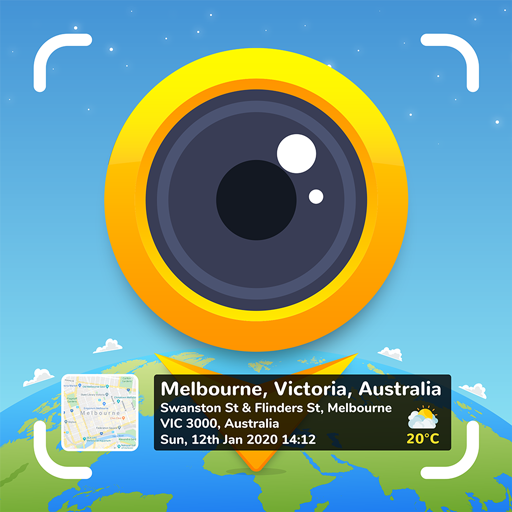
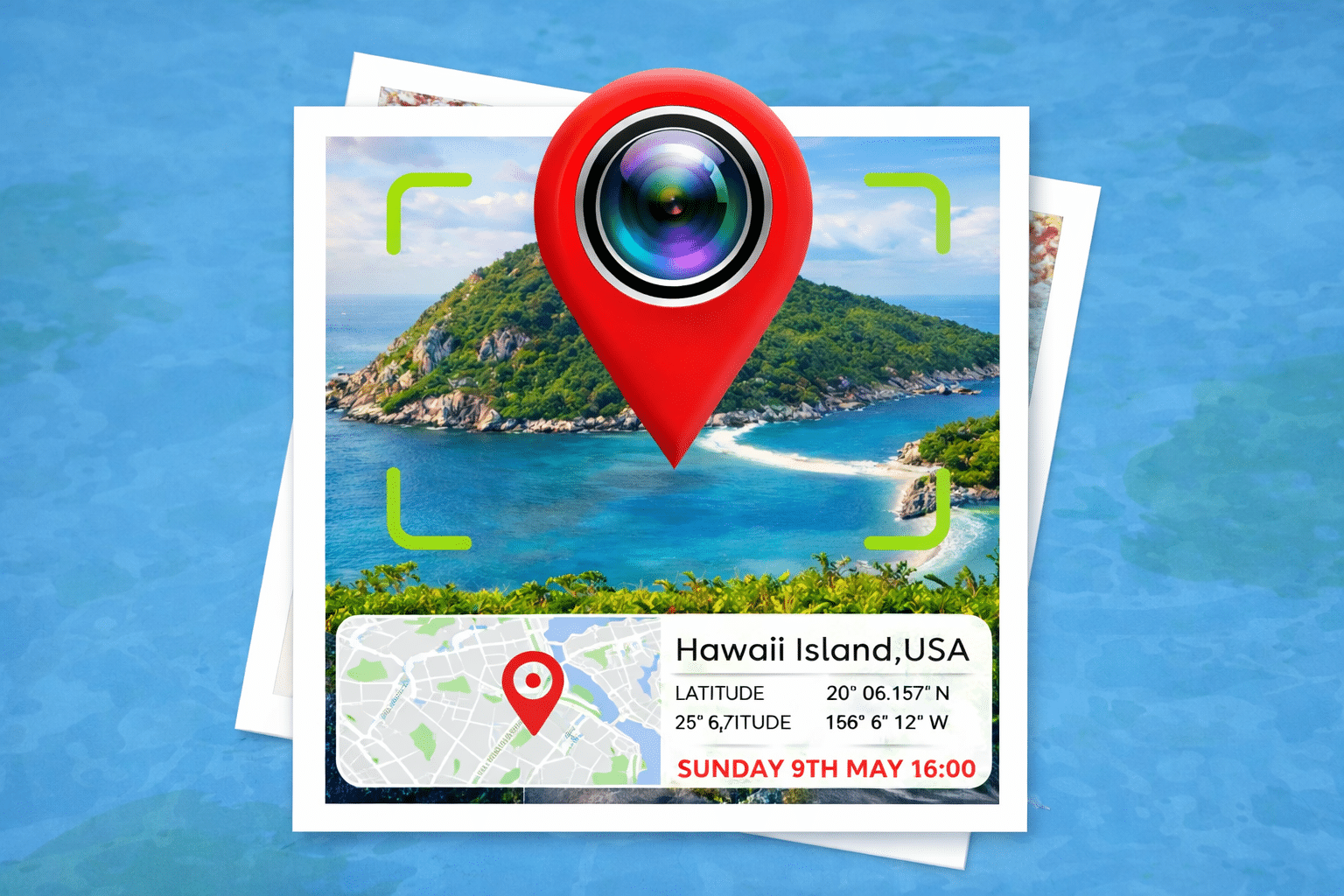
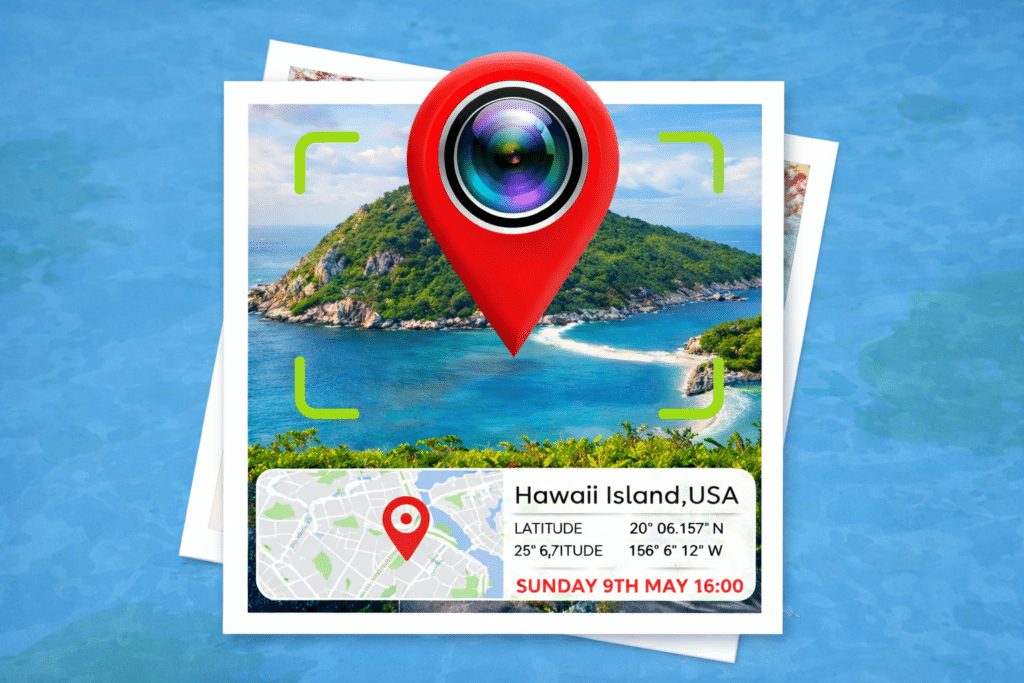
The primary advantage of GPS Map Camera technology lies in its ability to embed exact geographic coordinates directly into your photographs. This geotagging feature automatically captures latitude, longitude, altitude, and address information the moment you press the shutter button.
Unlike simple photo apps that may store location data in metadata only, GPS Map Camera applications visually overlay this information onto your images. This means the location details remain permanently visible and accessible, even if the photo is shared, printed, or transferred across different platforms.
For professionals working in construction, real estate, insurance, or environmental surveying, this feature eliminates disputes about where specific photos were taken. The embedded coordinates provide irrefutable evidence that can be verified through third-party mapping services.
🕐 Comprehensive Timestamp Integration
Beyond location, GPS Map Camera apps incorporate detailed time and date stamps that create a complete chronological record of your photography. These timestamps include not just the date, but precise time down to the second, ensuring accurate documentation of when events occurred.
This temporal precision proves invaluable in numerous scenarios. Legal professionals use timestamped photos as evidence in court proceedings. Project managers track construction progress across weeks or months. Insurance adjusters document accident scenes with verifiable time records.
The combination of location and time data creates what professionals call “spatiotemporal documentation” – proof not just of what and where, but exactly when something occurred or existed in a particular state.
🗺️ Interactive Map Display Features
Modern GPS Map Camera applications don’t just capture location data – they present it through integrated map interfaces that provide immediate geographic context. Many apps display a miniature map directly on the photo, showing exactly where the image was captured within the broader landscape.
This visual map representation helps viewers understand the geographic relationship between different photos in a collection. When reviewing hundreds of images from a large project or extended trip, the embedded maps provide instant orientation without requiring separate mapping software.
Some advanced applications even offer multiple map views, including satellite imagery, terrain maps, and street-level views, allowing users to select the most relevant cartographic representation for their specific needs.
🏗️ Professional Applications Across Industries
The versatility of GPS Map Camera technology extends across virtually every professional sector that requires visual documentation with location verification.
Construction and Engineering Projects
Construction managers use these apps to document progress at multiple sites simultaneously. Each photo automatically records which property or location it represents, eliminating confusion when managing complex projects. The timestamp function creates an unalterable record of construction phases, which proves essential for billing, compliance, and dispute resolution.
Real Estate and Property Management
Real estate professionals benefit enormously from geotagged photography when managing multiple properties. Photos of maintenance issues, property conditions, or listing features automatically identify which building or unit they represent. This organization saves countless hours otherwise spent sorting and labeling images manually.
Insurance and Claims Adjustment
Insurance adjusters rely on GPS Map Camera apps to document accident scenes, property damage, and claim investigations. The embedded location and time data provide verifiable evidence that photos were indeed taken at the reported location during the timeframe in question, reducing fraudulent claims and streamlining legitimate ones.
Environmental and Scientific Research
Field researchers use geotagged photography to document wildlife sightings, ecological changes, geological formations, and environmental conditions. The precise coordinates allow other researchers to locate exact observation points, while timestamps enable longitudinal studies tracking changes over time.
🚗 Enhanced Travel Documentation and Memories
For travelers and adventurers, GPS Map Camera apps transform ordinary vacation photos into comprehensive travel journals. Each image automatically records not just what you saw, but exactly where your journey took you.
When you return home and review hundreds of photos, the embedded location data helps you remember the name of that charming café, the exact beach where you watched the sunset, or the hiking trail that offered spectacular views. This geographic memory aid becomes increasingly valuable as time passes and details fade.
Many travelers use their geotagged photo collections to create detailed travel guides for friends planning similar trips. The location information allows others to follow your exact route and discover the same hidden gems you encountered.
📱 User-Friendly Interface and Customization Options
Despite their sophisticated functionality, modern GPS Map Camera applications prioritize ease of use. Most apps feature intuitive interfaces that require minimal learning curve, allowing users to start capturing geotagged photos immediately after installation.
Customization options let users control exactly what information appears on their photos. You can typically adjust text size, positioning, color schemes, and which specific data elements display – selecting from coordinates, addresses, altitude, compass direction, speed, and more.
This flexibility ensures the app adapts to your specific needs rather than forcing you into a one-size-fits-all approach. Professional users might display technical coordinates and precision data, while casual users might prefer simple address information and timestamps.
🔒 Security and Verification Benefits
In our increasingly digital world, photo authenticity has become a significant concern. GPS Map Camera apps provide an additional layer of verification that helps establish photo authenticity and prevents disputes about image origins.
For businesses, timestamped and geotagged photos create accountability for field personnel. Supervisors can verify that inspections, deliveries, or maintenance work occurred at the correct locations and times. This transparency benefits both employers and employees by removing ambiguity from field operations.
Security personnel use these apps to document patrol routes, facility inspections, and incident reports with verifiable location and time data that stands up to scrutiny in legal or administrative proceedings.
💼 Streamlined Workflow and Productivity Gains
The organizational benefits of GPS Map Camera technology translate directly into productivity improvements. Photos that automatically label themselves by location eliminate hours of manual sorting and cataloging.
Project teams working across multiple sites can instantly identify which location each photo represents without lengthy file naming conventions or folder structures. This automatic organization accelerates report preparation, client communications, and internal documentation processes.
Many professionals report that GPS Map Camera apps reduce their photo management time by 50-70%, freeing them to focus on analysis and decision-making rather than administrative tasks.
🌐 Sharing and Collaboration Advantages
When you share geotagged photos with colleagues, clients, or collaborators, the embedded location information travels with the image. Recipients immediately understand the geographic context without requiring separate explanations or reference documents.
This self-documenting nature of geotagged photos makes them ideal for remote teams collaborating across different locations. Field personnel can capture and share images that office staff can immediately place in proper context, facilitating faster decision-making and reducing communication bottlenecks.
The standardized format of GPS data also enables integration with other professional software systems, allowing geotagged photos to populate databases, GIS systems, and project management platforms automatically.
📊 Data Collection and Analysis Capabilities
Beyond individual photo documentation, GPS Map Camera apps create valuable datasets when used consistently over time. The accumulated location and time data from photo collections can reveal patterns, track movements, and document changes that might otherwise go unnoticed.
Businesses analyze geotagged photo data to optimize routes, verify service coverage, and ensure comprehensive site documentation. Researchers use spatial and temporal patterns in photo collections to study ecological changes, urban development, or social phenomena.
This transformation of photos from simple images into structured data points represents a fundamental shift in how visual documentation contributes to broader knowledge and understanding.
🎯 Accuracy and Reliability Features
Modern GPS Map Camera applications employ sophisticated positioning technology that leverages multiple location services simultaneously. By combining GPS, cellular triangulation, Wi-Fi positioning, and sensor data, these apps achieve remarkable accuracy even in challenging environments.
Most quality apps display accuracy indicators showing the precision of location data for each photo. This transparency allows users to assess reliability and understand when environmental factors might affect positioning quality.
For applications requiring maximum precision, some apps offer extended positioning modes that average location data over several seconds before capturing the image, resulting in accuracy within just a few meters even in urban canyons or partially obstructed environments.
💡 Creative and Personal Applications
While professional applications dominate discussions of GPS Map Camera benefits, creative and personal uses shouldn’t be overlooked. Photographers use location data to discover new shooting locations by mapping where their best images originated, identifying geographic patterns in their most successful work.
Families create living maps of their lives, with geotagged photos documenting children’s growth across different homes, schools, and vacation destinations. These visual-spatial records become treasured family histories that future generations can explore geographically as well as chronologically.
Fitness enthusiasts and outdoor adventurers document their activities with geotagged photos that prove their accomplishments and help them remember exact routes, peak locations, or promising areas for future exploration.
🔋 Battery Optimization and Technical Efficiency
Early concerns about GPS-enabled apps draining battery life have largely been resolved through intelligent power management. Modern GPS Map Camera applications use sophisticated algorithms that activate location services only when needed, minimizing battery impact while maintaining functionality.
Many apps offer power-saving modes that reduce positioning frequency or accuracy slightly to extend battery life during extended field sessions. Users can balance their need for precision against battery conservation based on specific circumstances.
The technical efficiency of these applications means you can document entire workdays or travel adventures without significant battery concerns, making them practical for real-world use rather than just occasional applications.
🌟 Future-Proofing Your Documentation
As technology evolves, the value of geotagged photos continues to increase. Photos captured today with embedded location and time data become more valuable over time as landscapes change, buildings are constructed or demolished, and natural environments transform.
Historical researchers increasingly rely on geotagged photo archives to understand how places appeared at specific moments in time. Your geotagged photos contribute to this growing digital record of our world, creating documentation that may prove valuable to future researchers, planners, or historians.
The standardized nature of GPS data ensures that photos captured today will remain interpretable and useful decades into the future, regardless of changes in software platforms or photography technology.
✨ Selecting the Right GPS Map Camera App
With numerous GPS Map Camera applications available, choosing the right one depends on your specific needs and use cases. Consider factors like customization options, map display styles, data export capabilities, and professional features when evaluating different apps.
The best applications balance powerful functionality with intuitive interfaces, offering advanced features without overwhelming casual users. Look for apps with active development and regular updates, ensuring compatibility with new devices and operating system versions.
User reviews and professional recommendations provide valuable insights into real-world performance, reliability, and customer support quality – factors that become crucial when you depend on an app for important documentation.
🎓 Maximizing Value Through Consistent Use
The true benefits of GPS Map Camera technology emerge through consistent application rather than occasional use. Developing the habit of using your geotagging app for all relevant documentation creates comprehensive records that grow increasingly valuable over time.
Organizations that implement GPS Map Camera apps as standard tools across their teams experience the greatest benefits, as the accumulated geotagged photo library becomes an invaluable organizational asset documenting projects, properties, and operations comprehensively.
Whether for professional documentation, personal memory preservation, or creative exploration, GPS Map Camera apps represent one of the most practical and valuable applications of smartphone technology available today. Their combination of photography, location intelligence, and time documentation creates a powerful tool that enhances how we capture, organize, and understand our visual world. The investment in learning and consistently using these applications pays dividends through improved organization, enhanced accountability, and preserved memories that maintain their context and value far into the future.
