
Anúncios
Across continents and centuries, the ritual of brewing tea has woven itself into the fabric of human connection, health, and cultural identity.
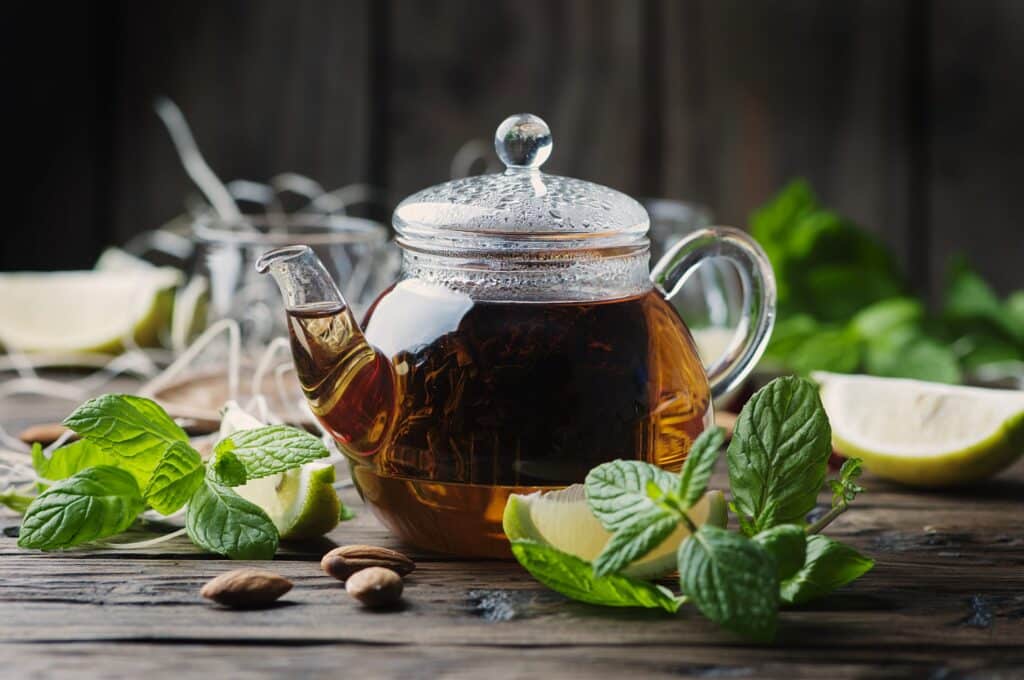


The gentle steam rising from a ceramic cup carries more than warmth—it holds stories of ancient healers, mountain monasteries, bustling marketplaces, and quiet moments of introspection. Natural teas have transcended their humble botanical origins to become vessels of tradition, medicine, and artistry. In every sip, we taste the earth that nurtured the leaves, the hands that harvested them, and the wisdom passed down through generations.
Anúncios
Today, as the world rediscovers the profound connection between nature and wellness, tea stands at a fascinating crossroads. Modern science validates what traditional cultures have known for millennia: these botanical infusions possess remarkable properties that support physical health, mental clarity, and emotional balance. Yet tea remains far more than a functional beverage—it is a sensory experience, a meditation practice, a social glue, and a cultural ambassador.
The Ancient Roots of Tea Wisdom 🍃
The origin story of tea reads like mythology. Legend places the discovery in China around 2737 BCE, when leaves from a wild tree fell into Emperor Shen Nung’s boiling water. Whether historical fact or poetic invention, this narrative reveals something essential: humanity’s relationship with tea began not as commerce but as serendipity—a gift from nature that demanded attention.
Anúncios
In traditional Chinese medicine, tea was never merely a pleasant drink. Practitioners categorized different varieties according to their energetic properties—cooling or warming, ascending or descending, affecting specific meridians and organs. Green tea cleared heat and sharpened the mind. Dark pu-erh aided digestion and grounded the spirit. White tea, minimally processed, preserved the plant’s most delicate healing essence.
Meanwhile, across the Himalayas, Tibetan cultures developed butter tea—a robust, salty concoction that provided essential calories and warmth in harsh mountain climates. In India, the tradition of chai emerged, blending black tea with warming spices like cardamom, ginger, and cinnamon—a perfect marriage of Ayurvedic principles and colonial tea cultivation.

Sacred Ceremonies and Social Bonds
Japan elevated tea preparation to a spiritual art form. The Japanese tea ceremony, or chanoyu, transforms the simple act of making tea into a meditation on presence, respect, and the beauty of impermanence. Every gesture holds meaning—the way water is poured, how the bowl is turned, the silence between host and guest. This ritualization reminds us that tea drinking can be a portal to mindfulness, a deliberate pause in our accelerated lives.
In Morocco, mint tea service represents hospitality itself. The theatrical pouring from height, creating foam and aerating the brew, demonstrates skill and generosity. Refusing tea can be seen as rejecting friendship. The beverage becomes a social contract, sweetened not just with sugar but with tradition and connection.
The Botanical Pharmacy in Your Cup ☕
Modern phytochemistry has begun mapping the chemical complexity that makes natural teas so therapeutically potent. The Camellia sinensis plant alone—the source of black, green, white, oolong, and pu-erh teas—contains hundreds of bioactive compounds. Polyphenols, catechins, L-theanine, and various antioxidants work synergistically to influence human physiology in measurable ways.
Green tea has become perhaps the most studied beverage in nutritional science. Its high concentration of epigallocatechin gallate (EGCG) has been linked to improved metabolic function, cardiovascular protection, and even neuroprotective effects. Research suggests regular consumption may support healthy weight management, reduce inflammation, and provide cellular protection against oxidative stress.
But the world of herbal infusions extends far beyond Camellia sinensis. These botanical brews—technically tisanes rather than true teas—offer their own therapeutic treasures:
- Chamomile: The golden flowers contain apigenin, a compound that binds to receptors in the brain, promoting relaxation and supporting healthy sleep patterns
- Peppermint: Rich in menthol, this refreshing herb soothes digestive discomfort and may help relieve tension headaches
- Rooibos: This South African red bush is naturally caffeine-free and packed with unique antioxidants like aspalathin
- Ginger: A warming root with powerful anti-inflammatory compounds called gingerols, traditionally used for nausea and circulation
- Hibiscus: Tart and ruby-red, studies suggest it may support healthy blood pressure levels
- Tulsi (Holy Basil): Revered in Ayurveda as an adaptogen that helps the body manage stress
The Adaptogenic Renaissance
Contemporary wellness culture has embraced adaptogens—plants that help the body adapt to physical and emotional stress. Many traditional tea herbs fall into this category. Ashwagandha, rhodiola, schisandra, and reishi mushroom are now finding their way into modern tea blends, bridging ancient wisdom with current scientific understanding of the stress response.
These botanical allies don’t work like pharmaceutical drugs with immediate, dramatic effects. Instead, they offer gentle, cumulative support—a perfect match for the ritual nature of tea drinking itself. The daily practice becomes the medicine as much as the compounds within the cup.
A Global Tapestry of Tea Traditions 🌍
Every tea-drinking culture has developed its own aesthetic, etiquette, and meaning around this universal beverage. These variations reveal how a single plant can be refracted through the prism of geography, climate, history, and values to create entirely distinct experiences.
In Britain, afternoon tea emerged as a social institution during the Victorian era. The ritual of tiered cakes, delicate sandwiches, and perfectly steeped black tea became a display of refinement and leisure. Even today, the British relationship with tea speaks to comfort, routine, and a certain nostalgic civility.
Turkish tea culture centers around the distinctive tulip-shaped glasses and double-stacked kettles called çaydanlık. Tea houses serve as community hubs where men gather to play backgammon, discuss politics, and cement friendships. The strength of the brew—adjusted by the ratio of concentrated tea to hot water—can be customized to individual preference.
In Argentina and Uruguay, yerba mate creates a unique communal experience. The gourd and metal straw (bombilla) are passed person to person, with the cebador (server) responsible for maintaining the perfect temperature and preparation. Sharing mate signifies trust and belonging—you don’t refuse the gourd when it comes to you.
Tea as Cultural Resistance and Identity
Throughout history, tea has played unexpected political roles. The Boston Tea Party transformed the beverage into a symbol of colonial resistance. In apartheid South Africa, the commercialization of rooibos became entangled with questions of indigenous knowledge and economic justice. Today, specialty tea culture in places like Taiwan and Korea represents both preservation of tradition and innovation—a statement of cultural pride in an increasingly homogenized world.

The Sensory Architecture of Tea Experience 🎨
What makes tea so captivating isn’t merely its chemical composition but its multisensory richness. The experience begins before the first sip—with the visual beauty of dried leaves unfurling in hot water, the aromatic complexity released in steam, the warmth radiating through ceramic or glass.
Tea tasting, like wine appreciation, has developed its own vocabulary. Professionals speak of liquor (the brewed tea itself), noting its clarity, color, and viscosity. They assess the wet leaf’s aroma—detecting notes of orchid, smoke, hay, stone fruit, or forest floor. The flavor profile might reveal astringency, umami, sweetness, or minerality. The finish—what lingers after swallowing—can be fleeting or remarkably persistent.
This attention to sensory detail transforms consumption into contemplation. When we slow down enough to truly taste our tea, we engage a form of mindfulness that has profound psychological benefits. We anchor ourselves in the present moment, creating space between stimulus and response, stress and reaction.
Brewing as Ritual: The Art of Preparation ⏰
The preparation method dramatically influences both the flavor and therapeutic properties of tea. Water temperature, steeping time, leaf-to-water ratio, and vessel material all matter. This complexity invites experimentation and cultivates appreciation—you become not just a consumer but a participant in creation.
Delicate white and green teas demand cooler water (160-180°F) and shorter steeping times to prevent bitterness. Oolong teas often benefit from multiple short infusions, with each steeping revealing different flavor dimensions. Robust black teas and fermented pu-erh can handle boiling water and longer extraction. Herbal infusions typically require full boiling and extended steeping to release their botanical compounds.
The vessels we choose also shape the experience. Clay teapots season over time, absorbing oils and developing character. Glass allows us to witness the visual poetry of leaves dancing and unfurling. Cast iron retains heat beautifully. Each material offers its own conversation with the tea.
Cold Brewing and Modern Innovations
Contemporary tea culture continues to evolve. Cold brewing—steeping tea in cool water for extended periods—produces a remarkably smooth, sweet liquor with reduced bitterness and caffeine. Nitrogen-infused teas create cascading visual effects. Tea lattes blur the boundary between coffeehouse culture and traditional tea service. Kombucha transforms tea into a fermented, probiotic beverage with its own devoted following.
These innovations don’t invalidate tradition—they expand the conversation, making tea accessible to new audiences while preserving core principles of quality and intentionality.
Sustainability and Ethical Considerations 🌱
As tea consumption grows globally, questions of sustainability and justice become increasingly urgent. Tea cultivation is labor-intensive, with many workers—predominantly women—facing difficult conditions and inadequate compensation. Climate change threatens traditional growing regions, altering rainfall patterns and temperatures that have remained stable for centuries.
Conscious consumers are seeking out fair-trade certified teas, supporting small-scale farmers, and choosing organic cultivation methods that protect soil health and biodiversity. Some companies now provide full traceability, allowing customers to know exactly which garden produced their tea and under what conditions.
The rise of native and wildcrafted herbal infusions offers another sustainable path. Rather than relying solely on monoculture plantations, these approaches celebrate regional botanical diversity—whether that’s pine needle tea from northern forests, desert sage from the American Southwest, or endemic flowers from Mediterranean hillsides.
Tea in Daily Life: Practical Integration 💫
Understanding tea’s cultural and therapeutic significance means little without practical application. How do we actually integrate these botanical allies into our contemporary lives?
The morning ritual might begin with an energizing blend—green tea with its balanced caffeine and L-theanine providing alert calm, or a spicy ginger-turmeric infusion to awaken digestion. Mid-afternoon, when energy naturally dips, a cup of oolong or white tea offers gentle stimulation without the jittery intensity of coffee.
Evening calls for relaxation and transition. Chamomile, lavender, passionflower, or valerian help signal the nervous system that the day is complete. The ritual itself—boiling water, steeping, sipping slowly—creates a boundary between productivity and rest, work and home, doing and being.
Some practitioners use tea therapeutically: peppermint for digestive upset, ginger for nausea, elderflower at the first sign of cold symptoms, nettle as a mineral-rich tonic. This home herbalism connects us to the pragmatic wisdom of our ancestors while complementing modern healthcare.
Creating Your Personal Tea Practice
Building a meaningful relationship with tea doesn’t require expensive equipment or extensive knowledge. It begins with curiosity and attention. Choose a few quality teas that appeal to you. Experiment with preparation variables. Notice how different brews affect your energy, mood, and digestion. Create small ceremonies—perhaps a weekend gongfu session or a bedtime cup shared with a loved one.
The practice grows organically from there, guided by your own responses and interests. You might explore the regional teas of a particular country, dive deep into one category like pu-erh or matcha, or focus on building an herbal apothecary for specific wellness goals.
The Science Meets Soul Intersection ✨
What makes tea so enduringly powerful is precisely this intersection of measurable benefit and intangible experience. Yes, the polyphenols in green tea demonstrate antioxidant activity in laboratory settings. Yes, the L-theanine promotes alpha brain wave activity associated with relaxed alertness. These facts matter.
But equally important is the way a perfect cup can transport you to calm when chaos surrounds you. The manner in which sharing tea creates intimacy and slows conversation. The comfort of a familiar ritual when everything else feels uncertain. The connection to place, history, and plant wisdom that a single sip can evoke.
This holistic perspective resists the reductionist tendency to view tea merely as a delivery system for beneficial compounds. The compounds are part of the story, but not the whole narrative. The vessel, the setting, the company, the intention, the attention—these elements conspire to create healing that cannot be measured in a laboratory.
Reimagining Tea for Future Generations 🔮
As we face unprecedented environmental, social, and health challenges, the wisdom embedded in global tea traditions offers valuable lessons. The emphasis on quality over quantity. The cultivation of presence and patience. The recognition that plants are allies and teachers, not merely resources to exploit. The understanding that beverages can nourish not just bodies but communities and souls.
Young people worldwide are rediscovering tea, not as their grandparents’ habit but as a conscious alternative to grab-and-go culture. Specialty tea shops create third spaces for gathering and conversation. Online communities share brewing techniques and philosophical reflections. Social media showcases the aesthetic beauty of tea preparation as a form of accessible art.
This renaissance holds promise—not just for the tea industry but for the broader project of reconnecting with natural rhythms, honoring cultural diversity, and finding balance in accelerated times. Every cup becomes a small act of resistance against disposability, distraction, and disconnection.
The steam still rises, carrying with it millennia of human ingenuity, botanical generosity, and the simple pleasure of sharing something beautiful. In our cups, we hold not just tea but possibility—the potential for healing, for presence, for community, and for a more intentional relationship with the natural world that sustains us. This is the enduring power of tea: ancient and ever-new, medicinal and celebratory, solitary and communal, simple and infinitely complex.
