
Anúncios
Managing your blood sugar doesn’t have to be overwhelming. With the right knowledge and tools, you can take control of your glucose levels comfortably and confidently.


Living with diabetes or prediabetes can feel like a constant balancing act, but I want you to know that you’re not alone in this journey. Over my years of working with patients and writing about health, I’ve witnessed countless individuals transform their relationship with glucose management from something stressful into an empowering daily routine. Today’s technology and understanding have made it easier than ever to monitor and maintain healthy blood sugar levels right from your smartphone.
Anúncios
Whether you’ve recently received a diagnosis, you’re helping a loved one, or you’re simply being proactive about your health, this guide will walk you through practical, achievable steps to manage your glucose effectively. Let’s explore how you can harness modern solutions while building sustainable habits that fit naturally into your lifestyle.
📱 Understanding Blood Glucose: The Foundation of Control
Before we dive into management strategies, it’s important to understand what we’re actually managing. Blood glucose, or blood sugar, is the main sugar found in your blood and your body’s primary source of energy. When we eat, our bodies break down food into glucose, which then enters our bloodstream.
Anúncios
For people with diabetes, this process doesn’t work as smoothly as it should. Either the body doesn’t produce enough insulin (the hormone that helps glucose enter cells), or the cells don’t respond properly to insulin. This results in elevated blood sugar levels, which over time can lead to serious health complications.
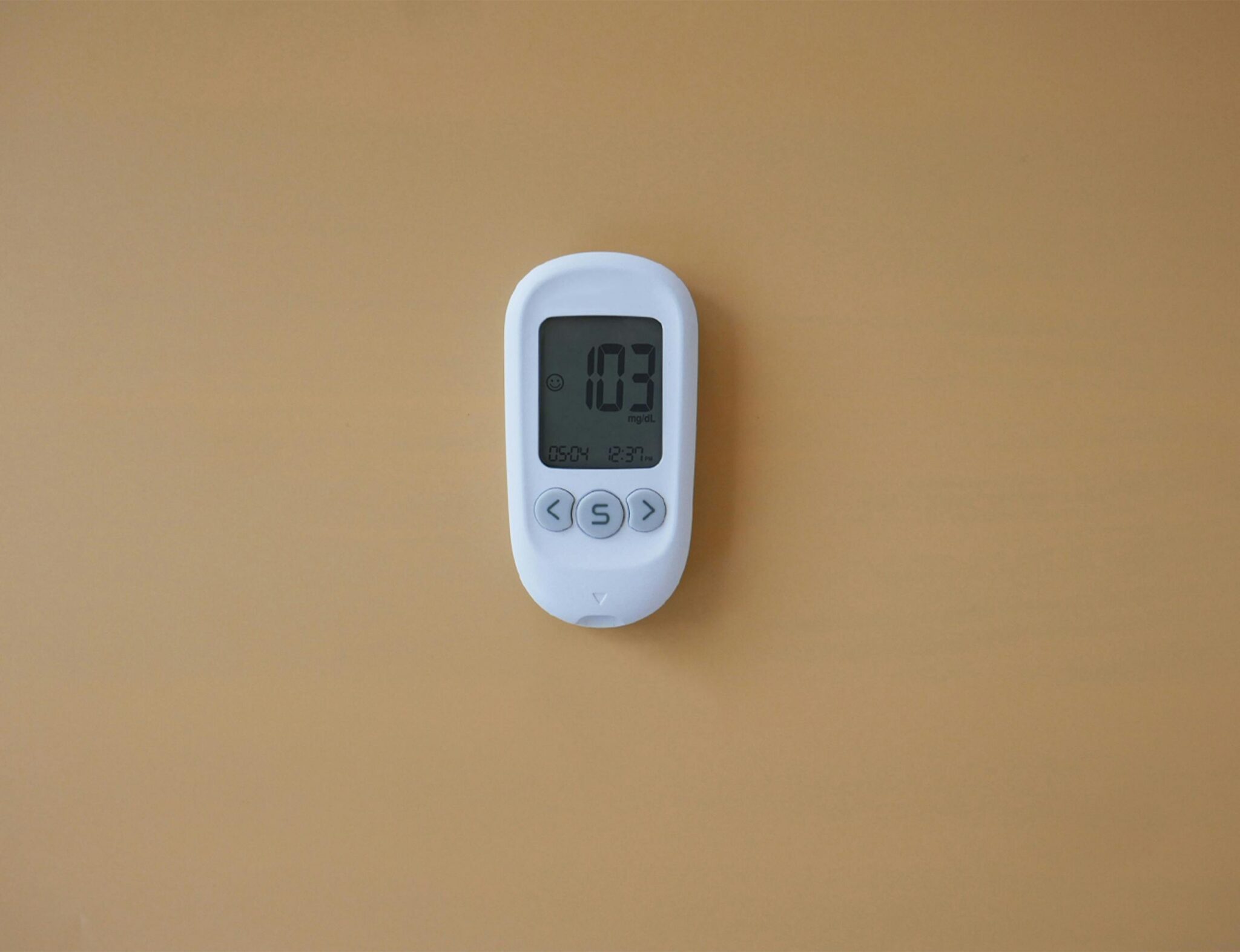
The good news? With consistent monitoring and lifestyle adjustments, most people can maintain their glucose within healthy ranges. Normal fasting blood glucose levels typically fall between 70-99 mg/dL, while levels after eating should remain below 140 mg/dL for non-diabetics. Your healthcare provider will help establish your personal target ranges based on your individual circumstances.
💪 The Power of Modern Glucose Monitoring Apps
Gone are the days when managing diabetes meant carrying around bulky logbooks and struggling to identify patterns in handwritten numbers. Today’s glucose monitoring applications have revolutionized diabetes care, putting sophisticated tracking and analysis tools literally in the palm of your hand.
These digital companions do so much more than simply record numbers. They help you visualize trends, identify triggers, receive medication reminders, and even share data with your healthcare team seamlessly. Many apps also connect directly with continuous glucose monitors (CGMs) and smart meters, automatically logging your readings without manual entry.
One particularly comprehensive option that many of my patients have found helpful is the MySugr app, which transforms glucose tracking into a more engaging experience. It allows you to log not just your blood sugar readings, but also your meals, medications, activity levels, and how you’re feeling emotionally.
Another excellent choice is the Glucose Buddy app, which offers intuitive tracking features and generates detailed reports that you can share directly with your doctor. These reports can be invaluable during medical appointments, helping your healthcare provider make informed decisions about your treatment plan.
🍽️ Nutrition: Your Most Powerful Tool
If I could emphasize one thing from my years of experience, it’s this: what you eat has the most immediate and significant impact on your blood glucose levels. But please don’t interpret this as a call for deprivation or endless restrictions. Healthy eating for glucose control is about making informed choices, not eliminating joy from your meals.
Understanding Carbohydrates and Glycemic Index
Carbohydrates have the most direct effect on blood sugar levels because they break down into glucose during digestion. However, not all carbs affect your body the same way. The glycemic index (GI) measures how quickly foods raise blood sugar levels.
Low GI foods (55 or less) cause a gradual rise in blood sugar and include most fruits, non-starchy vegetables, legumes, and whole grains. High GI foods (70 or above) cause rapid spikes and include white bread, white rice, sugary snacks, and most processed foods.
Building Balanced Plates
Here’s a simple strategy I share with everyone: visualize your plate divided into sections. Half should be filled with non-starchy vegetables like leafy greens, broccoli, peppers, or cauliflower. One quarter should contain lean protein such as chicken, fish, tofu, or legumes. The remaining quarter is for complex carbohydrates like quinoa, brown rice, or sweet potatoes.
This balanced approach ensures you’re getting essential nutrients while naturally moderating your carbohydrate intake. It also helps you feel satisfied and energized throughout the day, reducing the temptation to reach for quick-fix snacks that might spike your glucose.
🏃♀️ Movement Matters: Exercise as Medicine
Physical activity is like a natural insulin booster for your body. When you move, your muscles use glucose for energy, which helps lower blood sugar levels. Even better, regular exercise increases your insulin sensitivity, meaning your cells can use available insulin more effectively.
You don’t need to become a marathon runner or spend hours at the gym. What matters most is consistency and finding activities you genuinely enjoy. A brisk 30-minute walk after dinner can significantly impact your post-meal glucose levels. Dancing in your living room, gardening, swimming, or playing with your children or pets all count as valuable movement.
For those new to exercise, start gently and build gradually. Even ten minutes of activity three times daily can make a meaningful difference. Always check your blood sugar before and after exercise, especially if you take insulin or certain diabetes medications, as physical activity can sometimes lower glucose too much.
😴 The Sleep Connection You Can’t Ignore
Sleep might seem unrelated to blood sugar management, but research has shown a powerful connection between sleep quality and glucose control. When you don’t get enough quality sleep, your body releases stress hormones like cortisol, which can raise blood sugar levels and decrease insulin sensitivity.
Chronic sleep deprivation also affects the hormones that regulate appetite, making you more likely to crave sugary, high-carbohydrate foods. Aim for seven to nine hours of quality sleep each night. Establish a calming bedtime routine, keep your bedroom cool and dark, and try to maintain consistent sleep and wake times even on weekends.
💧 Hydration: The Often Overlooked Factor
Water plays a crucial role in glucose management that many people underestimate. When you’re properly hydrated, your kidneys can more effectively flush out excess glucose through urine. Dehydration, on the other hand, concentrates the sugar in your bloodstream, leading to higher readings.
Aim for at least eight glasses of water daily, more if you’re active or live in a hot climate. If plain water feels boring, try infusing it with fresh fruit slices, cucumber, or herbs like mint. Unsweetened herbal teas also count toward your hydration goals. However, avoid sugary drinks, fruit juices, and even artificial sweeteners if they trigger cravings or affect your glucose levels.
🧘♀️ Stress Management: The Hidden Blood Sugar Disruptor
Stress affects blood sugar in direct and powerful ways. When you’re stressed, your body releases hormones like adrenaline and cortisol that trigger your liver to release stored glucose for quick energy—the classic “fight or flight” response. For people with diabetes, this can mean unexpectedly high blood sugar readings even when you haven’t eaten anything.
Incorporating stress-reduction techniques into your daily routine isn’t just good for your mental health; it’s essential for glucose control. Deep breathing exercises, meditation, yoga, journaling, or spending time in nature can all help lower stress hormones and stabilize blood sugar.
Even five minutes of focused breathing can make a difference. Try this simple technique: breathe in slowly for four counts, hold for four counts, exhale for four counts, and hold again for four counts. Repeat this cycle five times whenever you feel stressed or notice tension building.
📊 Creating Your Personalized Tracking System
Effective glucose management requires understanding your unique patterns and triggers. This is where consistent tracking becomes invaluable. Beyond just recording numbers, try to note additional factors that might influence your readings:
- What and when you ate, including portion sizes
- Physical activity and exercise intensity
- Stress levels and emotional state
- Sleep quality and duration
- Illness or changes in routine
- Menstrual cycle (for women, as hormones affect glucose)
- Medication timing and dosages
Over time, you’ll begin to recognize patterns. Perhaps your glucose spikes when you eat rice but remains stable with quinoa. Maybe you notice higher morning readings after nights of poor sleep. These insights empower you to make informed adjustments to your routine.
🤝 Building Your Support Network
Managing glucose levels is easier when you don’t face it alone. Share your goals and challenges with family members, friends, or join support groups where you can connect with others navigating similar experiences. Online communities can be especially valuable, offering advice, encouragement, and the understanding that comes from shared experience.
Don’t hesitate to lean on your healthcare team either. Your doctor, diabetes educator, and dietitian are valuable resources who can help you troubleshoot challenges and adjust your management plan as needed. Regular check-ins ensure you’re on track and allow for timely interventions if something isn’t working.
⚡ Quick Action Steps for Better Glucose Control
Let me leave you with practical steps you can implement immediately to improve your glucose management:
- Download a reliable glucose tracking app and commit to logging consistently for at least two weeks
- Schedule regular meal times to help stabilize blood sugar throughout the day
- Add a 10-minute walk after your largest meal
- Prepare healthy snacks in advance to avoid impulsive high-sugar choices
- Set phone reminders for medication, testing, and hydration
- Create a bedtime routine that prioritizes quality sleep
- Identify and practice one stress-reduction technique daily
- Schedule your next healthcare appointment if it’s been more than three months
🌟 Your Journey to Empowered Glucose Management
Taking control of your glucose levels is a journey, not a destination. There will be days when everything goes according to plan and others when unexpected challenges arise. That’s completely normal and okay. What matters is your commitment to showing up for yourself consistently, learning from setbacks, and celebrating your progress along the way.
Remember that small, sustainable changes often yield more lasting results than dramatic overhauls. You don’t need to transform your entire life overnight. Start with one or two adjustments that feel manageable, build confidence as those become habits, and then gradually incorporate additional strategies.
Technology has truly placed powerful glucose management tools in the palm of your hand, but the real power lies within you—in your daily choices, your resilience, and your commitment to your health. You’re capable of managing this condition effectively while still living a full, joyful life.
Be patient with yourself as you navigate this process. Extend yourself the same compassion and understanding you’d offer a dear friend facing similar challenges. Your health journey is uniquely yours, and there’s no single “perfect” way to manage glucose levels. What works beautifully for someone else might not suit your lifestyle, preferences, or body—and that’s perfectly fine.
As you move forward with these tools and strategies, know that every blood sugar check, every healthy meal choice, every walk around the block, and every good night’s sleep is an investment in your long-term health and wellbeing. You’re building a foundation for not just managing diabetes, but thriving despite it.
Your commitment to learning about glucose management and taking proactive steps shows incredible strength and self-care. Keep moving forward, stay curious about what works for your unique body, and never hesitate to reach out for support when you need it. You’ve got this, and you don’t have to do it alone. 💙
